
Peak Health Maintenance

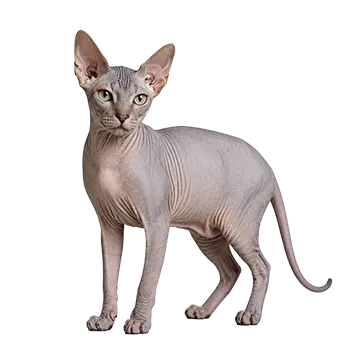
The adult Donskoy, typically reaching full physical maturity between one and a half to two years of age, enters a period of relative stability that can last well into their tenth year or beyond with proper care. During these prime years, the foundation you build through consistent health maintenance will determine the quality and length of your cat's life. A healthy adult Donskoy is muscular, alert, and radiates the warmth and vitality this breed is known for.

Annual veterinary wellness examinations are the cornerstone of preventive care for adult Donskoy cats. These visits should include a thorough physical examination, dental assessment, body condition scoring, and baseline blood work. Because hairless breeds can be prone to certain skin conditions and may have a genetic predisposition to hypertrophic cardiomyopathy, your veterinarian may recommend additional screening tests specific to the breed.

Skin care is a daily consideration for Donskoy owners. Without fur to absorb natural oils, the skin produces a brownish, waxy residue that accumulates on the body, particularly in skin folds, around the nail beds, and in the ears. Regular bathing, typically once every one to two weeks, using a gentle, fragrance-free cat shampoo keeps the skin clean and healthy. Between baths, wiping the skin with a damp cloth or pet-safe wipe helps manage oil buildup.

Maintaining a stable indoor environment protects the Donskoy from the temperature extremes and sun exposure that their lack of fur makes dangerous. Keep the home at a comfortable temperature year-round, provide warm sleeping spots, and consider cat clothing during colder months. Sun exposure through windows should be monitored, and pet-safe sunscreen may be recommended by your veterinarian for cats that enjoy sunbathing near windows.

Nutrition at Maturity

Feeding an adult Donskoy requires balancing their elevated metabolic needs with the prevention of unhealthy weight gain. The breed's higher caloric requirements persist throughout adulthood because they continue to expend more energy on thermoregulation than coated breeds. However, the rapid growth phase is over, and caloric intake should be carefully calibrated to maintain an ideal body condition rather than fuel growth.

Transition from kitten food to a high-quality adult cat food at approximately one year of age, though your veterinarian may recommend slightly earlier or later depending on your cat's individual development. Choose a diet that features animal-based protein as the primary ingredient and includes adequate fat content to support skin health and energy needs. The essential fatty acids in quality cat foods contribute directly to the supple, elastic skin that characterizes a well-nourished Donskoy.

Portion control is essential because the Donskoy's visible body contours make both underweight and overweight conditions immediately apparent. You should be able to feel the ribs easily without pressing hard, and the waist should be visible when viewed from above. An overweight Donskoy will develop noticeable fat deposits along the belly and flanks, while an underweight cat will show prominent vertebrae and hip bones.

Fresh, clean water should be available at all times, and many Donskoy cats prefer running water from a fountain. Adequate hydration supports kidney function, aids digestion, and helps maintain healthy skin. Some owners supplement their Donskoy's diet with small amounts of wet food to increase overall moisture intake, which can be particularly beneficial for cats that are reluctant drinkers.

Exercise & Fitness

Adult Donskoy cats retain much of the playful energy of their youth, though it typically becomes more focused and less frenetic as they mature. Maintaining a regular exercise routine is vital for preventing obesity, supporting cardiovascular health, and providing the mental stimulation that this intelligent breed craves. A sedentary Donskoy is prone to weight gain, behavioral issues, and a decline in overall vitality.

Interactive play remains the most effective form of exercise for indoor Donskoy cats. Sessions with wand toys, feather chasers, or motorized prey-mimicking toys engage the cat's natural hunting instincts and provide a vigorous physical workout. Aim for at least two dedicated play sessions of 15 to 20 minutes each day, though many adult Donskoys happily engage in additional spontaneous play throughout the day.

Environmental enrichment complements structured play by encouraging self-directed physical activity. Cat trees with multiple levels, window perches with views of outdoor activity, and strategically placed shelving for climbing circuits all give the Donskoy opportunities to move throughout the day. Puzzle feeders that require the cat to work for portions of their daily food allotment combine physical manipulation with cognitive challenge.

Monitor your Donskoy's activity level over time, as a sudden decrease in interest in play or movement can be an early indicator of pain, illness, or emotional distress. This breed is characteristically enthusiastic about interaction, so a Donskoy that becomes withdrawn or lethargic warrants a veterinary evaluation to rule out underlying health issues.

Preventive Health Care

A comprehensive preventive health care program for the adult Donskoy encompasses vaccinations, parasite control, dental care, and breed-specific screening. Core vaccinations should be kept current according to your veterinarian's recommended schedule, which may involve annual or triennial boosters depending on the specific vaccine and your cat's risk profile. Even strictly indoor Donskoy cats should maintain their vaccination status, as exposure to infectious agents can occur through multiple vectors.

Dental disease is one of the most common health issues in adult cats of all breeds, and the Donskoy is no exception. Regular dental examinations, professional cleanings when recommended, and at-home dental care such as tooth brushing or dental treats help prevent periodontal disease, which can lead to pain, tooth loss, and systemic infections that affect the heart, liver, and kidneys.

Parasite prevention should continue year-round, even for indoor cats. Fleas, ticks, and internal parasites can enter the home through other pets, visitors, or open windows. Because the Donskoy's bare skin makes flea infestations immediately visible and particularly uncomfortable, consistent preventive treatment is both a health measure and a comfort measure. Discuss appropriate parasite prevention products with your veterinarian, as some topical treatments may irritate hairless skin.

Hypertrophic cardiomyopathy, a thickening of the heart muscle, has been documented in the breed and warrants periodic cardiac screening. Your veterinarian may recommend echocardiography at regular intervals to monitor heart health. Early detection of cardiac changes allows for management strategies that can significantly extend quality of life.

Behavioral Maturity

The adult Donskoy settles into a personality that is typically described as dog-like in its loyalty and engagement with human family members. Unlike many cat breeds that become increasingly independent with maturity, the Donskoy tends to deepen its attachment to its primary caregivers over time. This breed thrives on interaction and often develops routines centered around their owner's daily schedule, greeting them at the door, following them through the house, and seeking out shared relaxation time.

While the frenetic energy of adolescence mellows, the adult Donskoy remains a curious and engaged companion. They are often fascinated by household activities and may attempt to participate in cooking, laundry, or work at a computer. This involvement is endearing but can occasionally lead to mischief, so providing appropriate alternatives and safe supervision around potentially dangerous activities like cooking remains important.

Separation anxiety can be a concern in this breed, particularly for Donskoys that are the sole pet in the household. Signs include excessive vocalization when the owner prepares to leave, destructive behavior during absences, and overly intense greeting rituals upon return. If your schedule requires regular extended absences, consider adopting a second companion animal, providing interactive toys that engage the cat during alone time, or consulting with a feline behaviorist about strategies to build independence.

The adult Donskoy's social nature extends beyond the family unit, and many individuals remain welcoming toward visitors and new acquaintances throughout their lives. This temperament makes them excellent therapy animals and beloved family pets, though it also means they can be slow to recognize potentially dangerous situations. Indoor living is strongly recommended to protect these trusting, sociable cats from the hazards of the outdoor world.

Skin Care & Grooming

Grooming a Donskoy is a fundamentally different experience from grooming a coated cat, but it is no less important. The absence of fur does not mean an absence of grooming needs. In fact, the Donskoy's exposed skin requires a more hands-on care routine than most furred breeds demand. Understanding the unique dermatological needs of your hairless cat ensures their skin remains healthy, comfortable, and free from the infections that can develop when natural oils and debris accumulate.

Regular bathing is the cornerstone of Donskoy skin care. Most adult Donskoys benefit from a bath every one to two weeks using a mild, moisturizing cat shampoo. Water temperature should be comfortably warm, and the bathing process should be kept calm and efficient. Many Donskoy cats enjoy warm water and become quite cooperative during bath time, especially if they have been acclimated to the process since kittenhood. After bathing, dry the cat thoroughly with a soft towel, paying special attention to skin folds where moisture can become trapped and promote bacterial or fungal growth.

Ear cleaning deserves special attention in this breed. Without ear furnishings to filter debris, the Donskoy's large, open ears accumulate wax and dirt more readily than those of furred cats. Clean the ears weekly using a veterinarian-recommended ear cleaning solution and a soft cotton pad. Never insert cotton swabs into the ear canal, as this can cause injury. Dark or foul-smelling discharge, excessive scratching, or head shaking may indicate an ear infection requiring veterinary treatment.

Nail care is another area where the Donskoy's hairlessness creates unique considerations. Oils and waxy residue tend to accumulate in the nail beds and between the toes, creating a brownish buildup that can become uncomfortable if neglected. During each bathing session, gently clean around and between the toes and trim the nails to a comfortable length. Establishing this routine early in the cat's life makes the process smooth and stress-free for both cat and owner.

Always consult a qualified professional before making any health-related decisions. This content is provided for informational reference only and should not replace professional guidance specific to your animal.