
Breeding Readiness

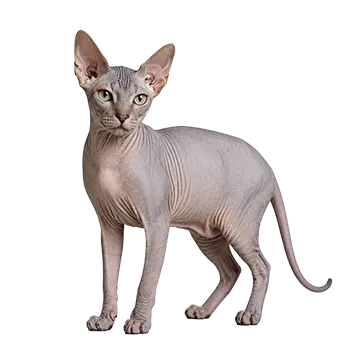
Breeding a Donskoy cat is a serious undertaking that requires thorough preparation, extensive knowledge of the breed, and a commitment to the health and welfare of both parent cats and their offspring. Before considering breeding, the prospective breeder should have a deep understanding of Donskoy genetics, particularly the dominant hairless gene that distinguishes this breed from other hairless cats. The Donskoy's hairlessness is caused by a dominant gene mutation, meaning that even one copy produces the hairless phenotype, which has significant implications for breeding decisions.

Both the queen and the stud should undergo comprehensive health screening before being approved for breeding. At minimum, this includes testing for feline leukemia virus, feline immunodeficiency virus, and blood typing. Cardiac screening through echocardiography is recommended to rule out hypertrophic cardiomyopathy, which has been documented in the breed. A thorough veterinary examination confirms that both cats are in excellent overall health and physical condition for the demands of breeding.

Age is an important factor in breeding readiness. While Donskoy females may reach sexual maturity as early as five to six months of age, responsible breeders wait until the queen is at least one and a half to two years old before allowing her first breeding. This ensures that she has reached full physical maturity and that her skeletal and muscular development can support a healthy pregnancy. Stud cats should similarly be fully mature and have passed all required health screenings.

Mentorship from an experienced Donskoy breeder is invaluable for anyone entering the breeding community. The breed has a relatively small gene pool compared to more established breeds, and navigating pedigree research, genetic diversity considerations, and breed-standard coat variety pairings requires guidance that cannot be fully obtained from written resources alone. Joining a breed club or registry dedicated to the Donskoy provides access to mentors, educational resources, and a community of breeders committed to the breed's long-term health.

The Estrus Cycle

The Donskoy female's reproductive cycle follows the typical feline pattern of induced ovulation, meaning that ovulation is triggered by the act of mating rather than occurring spontaneously. Queens are seasonally polyestrous, with heat cycles recurring every two to three weeks during the breeding season, which in indoor cats exposed to artificial lighting may extend throughout the year. Understanding the stages of the estrus cycle is essential for timing breedings effectively.

The proestrus phase lasts one to two days and is marked by subtle behavioral changes. The queen may become more affectionate than usual, rub against furniture and people with increased frequency, and begin vocalizing more. She is not yet receptive to mating during this phase but is attracting the attention of intact males. The transition to full estrus, or standing heat, is often dramatic in the Donskoy breed, with loud, persistent calling, rolling on the floor, and assuming the lordosis posture when touched near the base of the tail.

Full estrus typically lasts four to seven days, during which the queen is receptive to mating. Multiple matings over the course of two to three days increase the likelihood of successful ovulation and conception. If the queen is not mated, she will cycle out of heat and return to estrus again within approximately two to three weeks. Repeated cycling without breeding can be stressful for the queen and may contribute to reproductive health issues over time.

Tracking the queen's cycles in a detailed log helps predict optimal breeding windows and provides important information for veterinary consultations. Record the dates and intensity of each heat cycle, noting behavioral signs and duration. This data becomes particularly valuable when working with your veterinarian to assess reproductive health or when planning the timing of future breedings.

Pregnancy & Gestation

The gestation period for Donskoy cats is approximately 63 to 67 days, consistent with other domestic cat breeds. Confirmation of pregnancy can be obtained through veterinary palpation at approximately three to four weeks post-mating or through ultrasound, which can also provide an estimate of litter size. Radiography is most useful after day 45, when fetal skeletons have mineralized enough to be visible, allowing for an accurate count of expected kittens.

Nutritional demands increase significantly during pregnancy, particularly during the final third of gestation when fetal growth accelerates. Transition the pregnant queen to a high-quality kitten food, which provides the elevated calories, protein, and calcium needed to support fetal development and prepare for lactation. Feed smaller, more frequent meals as the growing uterus compresses the stomach, making large meals uncomfortable. Fresh water should be available at all times.

The pregnant Donskoy's skin may undergo noticeable changes during gestation. Hormonal fluctuations can affect oil production, skin elasticity, and the appearance of pigmentation. Some queens develop a slight fuzz of hair during pregnancy that sheds after the kittens are weaned. These changes are normal and temporary. Continue the regular bathing and skin care routine, being gentle around the expanding abdomen.

As the due date approaches, prepare a quiet, warm, enclosed nesting area where the queen can give birth in peace. A large box or enclosed bed lined with soft, washable bedding works well. Place the nesting box in a draft-free area away from household traffic and other animals. Introduce the queen to the nesting area at least a week before the expected delivery date so she can become comfortable with it. Gather supplies including clean towels, a digital scale, dental floss for tying umbilical cords if needed, and your veterinarian's emergency contact number.

Queening & Delivery

Most Donskoy queens deliver their kittens without complications, but the breeder should be prepared to assist if necessary and should know when veterinary intervention is required. Signs of imminent labor include restlessness, nesting behavior, loss of appetite, and a drop in body temperature below 99 degrees Fahrenheit. Active labor begins with visible contractions and typically produces the first kitten within one to two hours of the onset of strong contractions.

Kittens are born enclosed in an amniotic sac, which the queen normally ruptures and cleans away. She will also sever the umbilical cord and consume the placenta, which provides hormones that stimulate milk production and maternal behavior. Count each placenta to ensure that none is retained, as a retained placenta can cause serious infection. If the queen fails to clean a kitten or sever the cord, you may need to gently break the sac, clear the kitten's airway, and tie off the cord with dental floss approximately one inch from the body.

The interval between kittens can vary from a few minutes to over an hour. If more than two hours pass between kittens with active straining, or if the queen shows signs of extreme distress, exhaustion, or heavy bleeding, contact your veterinarian immediately. Dystocia, or difficult birth, can be caused by oversized kittens, abnormal positioning, uterine inertia, or other complications that may require medical or surgical intervention.

Donskoy litters typically range from three to six kittens, though larger and smaller litters are possible. Kittens may be born with varying degrees of hair depending on the coat varieties carried in their genetics. Record the birth time, weight, sex, and initial coat appearance of each kitten. This documentation is important for registration, health records, and for tracking early development in the critical days that follow.

Postpartum Care

The first few weeks after delivery are a demanding time for the Donskoy queen, and attentive postpartum care is essential for her recovery and the health of her litter. Monitor the queen closely for signs of complications including excessive bleeding, foul-smelling vaginal discharge, fever, loss of appetite, or disinterest in her kittens. Any of these signs warrants immediate veterinary evaluation, as they can indicate infection, retained placental tissue, or other serious conditions.

Nutrition during lactation places the highest caloric demand of any life stage on the queen's body. Continue feeding high-quality kitten food in generous quantities, as a nursing queen may require two to three times her normal caloric intake to maintain body condition while producing sufficient milk for her litter. Provide food and fresh water within easy reach of the nesting area so the queen does not need to leave her kittens for extended periods.

The queen's skin care routine may need temporary modification during the postpartum period. Bathing should be minimal in the first week to avoid disrupting the scent bond between mother and kittens, but gentle wiping with a warm, damp cloth can help manage the increased oil production that often accompanies hormonal changes. As the kittens grow and the queen resumes more normal activity, the regular bathing schedule can be gradually reintroduced.

Monitor the mammary glands daily for signs of mastitis, an infection of the milk-producing tissue that causes swelling, redness, heat, and pain. Mastitis can reduce milk production and make nursing painful for the queen, potentially leading to rejection of the kittens. Early detection and veterinary treatment with appropriate antibiotics typically resolves the condition quickly. Ensure that all kittens are nursing effectively and rotating among nipples to prevent engorgement of any single gland.

Responsible Breeding Ethics

Ethical Donskoy breeding extends far beyond producing kittens with correct type and coat. It encompasses a commitment to genetic health, breed preservation, and the lifelong welfare of every kitten produced. The Donskoy's relatively small gene pool makes genetic diversity a paramount concern, and responsible breeders work collaboratively to avoid overuse of popular stud cats, minimize inbreeding coefficients, and introduce healthy outcross lines when appropriate and permitted by breed standards.

A critical aspect of Donskoy breeding ethics involves understanding the homozygous dominant hairless gene. When two copies of the dominant hairless gene are present, it can result in developmental abnormalities including dental issues and other health concerns. Responsible breeders must understand the genetic implications of their pairings and work to produce kittens that are heterozygous for the hairless gene, carrying one copy of the hairless allele and one copy of the normal coat allele. This requires careful pedigree analysis and, increasingly, genetic testing.

Every kitten produced should have a guaranteed home, and responsible breeders maintain waiting lists and carefully screen prospective owners before breeding a litter. Screening should assess the potential owner's understanding of hairless cat care, their living situation, their willingness to provide veterinary care, and their commitment to keeping the cat as an indoor pet. Pet-quality kittens should be sold on spay/neuter contracts to prevent unplanned breeding by inexperienced owners.

The responsible breeder's commitment does not end when a kitten leaves for its new home. A lifetime take-back guarantee ensures that if an owner can no longer care for a Donskoy at any point in the cat's life, the breeder will accept the cat back rather than allowing it to enter a shelter or rescue system. This safety net protects individual cats and upholds the reputation of the breed. Breeding is not a profitable enterprise when done responsibly; it is a labor of love driven by dedication to the health, beauty, and future of the Donskoy breed.

Always consult a qualified professional before making any health-related decisions. This content is provided for informational reference only and should not replace professional guidance specific to your animal.