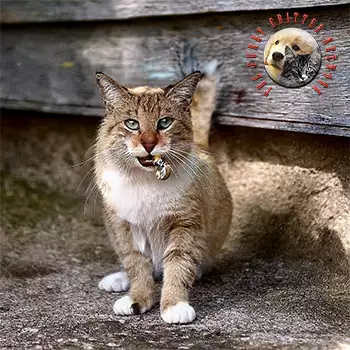

The juvenile period for a Ceylon cat spans roughly from eight weeks to twelve months of age, encompassing the most dramatic physical transformation the cat will experience outside the womb. During this window, the small, round-headed kitten develops into a compact, muscular young cat with the breed's distinctive fine-boned elegance and athletic build. Growth is most rapid between two and six months, with many Ceylons reaching approximately seventy-five percent of their adult weight by the six-month mark.
Ceylons are a small to medium breed, with adult weights typically ranging from six to eleven pounds. Males tend toward the upper end of that range, and the difference between males and females often becomes apparent during the juvenile months as males begin to develop broader cheeks and slightly heavier bone structure. The breed's body is well-proportioned, with a rounded head, medium-sized ears set wide apart, and a coat that lies close to the body and displays the characteristic ticked tabby pattern. The coat's final color and ticking clarity continue to develop throughout the first year.
Bone growth plates remain open throughout the juvenile period and do not fully close until approximately twelve to eighteen months of age. This has practical implications for activity management. While Ceylon kittens are naturally athletic and eager to climb, jump, and explore vertical spaces, repeated hard landings from excessive heights can stress developing joints. Provide appropriate climbing structures with multiple platforms at graduated heights rather than a single tall tower. Cat trees with sisal-wrapped posts serve double duty by encouraging scratching behavior on acceptable surfaces during the formative months when habits are being established.
Monitor growth by weighing your Ceylon monthly and recording the results. Consistent, steady gain is the goal. A kitten that plateaus for more than two weeks or that suddenly gains weight rapidly may need a dietary adjustment or a veterinary evaluation. Growth charts specific to the Ceylon breed are uncommon given the breed's rarity, but your veterinarian can establish a baseline trajectory from the kitten's early weigh-ins and flag deviations from its individual curve.