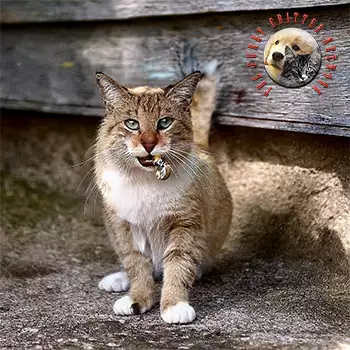

Breeding the Ceylon Responsibly

Breeding the Ceylon cat carries a level of responsibility that extends beyond the individual litter. This is a rare breed with a limited gene pool outside of Italy and Sri Lanka, and every breeding decision either strengthens or weakens the breed's genetic diversity and long-term viability. The Italian veterinarian Dr. Paolo Pellegatta brought the first Ceylons from Sri Lanka to Italy in 1984, and the breed was recognized by the World Cat Federation and the Italian feline federation FIAF. The relatively small number of registered breeding cats worldwide means that breeders carry an outsized influence on the breed's future health and type.

Responsible breeding begins with an honest assessment of the prospective breeding cat. The cat should be a good representative of the breed standard — correct type, proper coat pattern and texture, sound structure, and the characteristic Ceylon temperament. Physical beauty alone is not sufficient justification for breeding. The cat must also be free of known hereditary conditions, current on all vaccinations, tested negative for feline leukemia virus and feline immunodeficiency virus, and in excellent overall health. Temperament is heritable, and a breeding cat with a fearful, aggressive, or anxious disposition is likely to pass those traits to its offspring.

Before undertaking a breeding program, ensure that you have the knowledge, resources, and commitment to care for the queen throughout pregnancy, to manage labor and delivery safely, to raise kittens through the socialization period, and to place every kitten in a responsible, permanent home. Breeding is not a revenue-generating activity at the hobby level — the costs of health testing, veterinary care, premium nutrition, and proper socialization typically exceed what responsible breeders recover through kitten placement fees. The motivation must be the preservation and improvement of the breed, not financial return.

Connect with established Ceylon breeders and breed clubs, particularly those with ties to the Italian and European breeding communities where the breed's registry infrastructure is most developed. Mentorship from experienced breeders provides guidance on bloodline compatibility, inbreeding coefficient management, and the practical realities of raising litters that no written guide fully captures. The Ceylon breeding community is small, and collaboration between breeders is essential for maintaining the genetic diversity the breed requires.

Genetic Considerations and Health Testing

The Ceylon's genetic foundation is the free-roaming cat population of Sri Lanka, which provides a relatively broad genetic base compared to breeds developed from a handful of foundation animals. This heritage contributes to the breed's general robustness, but it does not eliminate the need for genetic vigilance, particularly as the registered breeding population outside Sri Lanka remains small and the risk of inbreeding depression is real if pedigrees are not managed carefully.

Calculate the inbreeding coefficient for every proposed mating. The inbreeding coefficient expresses the probability that both copies of any given gene in an offspring will be identical by descent — in practical terms, it measures how closely related the parents are. Breeding programs should aim for inbreeding coefficients well below ten percent, and matings that would produce coefficients above that threshold should be avoided. Pedigree analysis software and breed registry databases are essential tools for this calculation, particularly when working with a breed where most registered animals trace back to a small number of imports.

Pre-breeding health screening should include, at minimum, testing for feline leukemia virus and feline immunodeficiency virus, a comprehensive blood panel and urinalysis, cardiac evaluation by auscultation and ideally echocardiography to rule out structural heart disease, and a thorough physical examination including assessment of the reproductive tract. If DNA tests are available for conditions relevant to the breed's genetic background, they should be performed. As genetic testing panels expand, breeders should stay current with available screens and incorporate new tests as they become validated.

Maintain meticulous breeding records. Every mating, every litter, every kitten's placement, every health test result, and every health event reported by kitten buyers should be documented and retained. These records are the data that informs future breeding decisions, identifies emerging health patterns, and contributes to the collective knowledge of the breed. In a breed this rare, every data point matters.

The Reproductive Cycle

Female Ceylons typically reach sexual maturity between five and nine months of age, though most responsible breeders delay the first breeding until the queen is at least twelve to eighteen months old and has reached full physical maturity. Early breeding places stress on a body that is still growing and increases the risk of complications during pregnancy and delivery. A queen bred before she is physically mature may produce smaller litters and has a higher likelihood of requiring veterinary intervention during labor.

The feline estrous cycle is polyestrous and seasonally influenced by daylight length, though indoor cats exposed to artificial lighting may cycle year-round. A queen in estrus displays characteristic behaviors including increased vocalization — often loud, persistent calling — restlessness, rolling, lordosis posturing when the lower back is stroked, and attempts to escape outdoors. The estrus phase lasts approximately four to seven days and recurs every two to three weeks if the queen is not bred. Cats are induced ovulators, meaning ovulation is triggered by the physical stimulus of mating rather than occurring spontaneously.

Stud management requires equal attention. The breeding male should be tested for the same infectious diseases as the queen and should be in peak physical condition. Studs housed separately from household cats need adequate space, environmental enrichment, and regular human interaction to maintain their sociability. A stud that is stressed, isolated, or in poor condition will be a less effective breeder and may exhibit behavioral problems including inappropriate spraying, aggression, or refusal to mate.

The mating process itself typically involves multiple copulations over two to three days to ensure ovulation and maximize the likelihood of conception. Supervise matings to ensure the safety of both cats — the mating bite and the queen's post-coital aggression toward the male are normal feline behaviors, but they can occasionally escalate beyond safe limits, particularly with inexperienced animals. Confirm mating has occurred by observing the characteristic post-coital behavior: the queen will typically cry out, roll vigorously, and groom herself intensely after each copulation.

Pregnancy and Prenatal Care

Feline pregnancy lasts approximately 63 to 67 days from the date of successful mating. Confirmation of pregnancy can be obtained through veterinary palpation at approximately 17 to 25 days, ultrasound from day 25 onward, or radiography after day 42 when fetal skeletons have calcified sufficiently to be visible. Ultrasound is the preferred early confirmation method as it can also assess fetal viability through heartbeat detection without radiation exposure.

Nutritional demands increase throughout pregnancy, with the most significant increase occurring during the final third when fetal growth is most rapid. Transition the queen to a high-quality kitten-formula food by the third or fourth week of pregnancy. This diet provides the elevated protein, fat, and caloric density needed to support both the developing kittens and the queen's own metabolic needs. Feed measured meals initially, but many breeders switch to free-choice feeding during the last three weeks of pregnancy as the growing uterus compresses the stomach and the queen may prefer to eat smaller, more frequent meals.

Monitor the queen's weight gain throughout pregnancy. A healthy pregnant Ceylon will gain approximately 25 to 40 percent of her pre-pregnancy body weight by term. Weight gain that significantly exceeds or falls short of this range should be discussed with your veterinarian. Dramatic weight loss, lethargy, vaginal discharge (other than clear mucus in the final days), or refusal to eat at any point during pregnancy warrants immediate veterinary evaluation.

Prepare the whelping area at least two weeks before the expected delivery date. Choose a quiet, warm room away from household traffic and other pets. Provide a whelping box with sides high enough to contain the newborn kittens but low enough for the queen to enter and exit comfortably. Line the box with clean, washable bedding. Assemble a birthing kit that includes clean towels, hemostats for clamping umbilical cords if necessary, bulb syringe for clearing airways, iodine for cord stumps, a digital scale for weighing newborns, kitten milk replacer and feeding supplies in case supplemental feeding is needed, and your veterinarian's emergency contact information.

Labor, Delivery, and Immediate Postpartum

Labor in the cat progresses through three stages. Stage one involves uterine contractions that are not externally visible but produce behavioral changes in the queen — restlessness, nesting behavior, panting, vocalizing, and loss of appetite. This stage typically lasts 12 to 24 hours in a first-time queen and may be shorter in experienced mothers. The queen may seek out the whelping box or attempt to find her own nesting spot. Gently redirect her to the prepared area if she chooses an unsuitable location.

Stage two is active labor and delivery. Visible abdominal contractions begin, and the first kitten usually appears within one to two hours after the onset of active straining. Each kitten is delivered in an amniotic sac, which the queen will normally rupture and clean away. She will sever the umbilical cord and consume the placenta, which provides hormones that stimulate milk production and uterine contraction. The interval between kittens varies from fifteen minutes to over an hour, and it is not uncommon for a queen to rest for an extended period mid-delivery, particularly with larger litters.

Stage three — passage of the placentas — is interleaved with stage two, as each placenta is typically delivered shortly after its corresponding kitten. Count the placentas and match them to the number of kittens delivered. A retained placenta is a serious complication that can cause uterine infection and requires veterinary treatment. If any placenta is unaccounted for after delivery appears complete, contact your veterinarian.

Seek immediate veterinary assistance if the queen strains actively for more than an hour without producing a kitten, if more than four hours pass between kittens when you know more are expected, if the queen appears exhausted and stops contracting before all kittens are delivered, if a kitten is visibly stuck in the birth canal, or if there is excessive bleeding. Dystocia — difficult or obstructed labor — is a genuine emergency. The Ceylon's moderate size and well-proportioned build generally favor uncomplicated delivery, but complications can occur in any breed. Have your veterinarian's emergency number accessible throughout the delivery process.

Raising the Litter

The breeder's responsibility does not end at delivery — it intensifies. The first eight to twelve weeks of a kitten's life are the period during which the breeder shapes the animal's health trajectory, socialization, and behavioral foundation. A kitten raised with attentive care, appropriate veterinary intervention, early socialization, and a clean, stimulating environment starts life with advantages that persist throughout adulthood.

Monitor the queen and her litter closely during the first 48 hours. Ensure every kitten is nursing successfully and gaining weight. Weigh each kitten at birth and daily thereafter for the first two weeks, recording the data in a litter log. Healthy Ceylon newborns typically weigh between 75 and 110 grams and should gain seven to ten grams per day. Any kitten that fails to gain weight or loses weight needs immediate evaluation. Supplemental feeding with kitten milk replacer may be necessary for kittens that are not competing effectively for nursing position, particularly in larger litters.

Begin the socialization program at two weeks of age with brief, gentle handling sessions that gradually increase in duration and variety as the kittens develop. Expose kittens to household sounds, varied surfaces, gentle grooming, and interaction with multiple trusted people. The socialization window is biologically limited, and the experiences a kitten has between two and seven weeks of age disproportionately influence its adult temperament. A kitten that reaches eight weeks without having been handled by multiple people, exposed to normal household activity, and given the opportunity to interact with its littermates in a stimulating environment has been shortchanged by its breeder.

Kittens should receive their first veterinary examination within the first week, their first deworming at approximately two to three weeks, and the beginning of their core vaccination series at six to eight weeks. Maintain detailed health records for each kitten, including weight curves, deworming dates, vaccination records, and any health observations. These records transfer to the new owner at placement and form the foundation of the kitten's lifelong health file. Place kittens no earlier than twelve weeks of age, ideally with a spay or neuter contract for kittens not intended for registered breeding programs. Screen prospective homes carefully. You brought these animals into the world, and you are responsible for ensuring they go to homes that will care for them properly.

Ethical Breeding and the Breed's Future

The Ceylon's future as a recognized breed depends on the decisions made by today's breeders. With a small registered population concentrated primarily in Italy and scattered breeding programs elsewhere in Europe and beyond, every litter has an impact on the breed's genetic trajectory. Breeders carry a stewardship responsibility that extends beyond their own cattery to the breed as a whole.

Avoid popular sire syndrome — the overuse of a single successful stud that narrows the breed's genetic base within a generation. A champion male with excellent type and temperament is a valuable breeding asset, but if every breeder uses the same stud, the resulting generation is functionally inbred regardless of the individual inbreeding coefficients. Distribute matings across as many unrelated studs as possible. Collaborate with other breeders to coordinate pedigree planning that maximizes genetic diversity.

Consider the implications of outcrossing programs if and when breed registries permit them. Controlled introduction of genetic material from the breed's ancestral population in Sri Lanka can broaden the gene pool and reduce the accumulation of deleterious recessive alleles. Outcrossing requires careful management to preserve breed type while capturing the genetic benefit, and it is a topic that the Ceylon breeding community should engage with proactively rather than waiting until genetic bottleneck effects become clinically apparent.

A queen's breeding career should be managed with her welfare as the primary consideration. Most breed organizations and veterinary authorities recommend limiting queens to no more than one litter per year and retiring them from breeding by age seven or eight. A queen that has been bred repeatedly without adequate recovery time between litters faces increased risks of uterine disease, nutritional depletion, and overall health decline. When a queen is retired from breeding, she deserves the same quality of life as any pet — a permanent home, attentive veterinary care, and the companionship she has earned.

The purpose of breeding is not to produce kittens. The purpose of breeding is to produce healthy, well-socialized cats that represent the breed standard, contribute to genetic diversity, and live long, comfortable lives in responsible homes. Every decision the breeder makes — which cats to breed, which kittens to place, which homes to approve, and when to stop — should be evaluated against that standard.

Always consult a qualified professional before making any health-related decisions. This content is provided for informational reference only and should not replace professional guidance specific to your animal.