
Ceylon Cat Breed Guide - Furry Critter Network

Ceylon

Quick Facts

📏 Height
8-10 inches
⚖ Weight
8-12 pounds
⏱ Lifespan
14-16 years
📊 Size Category
Medium
🏆 Breed Group
Natural
✹ Coat Type
Short
😊 Temperament
Affectionate, active, intelligent, playful
🏃 Exercise Needs
Moderate to High
💇 Grooming Needs
Low
🔊 Vocalization
Moderate
🌍 Origin
Sri Lanka

Ceylon - Names & Recognition

The Ceylon cat takes its name from Ceylon, the former name of Sri Lanka, the island nation where these cats originated. Sri Lanka was known as Ceylon during British colonial rule until 1972, when the country regained its traditional name. The breed name preserves this historical connection while identifying the cats' geographical origin. This naming convention follows the tradition of many naturally occurring breeds being named for their homeland, such as the Turkish Angora or Norwegian Forest Cat.

The breed has no widely recognized alternate names, though it may occasionally be referred to informally as the "Sri Lankan cat" in contemporary contexts. Within Sri Lanka itself, these cats were simply part of the local feline population for centuries before being recognized as a distinct breed. Local populations likely had regional names for these cats in Sinhala or Tamil, the primary languages of Sri Lanka, though these names haven't been formally documented in international cat fancy literature.

The Ceylon was officially recognized by international cat organizations in the late 20th century, primarily through the efforts of Italian cat fanciers who visited Sri Lanka and recognized these cats as a distinct natural breed worthy of preservation. Recognition came first from FIFé (Fédération Internationale Féline) and later from other European cat registries. This recognition established breed standards that defined the Ceylon's distinctive characteristics, including its ticked coat pattern, body structure, and temperament.

Despite official recognition, the Ceylon remains one of the rarest cat breeds in the world, with limited breeding populations even in its homeland. The breed's rarity means it hasn't developed the regional variations or multiple names that more widespread breeds accumulate over time. Breeders maintain the Ceylon name across all regions where these cats are bred, preserving the connection to their island heritage. Today, dedicated breeders in Europe, particularly Italy, work to maintain and promote the breed while preserving its natural characteristics and genetic health. The Ceylon represents an important example of preserving naturally occurring feline diversity, protecting a unique genetic lineage that evolved in isolation on a tropical island.

Ceylon Physical Description

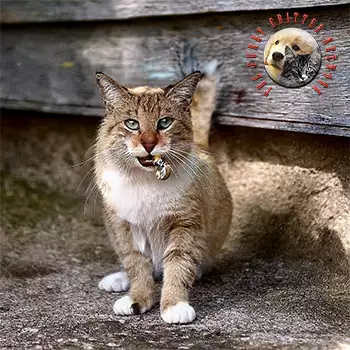
The Ceylon presents an elegant, athletic appearance that reflects its origins as a naturally evolved island cat. These medium-sized cats typically weigh between 8-12 pounds, with males at the heavier end of the range and females generally lighter and more refined. Their bodies are moderately long and muscular without being bulky, showcasing the lean, athletic build characteristic of active tropical cats. The overall impression is one of grace, agility, and natural balance.

The most distinctive feature of the Ceylon is its coat pattern and color. The breed exhibits ticked tabby patterns, where each individual hair has bands of different colors creating a subtle, shimmering effect across the coat. This ticking gives the Ceylon a sand-like or golden appearance that reflects light beautifully. The recognized color varieties include sandy, golden, and cream base colors with darker ticking. Some cats show more pronounced tabby markings on the face, legs, and tail, while the body maintains the ticked appearance. This coloration likely provided camouflage in Sri Lanka's diverse environments, from coastal areas to forest edges.

The coat itself is short, fine-textured, and lies close to the body. It has a silky feel without being overly soft, and the lack of a thick undercoat reflects adaptation to Sri Lanka's tropical climate. This single-layer coat makes the Ceylon easy to maintain and less prone to matting than longer-haired or double-coated breeds. The coat's texture and sheen contribute to the breed's overall elegant appearance.

The head of a Ceylon is a modified wedge shape—not as extreme as some Asian breeds but distinctly triangular when viewed from the front. The muzzle is well-defined, and the cheekbones are moderately high. Ears are medium to large, set wide apart, and slightly rounded at the tips, giving an alert expression. The eyes are almond-shaped and slightly slanted, typically appearing in shades of yellow-green to gold that complement the coat color. These expressive eyes contribute to the breed's intelligent, attentive appearance.

The Ceylon's legs are slender but well-muscled, proportionate to the body, and end in small, oval paws. The tail is medium to long, tapering gradually to a rounded tip, and moves expressively to reflect the cat's mood. Overall, the Ceylon's physical structure exemplifies functional beauty—every aspect of their appearance serves the practical needs of an active, agile cat while creating an aesthetically pleasing companion.

Affection Level
Ceylon cats are affectionate and form strong bonds with their families, though they maintain a degree of independence. They enjoy spending time with their humans but don't demand constant attention, showing affection on their own terms with warmth and loyalty.
Friendliness
These cats are generally friendly and welcoming, especially with family members. They may be initially reserved with strangers but warm up quickly once they assess the situation. Their social nature makes them pleasant companions in various household settings.
Child-Friendly
Ceylon cats typically do well with children who treat them respectfully. Their active, playful nature appeals to kids, and they show patience during appropriate interactions. They appreciate gentle handling and respond positively to children who understand feline body language.
Pet-Friendly
These cats generally adapt well to other pets, including cats and dogs, when properly introduced. Their balanced temperament and social intelligence help them navigate multi-pet households successfully, though proper introductions and individual personalities always matter.
Exercise Needs
Ceylon cats have moderately high exercise needs, enjoying active play sessions and opportunities to climb and explore. Their athletic build and island heritage gave them natural agility and a desire for physical activity that owners should accommodate daily.
Playfulness
These cats maintain a playful spirit throughout their lives, enjoying interactive toys and games that challenge their hunting instincts. They're particularly fond of activities that allow them to demonstrate their agility and speed, bringing entertainment to their households.
Energy Level
Ceylon cats possess high energy levels and appreciate active households where they can engage in regular play and exploration. They balance their active periods with rest but generally prefer environments that offer stimulation and opportunities for physical activity.
Intelligence
Highly intelligent and curious, Ceylon cats are quick learners who can master tricks and solve puzzles. Their problem-solving abilities and adaptability reflect their heritage as naturally evolved cats who had to navigate diverse island environments successfully.
Tendency to Vocalize
Ceylon cats are moderately vocal, communicating their needs with soft chirps, meows, and trills. They'll vocalize to greet family members or request attention but aren't as chatty as some Asian breeds, maintaining a pleasant balance in their communication style.
Amount of Shedding
These cats are light to moderate shedders thanks to their short, close-lying coat without a heavy undercoat. Seasonal shedding is minimal, and regular brushing easily manages loose hair, making them relatively easy to maintain in terms of household cleanliness.

Ceylon History & Origins

The Ceylon cat's history is rooted in the natural feline populations of Sri Lanka, an island nation located off the southeastern coast of India. For centuries, cats lived semi-wild across the island, adapting to diverse environments ranging from coastal regions to mountainous highlands. These cats evolved without deliberate human breeding intervention, shaped purely by natural selection and the island's unique environmental conditions. Archaeological evidence suggests cats have been present in Sri Lanka for hundreds, possibly thousands, of years, likely arriving with traders and settlers from India and the broader Asian region.

In their natural habitat, Sri Lankan cats developed characteristics suited to tropical island life. The climate, characterized by high temperatures and humidity, favored cats with short, light coats that facilitated heat dissipation. The ticked tabby pattern that defines the modern Ceylon likely provided effective camouflage in the island's diverse landscapes, from sandy coastal areas to forested regions. Natural selection also favored cats with athletic builds, intelligence, and adaptability—traits necessary for surviving in varied terrain while coexisting with human populations.

For much of their history, these cats were simply part of Sri Lanka's fauna, living around human settlements, fishing villages, and agricultural areas. They served traditional roles as pest controllers, keeping rodent populations in check around food storage areas and homes. Local populations valued them for these practical benefits while the cats maintained a degree of independence, not fully domesticated but comfortable around humans. This semi-wild existence allowed the cats to retain their natural characteristics while becoming accustomed to human presence.

The recognition of these cats as a distinct breed began in the 1980s when Italian cat fancier Dr. Paolo Pellegatta visited Sri Lanka and became fascinated by the local cat population. He observed consistent characteristics among these cats—particularly their distinctive ticked coats, body structure, and temperament—that set them apart from other domestic cat populations. Recognizing these traits as worthy of preservation, Dr. Pellegatta and colleagues began documenting the cats' characteristics and advocating for breed recognition.

In 1988, the Ceylon was officially recognized by FIFé (Fédération Internationale Féline), one of the major international cat registries. This recognition established breed standards defining the Ceylon's physical characteristics and temperament. Recognition was significant as it acknowledged the Ceylon as a naturally occurring breed rather than a human-created variety, placing it in the same category as other landrace breeds like the Turkish Angora or Norwegian Forest Cat. Following FIFé recognition, some other European cat registries also acknowledged the breed, though it remains unrecognized by major North American organizations like TICA and CFA.

Breeding programs were established primarily in Italy and other parts of Europe, where enthusiasts worked to maintain the breed's natural characteristics while establishing consistent type. Breeders faced challenges including limited foundation stock, the need to maintain genetic diversity, and the breed's overall rarity. Some breeding programs imported cats directly from Sri Lanka to expand the gene pool, while others worked with existing European populations. Today, the Ceylon remains one of the world's rarest cat breeds, with limited breeding populations even in its homeland. Conservation efforts continue through dedicated breeders who recognize the importance of preserving this unique genetic lineage and the natural feline diversity it represents.

Ceylon Temperament & Personality

The Ceylon cat's temperament reflects its heritage as a naturally evolved breed, balancing independence with affection in a way that appeals to cat lovers who appreciate feline dignity combined with companionship. These cats form strong bonds with their families while maintaining the self-sufficiency that characterizes cats shaped by natural selection rather than selective breeding for extreme traits. Their personality is well-balanced, making them adaptable to various household situations and owner lifestyles.

Affection is an important part of the Ceylon personality, though expressed in a dignified manner rather than constant demands for attention. These cats enjoy being near their favorite humans, often choosing to be in the same room or nearby rather than necessarily in direct physical contact. When they do seek affection, they're warm and responsive, purring readily and leaning into gentle pets. Many Ceylon cats develop particularly strong bonds with one or two family members, showing preference for these individuals while remaining friendly toward other household members.

The breed's intelligence is particularly notable. Ceylon cats are quick learners who observe their environment carefully and remember routines, locations, and experiences. They can figure out how to open cabinets, navigate pet doors, and solve puzzle toys with minimal instruction. This intelligence makes them entertaining companions who bring unexpected surprises to daily life, though it also means they need mental stimulation to prevent boredom. Interactive toys, puzzle feeders, and regular environmental enrichment keep their minds engaged and prevent destructive behaviors that can emerge when intelligent cats lack sufficient stimulation.

Playfulness characterizes much of the Ceylon's daily routine. These cats maintain active play drive throughout their lives, enjoying games that allow them to demonstrate their natural hunting abilities. They excel at chasing toys, pouncing on feather wands, and pursuing laser pointers. Their athletic build supports impressive jumping and climbing abilities, and they appreciate vertical territory like cat trees or high shelves. Many Ceylon cats enjoy fetch games and can be trained to retrieve small toys, showing dog-like play behaviors that delight their owners.

The Ceylon's activity level is moderately high, requiring owners who can provide regular play sessions and environmental enrichment. These aren't lap cats content to lounge all day; they prefer active households where they can explore, play, and engage with their environment. That said, they do appreciate rest and will settle down for quiet periods, especially after vigorous play. Their energy makes them excellent companions for families with children or other active pets, as they enjoy having playmates and companions for their activities.

Socially, Ceylon cats are adaptable and generally friendly, though they may initially be reserved with strangers. They assess new people and situations before committing to interaction, showing the cautious intelligence of cats who evolved without guaranteed human protection. Once comfortable, they're welcoming and may seek attention from visitors. Their social nature extends to other pets when properly introduced, and they often form friendships with other cats or even dogs in the household. Overall, the Ceylon's temperament represents a healthy balance between affection and independence, activity and rest, making them rewarding companions for owners who appreciate cats with personality, intelligence, and natural grace.

Care Requirements

Caring for a Ceylon cat is relatively straightforward thanks to the breed's natural hardiness and minimal grooming requirements. These cats evolved to thrive in Sri Lanka's tropical environment, resulting in robust health and adaptability. However, providing proper care ensures your Ceylon reaches their full potential as a healthy, happy companion throughout their life.

The Ceylon's short, fine coat requires minimal grooming compared to many other breeds. Weekly brushing with a soft bristle brush or grooming mitt removes loose hair and distributes natural skin oils, keeping the coat healthy and lustrous. The ticked pattern actually benefits from gentle brushing, which enhances the coat's shimmering appearance by smoothing the hair and reflecting light effectively. During seasonal transitions, you might notice slightly increased shedding, and brushing twice weekly during these periods manages loose fur. Bathing is rarely necessary unless your cat gets into something messy, as Ceylon cats are fastidious self-groomers whose coats naturally repel dirt.

Nail trimming should occur every 2-3 weeks to prevent overgrowth and splitting. Provide scratching posts or pads to allow natural claw maintenance while protecting furniture. Ceylon cats appreciate both vertical and horizontal scratching surfaces. Dental care is crucial for long-term health—establish a routine of brushing your cat's teeth several times weekly using cat-specific toothpaste and brushes. Dental treats and toys supplement but don't replace regular brushing in preventing periodontal disease.

Ceylon cats are active and athletic, requiring environmental enrichment to satisfy their physical and mental needs. Provide cat trees or shelving systems that offer vertical territory for climbing and perching. These cats love height and appreciate window perches where they can observe outdoor activity and bask in sunlight. Interactive toys that mimic prey movements engage their hunting instincts—feather wands, spring toys, and small balls that can be batted around provide excellent entertainment. Puzzle feeders add mental stimulation while slowing eating for cats prone to gobbling their food.

These intelligent cats respond well to training using positive reinforcement methods. They can learn tricks, master commands, and even walk on a leash with patient training. Clicker training works particularly well with Ceylon cats, who quickly make the connection between behavior and reward. Mental stimulation through training sessions prevents boredom and strengthens the bond between cat and owner.

Litter box maintenance is important for any cat. Scoop daily and completely change litter weekly, as Ceylon cats appreciate clean facilities and may avoid dirty boxes. Place litter boxes in quiet, accessible locations away from food and water bowls. Regular veterinary check-ups, including annual wellness exams and vaccinations, maintain optimal health. While naturally robust, preventive care ensures early detection of potential health issues and keeps your Ceylon in peak condition. Indoor living is recommended for Ceylon cats to protect them from traffic, predators, diseases, and other outdoor dangers, though supervised outdoor access in secure enclosures can provide enrichment.

Feeding & Nutrition

Feeding a Ceylon cat requires attention to their nutritional needs as an active, athletic breed. These cats evolved as efficient hunters and their dietary requirements reflect their carnivorous nature. Providing high-quality, protein-rich food ensures your Ceylon maintains optimal health, energy levels, and ideal body condition throughout their life.

Choose premium cat food with real meat listed as the first ingredient. Ceylon cats thrive on diets high in animal protein (at least 30-40% on a dry matter basis) with moderate fat content (15-20%). Look for foods featuring named meat sources like chicken, turkey, fish, or lamb rather than generic "meat meal" or excessive grain fillers. While cats are obligate carnivores requiring animal protein, quality carbohydrates from vegetables or whole grains can provide energy without harmful effects when present in appropriate amounts.

Both wet and dry food work well for Ceylon cats, though many veterinarians recommend a combination. Wet food provides additional hydration—particularly important for cats who may not drink enough water—and typically contains more protein with fewer carbohydrates than dry kibble. The moisture content supports urinary tract health by diluting urine and promoting frequent urination. Dry food offers dental benefits through mechanical cleaning action and provides convenience for owners. Mixing both types creates a balanced feeding approach that addresses multiple health aspects.

Portion control maintains ideal body weight. Adult Ceylon cats typically require 200-300 calories daily depending on their size, activity level, and metabolism. Active cats need more calories than sedentary ones, and outdoor cats require more than indoor cats. Most cats do well with two meals daily, though some owners prefer free-feeding with measured daily portions. Monitor your cat's body condition regularly—you should feel ribs with light pressure but not see them prominently. The waist should be visible when viewed from above. Adjust portions based on weight changes and activity levels.

Kittens have different nutritional requirements than adults. Young Ceylon cats need kitten-specific food with higher protein and fat content supporting rapid growth and development. Feed kittens 3-4 small meals daily until six months of age, then transition to adult feeding schedules. Ensure smooth transitions between foods by gradually mixing increasing amounts of new food with old over 7-10 days, preventing digestive upset.

Fresh water should always be available. Many cats prefer running water, so consider a cat water fountain to encourage drinking. Adequate hydration supports kidney function, urinary tract health, and overall wellbeing. Position water bowls away from food bowls, as cats instinctively prefer separating eating and drinking areas—a behavior inherited from wild ancestors who avoided contaminating water sources with prey remains.

Avoid feeding your Ceylon human food, especially toxic items like chocolate, onions, garlic, grapes, raisins, or anything containing xylitol. While occasional small treats of cooked meat are harmless, cats don't require dietary variety like humans do, and sudden changes can cause digestive issues. Limit treats to less than 10% of daily caloric intake. Consult your veterinarian about specific dietary needs if your cat has health concerns, allergies, or sensitivities.

Ceylon Health & Lifespan

The Ceylon cat enjoys robust health thanks to its development as a naturally occurring breed with a diverse gene pool. Unlike many purebred cats created through intensive selective breeding, Ceylon cats evolved through natural selection over centuries, resulting in fewer breed-specific genetic disorders and overall vigor. However, responsible ownership still requires awareness of potential health concerns and commitment to preventive care. With proper nutrition, regular veterinary attention, and appropriate lifestyle management, Ceylon cats typically enjoy long, healthy lives spanning 14-16 years or more, with some individuals reaching 18 years.

The Ceylon cat's natural development has blessed the breed with exceptional health and longevity compared to many purebred cats. By providing routine veterinary care, maintaining appropriate weight through diet and exercise, ensuring dental health, and monitoring for any changes in behavior or physical condition, owners can help their Ceylon cats live full, active lives. These hardy cats reward proper care with years of companionship, and their robust nature combined with engaging personalities makes them excellent choices for first-time cat owners and experienced fanciers alike who appreciate healthy, low-maintenance felines.

Common Health Issues

  • While generally healthy - Ceylon cats can develop dental disease if oral hygiene is neglected. Plaque and tartar buildup leads to gingivitis and periodontal disease, causing pain and potentially affecting overall health through bacteria entering the bloodstream. Regular tooth brushing and professional dental cleanings prevent these issues.
  • Obesity can affect Ceylon cats who don't receive adequate exercise or are overfed. These naturally athletic cats need appropriate portion control and regular activity to maintain healthy weight. Excess weight strains joints - Increases diabetes and arthritis risk, and can significantly shorten lifespan.
  • Like all cats, Ceylon cats may develop urinary tract issues including cystitis - Urinary crystals, or blockages, particularly males with their narrower urethras. Ensuring adequate water intake and feeding appropriate diets helps minimize risk. Watch for signs like straining in the litter box, frequent urination, or blood in urine.
  • Although less common than in some purebred lines, Ceylon cats can develop hypertrophic cardiomyopathy - HCM, , a heart condition where the heart muscle thickens. Regular veterinary check-ups including heart auscultation help detect this condition early when treatment is most effective.
  • Kidney disease can affect older Ceylon cats as it does many senior felines. Regular blood work and urinalysis monitor kidney function - And early detection allows for dietary management and supportive care that slow disease progression and maintain quality of life.
  • Parasites including fleas - Ticks, and intestinal worms can affect Ceylon cats, particularly those with outdoor access. Regular preventive treatments and fecal examinations keep these parasites under control. Even indoor cats benefit from parasite prevention as owners can inadvertently bring parasites inside.

Preventive Care & Health Monitoring

  • Annual veterinary examinations are essential for maintaining Ceylon cat health. These check-ups include physical examination, dental assessment, weight monitoring, and discussion of any behavioral or health changes. Senior cats - Over 7 years, benefit from twice-yearly visits and regular blood work detecting age-related conditions early.
  • Keep vaccinations current according to your veterinarian's recommendations. Core vaccines protect against rabies - Feline panleukopenia, feline herpesvirus, and calicivirus. Non-core vaccines like FeLV may be recommended based on lifestyle and exposure risk. Indoor cats still need protection as some diseases are airborne.
  • Maintain regular parasite prevention including flea - Tick, and heartworm control. Even indoor cats benefit from these preventives as parasites can enter homes on shoes and clothing. Regular deworming and fecal examinations ensure intestinal parasites don't compromise your cat's health.
  • Spaying or neutering is recommended for Ceylon cats not intended for breeding. These procedures prevent unwanted litters - Reduce certain cancer risks, eliminate heat cycles and spraying behaviors, and often result in calmer pets. Most veterinarians recommend surgery between 4-6 months of age.

Coat Color & Grooming

The Ceylon cat's coat is one of its most distinctive and beautiful features, characterized by a unique ticked tabby pattern that creates a shimmering, sand-like appearance. Understanding this coat's characteristics and proper grooming techniques ensures your Ceylon maintains their elegant appearance while staying healthy and comfortable.

The Ceylon's coat pattern is technically called "ticked tabby" or "agouti," where each individual hair shaft has bands of different colors creating a subtle, multi-toned effect. When viewed up close, you can see that single hairs alternate between lighter and darker shades, but from a distance, this creates an overall shimmering appearance without distinct stripes or spots. This ticking gives the Ceylon its characteristic golden, sandy, or cream coloration that reflects light beautifully, almost creating an iridescent quality as the cat moves.

Recognized color varieties in the Ceylon include sandy (warm beige-brown with darker ticking), golden (rich gold with brown ticking), and cream (pale cream with darker cream ticking). Some cats show more pronounced tabby markings on the face, particularly the classic "M" marking on the forehead, and may have faint rings on the legs and tail. However, the body maintains the ticked appearance without obvious stripes or spots. Eye color typically ranges from yellow-green to gold, complementing the warm coat tones beautifully.

The texture of the Ceylon's coat is short, fine, and silky to the touch. It lies close to the body without standing up or creating a fluffy appearance. Importantly, the Ceylon has minimal undercoat, which is typical of cats evolved in tropical climates where heavy insulation isn't necessary. This single-layer coat structure means Ceylon cats shed less than double-coated breeds and are less prone to matting. The coat's texture and the ticked pattern combine to create an elegant, polished appearance.

Grooming a Ceylon is refreshingly simple. Weekly brushing with a soft bristle brush or rubber grooming mitt removes loose hair and distributes natural skin oils, keeping the coat healthy and enhancing its natural sheen. Brushing also stimulates blood flow to the skin and provides bonding time between cat and owner. The ticked pattern actually looks more beautiful after grooming, as the smoothed hair reflects light more effectively, emphasizing the coat's shimmering quality. During spring and fall, when seasonal shedding increases slightly, brush twice weekly to manage loose fur.

Bathing is rarely necessary for Ceylon cats unless they get into something particularly messy. These cats are fastidious self-groomers, and their short coat naturally resists dirt and debris. The lack of undercoat means water penetrates quickly if bathing becomes necessary, so use a gentle cat-specific shampoo and ensure thorough rinsing followed by complete towel drying. Most Ceylon cats tolerate necessary grooming procedures well, especially when introduced gradually from kittenhood. Regular grooming sessions also provide opportunities to check for skin issues, lumps, parasites, or other health concerns that might require veterinary attention.

Children & Other Pets

Ceylon cats adapt well to family environments and typically integrate successfully into households with children and other pets. Their balanced temperament—affectionate without being overly demanding, playful without being hyperactive—makes them suitable companions for diverse family structures. Understanding how to facilitate positive relationships ensures harmony for all household members.

With children, Ceylon cats generally display patience and tolerance when treated respectfully. Their active, playful nature aligns well with children's energy levels, and they often enjoy interactive play sessions with younger family members. Ceylon cats appreciate games of chase, feather wand play, and other activities that engage their hunting instincts. Their athletic build allows them to handle gentle, appropriate play without injury, though they may walk away rather than tolerate rough handling.

Teaching children proper cat interaction techniques is essential. Explain that while Ceylon cats are tolerant, they deserve respect and gentle handling. Demonstrate appropriate petting techniques, avoiding tail or ear pulling, and teach children to recognize feline body language indicating the cat needs space. Ceylon cats will typically remove themselves from situations when they've had enough interaction, so ensure they have accessible escape routes to high perches or quiet spaces. With mutual respect and understanding, Ceylon cats and children often form strong bonds and provide companionship for one another.

Ceylon cats generally integrate well into multi-cat households. Their social intelligence and balanced temperament help them establish appropriate relationships with other cats. They're neither overly dominant nor excessively submissive, instead reading other cats' personalities and adjusting their behavior accordingly. When introducing a new Ceylon to resident cats, follow standard introduction protocols with gradual, supervised meetings, scent swapping, and feeding on opposite sides of closed doors before allowing direct interaction. Most Ceylon cats eventually form at least cordial relationships with other household cats, with many developing close friendships involving mutual grooming and synchronized napping.

Surprisingly, Ceylon cats often get along well with dogs, particularly those with cat-friendly temperaments. Their confident nature prevents them from acting fearful or prey-like, which helps establish appropriate dynamics with canine companions. Dogs raised with cats or possessing gentle, calm temperaments make the best companions. Proper introductions remain crucial—never allow dogs to chase your cat, and ensure your Ceylon has escape routes and safe spaces inaccessible to dogs. With patience and proper management, many Ceylon cats and dogs become genuine friends, playing together and sharing sleeping spaces.

When bringing a Ceylon into a home with small pets like birds, hamsters, rabbits, or fish, remember that these cats possess natural hunting instincts developed over centuries. While individual cats vary in prey drive, it's generally safest to keep small animals securely housed in areas your Ceylon cannot access. Never leave them unsupervised together, as even well-meaning play can result in tragedy. With appropriate management, clear boundaries, and respect for everyone's needs, Ceylon cats thrive in diverse family situations, bringing joy, companionship, and their distinctive beauty to all household members while maintaining their dignified, engaging personalities.