
Recognizing the Senior Transition

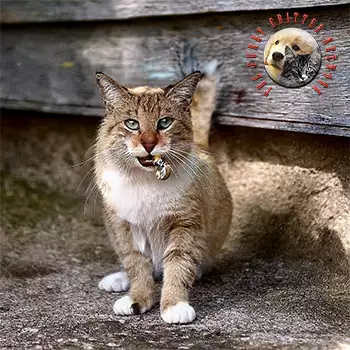
Cats are generally considered senior at approximately eleven years of age, though the transition from prime adult to senior is gradual and varies by individual. The Ceylon's typical lifespan of twelve to sixteen years means that many cats in this breed will spend a significant portion of their lives in the senior category. Recognizing the early signs of aging allows caregivers to adjust care proactively rather than reactively, preserving quality of life and catching health changes before they become advanced.

The earliest signs of aging in a Ceylon are often subtle. A slight decrease in the intensity and duration of play sessions, a preference for warmer sleeping spots, a bit more time spent resting between periods of activity — none of these are alarming on their own, and they represent normal physiological changes. Muscle mass may decrease gradually, and the cat's once-sleek silhouette may soften slightly around the abdomen. The coat may lose some of its luster, and grooming may become less thorough, particularly on the back and hindquarters where flexibility is needed to reach.

Behavioral changes are equally significant and should not be dismissed as the cat simply slowing down. Increased vocalization, especially at night, can signal cognitive changes, hearing loss, or discomfort. Changes in litter box habits — missing the box, going more or less frequently, or producing larger volumes of urine — may indicate kidney disease, diabetes, or hyperthyroidism. A cat that was previously social and now seeks isolation, or a previously independent cat that suddenly becomes clingy, is communicating something. Pay attention.

The senior transition is not a decline to be managed passively. It is a change in the cat's needs that demands an active response from the caregiver. The veterinary visit schedule increases from annual to semi-annual. The diet shifts to meet changing metabolic requirements. The home environment is assessed for accessibility. The mindset shifts from maintenance to attentive, responsive care that prioritizes comfort and function at every stage.

Veterinary Care for the Senior Ceylon

Semi-annual veterinary examinations become the standard of care when your Ceylon enters its senior years. The increased frequency is not precautionary excess — it reflects the reality that age-related conditions develop faster in cats than in humans, and a six-month gap between examinations can allow a treatable condition to progress to an advanced stage. Each visit should include a thorough physical examination, weight and body condition assessment, dental evaluation, and blood pressure measurement.

Comprehensive blood work at each semi-annual visit is essential. A complete blood count, comprehensive metabolic panel, thyroid hormone level, and urinalysis provide a detailed picture of organ function and metabolic health. Chronic kidney disease is the most common cause of illness and death in aging cats and often begins with subtle changes in kidney values that are detectable on blood work long before the cat shows clinical signs. Early detection allows dietary management and supportive care that can slow progression and maintain quality of life for months or years.

Hyperthyroidism is the second most common endocrine condition in senior cats, caused by a benign overgrowth of thyroid tissue that produces excessive thyroid hormone. Symptoms include weight loss despite an increased appetite, restlessness, increased thirst and urination, vomiting, and a palpably enlarged thyroid gland in the neck. The condition is highly treatable through medication, radioactive iodine therapy, dietary management, or surgery, but diagnosis depends on regular thyroid screening. Untreated hyperthyroidism stresses the heart and can mask underlying kidney disease.

Diabetes mellitus, while less common, is another condition that increases in prevalence with age and is associated with obesity and sedentary lifestyle. Symptoms include increased thirst, increased urination, weight loss, and lethargy. Blood glucose measurement at the semi-annual visit screens for this condition. Dental disease, arthritis, hypertension, and various cancers also become more prevalent in the senior years, reinforcing the importance of regular professional evaluation as the cat ages.

Nutrition for the Aging Ceylon

Nutritional requirements change as the Ceylon ages, and the diet that sustained your cat through its prime years may no longer be appropriate. Senior cats often experience a gradual decline in their ability to digest and absorb nutrients efficiently, which means that caloric needs may paradoxically increase even as activity levels decrease. Many senior cats lose weight not because they are eating less but because they are absorbing less from what they eat.

Transition to a high-quality senior cat food formulated to address the specific needs of aging felines. Look for a diet with highly digestible protein sources to support muscle mass maintenance, moderate fat content for energy, and controlled phosphorus levels to reduce the workload on aging kidneys. Omega-3 fatty acids from fish oil support skin and coat health, joint function, and cognitive performance. Antioxidant supplementation may support immune function, though the evidence is stronger in some areas than others. Discuss specific dietary recommendations with your veterinarian, who can tailor advice to your Ceylon's individual health profile.

Feeding strategy may need to adjust as well. Some senior Ceylons maintain a healthy appetite and normal meal patterns well into old age, while others become finicky or eat smaller amounts at each sitting. Offering three or four smaller meals per day rather than two larger ones can help maintain caloric intake for cats that eat less at each meal. Warming food slightly to release aroma can stimulate appetite in cats with a diminished sense of smell. If your Ceylon is on a prescription diet for kidney disease, hyperthyroidism, or another condition, palatability becomes especially important, as compliance depends on the cat actually eating the food.

Hydration becomes increasingly critical as kidney function declines. Encourage water intake through pet fountains, multiple water stations throughout the home, and a diet weighted toward wet food. Adequate fluid intake supports kidney function, prevents constipation, and helps maintain overall metabolic stability. Monitor your cat's water consumption as part of your daily routine — a sudden increase in drinking often signals kidney disease, diabetes, or hyperthyroidism and should prompt a veterinary visit.

Mobility and Comfort

Arthritis affects the majority of cats over the age of twelve, though many caregivers never recognize it because cats are exceptionally skilled at hiding pain. The Ceylon's naturally active temperament can mask joint discomfort longer than more sedentary breeds — the cat may continue to play and move, but with subtle changes in gait, landing mechanics, or willingness to jump to previously favored heights. A cat that used to leap directly to the top of a six-foot cat tree but now takes intermediate steps, or one that hesitates before jumping onto a counter it once cleared effortlessly, is likely experiencing joint pain.

Environmental modifications make a meaningful difference in the quality of life for a senior Ceylon with mobility limitations. Provide pet stairs or ramps to favorite elevated resting spots. Replace tall litter boxes with low-entry versions that do not require the cat to step over a high rim. Ensure that food and water stations are easily accessible without requiring the cat to navigate stairs or jump. Place soft bedding in warm, draft-free locations — heated cat beds are particularly appreciated by arthritic cats and can reduce stiffness associated with cool ambient temperatures.

Pain management for feline arthritis has advanced considerably, and several options are available through your veterinarian. Non-steroidal anti-inflammatory drugs formulated specifically for cats can provide significant relief when used under veterinary supervision. Joint supplements containing glucosamine, chondroitin, and omega-3 fatty acids may provide supportive benefit, though evidence varies. Adequan injections have shown promise in some cats. Your veterinarian can assess your Ceylon's pain level and develop a management plan that balances efficacy with safety for the individual patient.

Gentle, low-impact play remains important for the senior Ceylon. Maintaining some level of physical activity supports joint flexibility, muscle tone, and mental engagement. Adjust the type and intensity of play to the cat's current abilities — slower-moving toys at ground level, short sessions with more rest periods, and activities that do not require jumping or rapid direction changes. The goal is to keep the cat moving and engaged without pushing it past the point of comfort.

Cognitive Health and Mental Stimulation

Cognitive dysfunction syndrome affects a significant percentage of cats over the age of fifteen and may begin earlier in some individuals. The condition parallels dementia in humans and manifests as disorientation, changes in sleep-wake cycles, altered social interactions, loss of previously learned behaviors such as litter box use, aimless wandering, and increased vocalization — particularly at night. The Ceylon's intelligence and social engagement make cognitive changes particularly noticeable to attentive caregivers.

Mental stimulation throughout the senior years may slow cognitive decline, though the evidence is more established in humans and dogs than in cats. Continue providing puzzle feeders at an appropriate difficulty level, novel objects to investigate, and regular social interaction. Even a senior cat that no longer chases feather toys with juvenile enthusiasm will often engage with gentler forms of play — batting at a slowly dragged string, investigating a paper bag, or watching a tablet screen displaying bird videos. The key is to keep the brain active without demanding physical exertion the cat can no longer comfortably provide.

Environmental consistency becomes increasingly important as cognitive function declines. Avoid rearranging furniture, moving litter boxes, or changing the locations of food and water stations. A cat experiencing cognitive confusion relies on spatial memory and familiar landmarks to navigate its environment, and changes that would be trivial for a younger cat can cause genuine distress. Night lights in hallways and near litter boxes can help a disoriented cat find its way in the dark.

If your Ceylon begins showing signs of cognitive dysfunction, discuss the options with your veterinarian. Dietary supplementation with antioxidants, omega-3 fatty acids, and medium-chain triglycerides has shown some benefit in supporting cognitive function in aging cats. Prescription diets formulated for cognitive support are available. Environmental enrichment, predictable routines, and patient, calm interaction from the caregiver provide the foundation of management for a condition that is progressive but manageable with attentive care.

Managing Chronic Conditions

Many senior Ceylons live with one or more chronic conditions that require ongoing management. Chronic kidney disease, hyperthyroidism, diabetes, arthritis, dental disease, and inflammatory bowel disease are among the most common. The presence of a chronic condition does not mean the cat's quality of life is poor — it means the caregiver's role shifts to include monitoring, medication administration, dietary management, and regular veterinary collaboration.

Medication compliance is often the greatest practical challenge of managing chronic illness in cats. Some Ceylons accept pills readily, especially when wrapped in a soft treat or administered with a pill gun. Others resist fiercely, and the stress of daily pilling can erode the cat's trust and the caregiver's confidence. Discuss alternatives with your veterinarian — many feline medications are available in transdermal formulations that are applied to the ear, liquid suspensions that can be mixed with food, or flavored compounded preparations that improve acceptance. Finding the delivery method that works for your individual cat is essential for sustained treatment compliance.

Subcutaneous fluid administration at home is a common component of managing chronic kidney disease in cats. The procedure involves placing a small needle under the skin and allowing a measured volume of lactated Ringer's solution to flow into the subcutaneous space, where it is absorbed gradually. Most cats tolerate the procedure well once both the cat and the caregiver have become comfortable with the technique, and many caregivers report that their cats seek out the fluid administration spot voluntarily because they feel better afterward. Your veterinarian or a veterinary technician can teach you the procedure and help you establish a schedule appropriate for your cat's stage of kidney disease.

Keep a log of your Ceylon's daily condition — appetite, water intake, litter box output, activity level, medication administration, and any observations about behavior or demeanor. This log is invaluable at veterinary visits and helps both you and your veterinarian track the trajectory of the cat's condition over time. Chronic disease management is a partnership between you and your veterinary team, and the data you collect at home is a critical component of that partnership.

Quality of Life Assessment

Assessing quality of life in a senior cat requires honest, ongoing evaluation that separates what the caregiver wishes were true from what the cat is actually experiencing. Cats are stoic animals that instinctively mask pain and illness, and the Ceylon's naturally cheerful temperament can make it particularly difficult to recognize when the cat is struggling. A structured approach to quality of life assessment helps caregivers make clear-eyed evaluations that serve the cat's interests.

Consider the cat's life across several dimensions: pain management (is the cat comfortable, and are pain medications controlling symptoms effectively), hunger and hydration (is the cat eating and drinking enough to sustain itself without coercion), hygiene (can the cat groom itself, or is it becoming soiled), happiness (does the cat still show interest in its surroundings, respond to interaction, and exhibit any of its characteristic behaviors), mobility (can the cat get to food, water, and the litter box without distress), and more good days than bad (on balance, is the cat experiencing more comfort than suffering over the course of a week).

Keep a daily journal that rates each dimension, even informally. Over weeks and months, this record reveals trends that are difficult to see day to day. A cat that has three good days and four difficult days this week, compared to four good days and three difficult days last week, is trending in a direction that needs to be acknowledged even though no single day may have felt dramatically different.

Discuss quality of life openly with your veterinarian, who can provide an objective medical assessment to complement your daily observations. Your veterinarian is your partner in this process, not your adversary. The conversation about quality of life is not a conversation about giving up. It is a conversation about ensuring that the care you provide continues to serve the cat's comfort and dignity. When the balance shifts — when suffering outweighs comfort consistently and cannot be reversed — the most loving decision is often the hardest one. That decision is addressed in its own section of this life stage guide.

Always consult a qualified professional before making any health-related decisions. This content is provided for informational reference only and should not replace professional guidance specific to your animal.