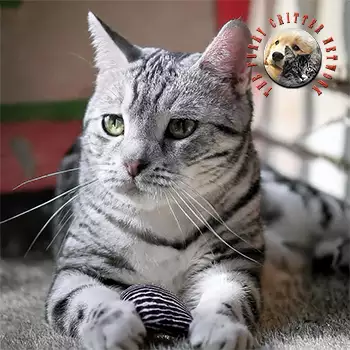

Growth & Physical Development

The juvenile period for an American Wirehair spans roughly from eight weeks to twelve months of age, during which the kitten undergoes a remarkable transformation in size, strength, and physical maturity. Most American Wirehairs will reach approximately half their adult weight by four to five months and continue gaining steadily until they approach their full frame around one year. Males tend to be slightly larger than females, typically finishing between eight and twelve pounds, while females generally settle between six and ten pounds.

The breed's signature wiry coat becomes increasingly distinctive during this period. Individual hairs develop a more pronounced crimp and springy texture, and the overall coat density fills in. Some kittens may go through an awkward coat phase where the texture appears uneven or patchy as old kitten fur is replaced by the adult coat. This is entirely normal and will resolve as the cat matures. Regular but gentle grooming helps remove loose hair without damaging the delicate wire texture.

Musculoskeletal development during adolescence is rapid and demands adequate nutritional support. The skeletal structure is still forming, and growth plates remain open until around ten to twelve months in most cats. During this period, excessive jumping from extreme heights or rough handling should be moderated to protect developing joints. The American Wirehair's medium, well-muscled build becomes more evident as baby softness gives way to the compact, athletic frame characteristic of the breed.

Teething is a significant milestone during the juvenile period. Deciduous teeth begin to fall out around three to four months of age and are gradually replaced by the full set of thirty adult teeth by approximately six months. Kittens may chew more during this time and can occasionally experience sore gums. Providing safe chew toys and monitoring for retained baby teeth that do not fall out on their own helps ensure proper dental development.

Nutrition & Diet Transition

Juvenile American Wirehairs require a diet specifically formulated for growing kittens, which provides higher levels of protein, fat, and essential nutrients compared to adult cat food. Kitten food supports the demands of rapid growth, brain development, and the high energy expenditure typical of this life stage. Feed a high-quality commercial kitten food that lists a named animal protein as the first ingredient and meets the nutritional profiles established by recognized feline nutrition authorities.

Feeding frequency during the juvenile period is higher than for adult cats. Kittens between eight weeks and six months of age benefit from three to four meals per day, which helps maintain stable blood sugar levels and provides a steady supply of nutrients for growth. After six months, most kittens can transition to two or three meals daily. Fresh water should be available at all times, and some American Wirehairs show a preference for running water, making a pet fountain a worthwhile consideration.

The transition from kitten food to adult formulas should not be rushed. Most veterinarians recommend continuing kitten food until the cat reaches twelve months of age, at which point the growth rate slows significantly and the higher calorie density of kitten food is no longer necessary. When the time comes to switch, do so gradually over seven to ten days by mixing increasing proportions of the new food with decreasing amounts of the old. Abrupt dietary changes can cause digestive upset including vomiting and diarrhea.

Avoid the temptation to supplement a balanced commercial diet with excessive treats, table scraps, or raw food without veterinary guidance. While the occasional small treat is fine for training and bonding, treats should not exceed ten percent of the kitten's daily caloric intake. Certain human foods, including onions, garlic, chocolate, grapes, and anything containing xylitol, are toxic to cats and must be kept out of reach at all times.

Behavioral Changes

Adolescence brings a surge of energy, curiosity, and independence that can catch first-time cat owners off guard. American Wirehairs are generally even-tempered cats, but even this calm breed experiences a phase of heightened activity and boundary-testing between four and ten months of age. Kittens may race through the house at odd hours, knock objects off surfaces, and explore every cabinet and shelf they can access. This behavior is completely normal and reflects healthy neurological and physical development.

Social behavior evolves considerably during this stage. Kittens begin to establish preferences for certain people, sleeping spots, and play routines. The American Wirehair's affectionate nature typically becomes more apparent, with many individuals developing a habit of following their favorite person from room to room. At the same time, adolescent cats are testing the boundaries of their social world and may occasionally display assertive or mildly aggressive behavior during play.

Predatory play intensifies during the juvenile period. Stalking, pouncing, and chasing are hardwired feline behaviors that young cats practice with increasing skill and enthusiasm. Providing appropriate outlets for this energy through interactive toys, puzzle feeders, and structured play sessions is essential. Without adequate stimulation, a bored adolescent cat may redirect its predatory instincts toward ankles, hands, or household items.

Some behavioral changes during adolescence are related to hormonal development, particularly if the cat has not yet been spayed or neutered. Males may begin spraying urine to mark territory, while females can become vocal and restless as they approach their first heat cycle. These behaviors are discussed further in the context of spay and neuter considerations, but it is worth noting that hormonal influences can significantly affect behavior during this period.

Training Priorities

The juvenile period is the ideal time to establish the behaviors and routines that will define life with your American Wirehair. Cats are highly trainable when approached with patience and positive reinforcement, and the naturally cooperative temperament of this breed makes the process particularly rewarding. Litter box habits are usually well established by the time a kitten arrives in its new home, but reinforcing consistency by keeping the box clean, accessible, and in a quiet location prevents lapses.

Scratching is a natural and necessary behavior for cats, serving to maintain claw health, stretch muscles, and mark territory. Rather than attempting to eliminate scratching, redirect it to appropriate surfaces by providing sturdy scratching posts in materials your cat prefers, whether sisal, cardboard, or wood. Place posts near sleeping areas and along common travel routes, and reward the kitten with praise or a small treat whenever it uses them. Consistency and positive reinforcement are far more effective than punishment, which only damages trust.

Carrier training during adolescence pays enormous dividends throughout the cat's life. Leave the carrier out in the living area with a soft blanket inside so the kitten can explore and nap in it voluntarily. Periodically close the door for brief periods, then take short car rides to build tolerance. A cat that views its carrier as a safe den rather than a trap will experience far less stress during veterinary visits and travel.

Basic commands such as coming when called, sitting, and targeting a hand or stick with the nose can be taught using clicker training or a consistent verbal marker paired with treats. Short sessions of three to five minutes are most effective, as kittens have limited attention spans. The goal is not obedience in the canine sense but rather building a communication framework that strengthens the bond between cat and owner and makes daily life smoother for both.

Exercise & Activity

American Wirehairs are moderately active cats that enjoy a healthy balance of play and relaxation. During the juvenile period, however, energy levels run high, and providing sufficient physical and mental stimulation is crucial for proper development and household harmony. Interactive play sessions of at least fifteen to twenty minutes twice daily give young cats an outlet for their natural hunting instincts and help prevent the destructive behavior that arises from boredom.

Wand toys, feather lures, and small balls that mimic the erratic movement of prey are among the most effective tools for engaging a young cat's hunting drive. Vary the toys regularly to maintain interest, and always put wand toys away after play to prevent accidental entanglement. Puzzle feeders and food-dispensing toys add mental stimulation to mealtime and slow down kittens that tend to eat too quickly.

Vertical space is especially important for cats during this growth phase. Cat trees, wall-mounted shelves, and window perches allow climbing, jumping, and surveying the environment from a safe height. American Wirehairs appreciate having elevated vantage points where they can observe household activity without being in the middle of it. A well-placed cat tree near a window provides entertainment through bird watching and sunbathing.

While encouraging activity is important, it is equally important to respect the kitten's need for rest. Growing cats may sleep sixteen or more hours per day, and this sleep is essential for physical development and memory consolidation. Avoid waking a sleeping kitten for play, and provide quiet, comfortable resting spots throughout the home where the cat can retreat undisturbed.

Spay/Neuter Considerations

The decision to spay or neuter an American Wirehair is one of the most important health choices an owner makes during the juvenile period. Most veterinarians recommend the procedure between four and six months of age, before the cat reaches sexual maturity. Early spaying or neutering eliminates the risk of unwanted litters, reduces the incidence of certain reproductive cancers, and often results in a calmer, more predictable temperament.

For female American Wirehairs, spaying before the first heat cycle significantly reduces the risk of mammary tumors later in life. The procedure also eliminates the possibility of pyometra, a serious and potentially life-threatening uterine infection. Unspayed females will cycle into heat repeatedly, during which they may vocalize loudly, pace restlessly, and attempt to escape outdoors to find a mate.

Neutering males eliminates testicular cancer risk and dramatically reduces behaviors driven by testosterone, including urine spraying, roaming, and inter-cat aggression. Intact males are more likely to fight with other cats, increasing their exposure to bite wounds and infectious diseases. Neutered males are generally more content to remain indoors and tend to be more sociable with both people and other animals.

Discuss the timing and approach with your veterinarian, who can evaluate your specific cat's development and health status. Some veterinary practices offer early spay and neuter procedures as young as eight weeks, which is considered safe and effective by major veterinary organizations. Post-surgical recovery is typically quick in young cats, with most returning to normal activity within a few days. Follow all post-operative care instructions carefully, including limiting jumping and monitoring the incision site for signs of infection.

Socialization & Exposure

While the most sensitive socialization window closes around seven weeks of age, the juvenile period remains an important time for continued social learning and environmental enrichment. American Wirehairs that receive ongoing positive exposure to new people, experiences, and environments during their first year tend to grow into confident, well-adjusted adult cats. This breed's naturally relaxed disposition provides an excellent foundation, but socialization should not be left to chance.

Introduce your kitten to a variety of visitors in a controlled and positive manner. Encourage guests to offer treats and gentle interaction, but always let the kitten approach on its own terms. Forcing contact with a frightened kitten creates negative associations that can be difficult to reverse. If the kitten retreats, allow it to observe from a distance and try again later. Over time, most American Wirehairs become quite comfortable with strangers.

Exposure to other household pets should be managed carefully during adolescence. If introducing your American Wirehair to a resident dog or cat, use a gradual introduction protocol that involves scent swapping, visual contact through a barrier, and finally supervised face-to-face meetings. The process may take days or weeks depending on the individual animals involved. Patience during this phase prevents conflicts that could establish lasting tension between pets.

Environmental enrichment extends beyond social exposure. Introduce novel objects, textures, and sounds on a regular basis. A paper bag on the floor, a cardboard box, or a new blanket draped over a chair can provide valuable mental stimulation. Rotate toys and rearrange climbing structures periodically to keep the environment fresh and engaging. A well-socialized and environmentally enriched American Wirehair kitten is laying the groundwork for a lifetime of confident, happy companionship.

Always consult a qualified professional before making any health-related decisions. This content is provided for informational reference only and should not replace professional guidance specific to your animal.