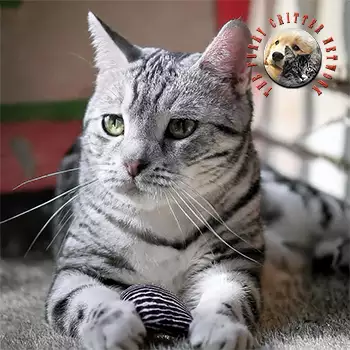

As an American Wirehair approaches the end of its life, changes in behavior and physical condition often become more pronounced. While some cats decline gradually over weeks or months, others may experience a more sudden shift. Recognizing the signs that your cat's quality of life is deteriorating allows you to make informed, compassionate decisions about its care. The natural instinct of cats to hide pain and vulnerability means that by the time changes are obvious, the cat may have been struggling for some time.
A significant and sustained decline in appetite is one of the most common early indicators. A cat that once ate eagerly but now turns away from food, even favorite treats, may be experiencing nausea, pain, or organ failure. Weight loss that continues despite attempts to encourage eating signals that the body is no longer processing nutrition effectively. Muscle wasting, particularly along the spine and hindquarters, becomes visible as the cat loses lean body mass.
Withdrawal from social interaction is another important sign. An American Wirehair that has spent its life seeking companionship may begin isolating itself, choosing hidden or unusual resting spots away from the family. Some cats become the opposite, seeking more contact and reassurance than usual. Either change from established patterns deserves attention. Loss of interest in grooming, resulting in a dull or matted coat, indicates that the cat lacks the energy or comfort to maintain its usual self-care.
Changes in breathing patterns, including labored breathing, open-mouth breathing, or a persistent cough, can indicate cardiac or respiratory decline. Difficulty using the litter box, whether due to mobility issues, incontinence, or confusion, is distressing for both the cat and the owner. Seizures, significant disorientation, and an inability to stand or walk are signs of serious neurological compromise. When multiple signs converge and quality of life assessments consistently indicate more suffering than comfort, it is time to consult closely with your veterinarian.