
Peak Health Maintenance

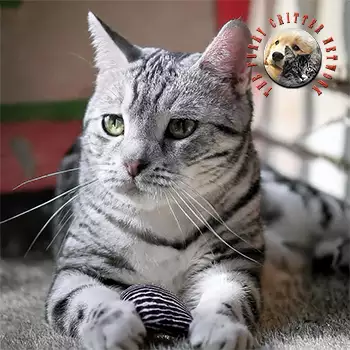
The adult years of the American Wirehair, spanning roughly from one to ten years of age, represent the longest and most stable period of the cat's life. During this time the breed's robust constitution and generally hardy genetic background work in the owner's favor, but consistent preventive care remains essential to sustaining good health. An annual veterinary wellness examination is the cornerstone of adult cat care, providing an opportunity to detect subtle changes before they develop into serious problems.

During each annual visit, the veterinarian will perform a thorough physical examination that includes listening to the heart and lungs, palpating the abdomen, checking lymph nodes, evaluating dental health, and assessing body condition. Routine bloodwork and urinalysis, even in apparently healthy cats, can reveal early signs of kidney disease, diabetes, thyroid dysfunction, and other conditions that are far more manageable when caught early. Vaccination boosters are administered on a schedule tailored to your cat's lifestyle and risk factors.

American Wirehairs are generally healthy cats without a strong predisposition to breed-specific diseases, though they can be affected by the same conditions that impact domestic cats broadly. Hypertrophic cardiomyopathy, the most common heart disease in cats, can occur in any breed and may develop without obvious symptoms. Periodic cardiac screening, particularly if there is any family history of heart disease, is a reasonable precaution. Discuss your cat's individual risk profile with your veterinarian to determine the appropriate level of screening.

Parasite prevention is an ongoing responsibility throughout the adult years, even for indoor-only cats. Fleas, ticks, and intestinal parasites can enter the home on clothing, shoes, or other pets. Year-round preventive treatment protects your American Wirehair from these parasites as well as the diseases they can transmit, including tapeworm and bartonella. Your veterinarian can recommend a preventive protocol suited to your geographic region and household circumstances.

Nutrition at Maturity

Once an American Wirehair has completed its growth, typically around twelve months of age, the transition to an adult maintenance diet is appropriate. Adult cat food is formulated with a lower calorie density than kitten food, reflecting the reduced energy demands of a fully grown cat. Choose a high-quality commercial diet that lists a named animal protein as the primary ingredient and meets established nutritional standards for adult feline maintenance.

Portion control becomes increasingly important during the adult years, as the American Wirehair's calm temperament and moderate activity level can predispose it to gradual weight gain if food is available without limits. Free-feeding, or leaving food out at all times, encourages overeating in many cats. Measured meals served two to three times daily allow you to monitor exactly how much your cat is consuming and make adjustments as needed based on body condition.

Body condition scoring is a practical tool for assessing whether your cat is at a healthy weight. A cat in ideal condition has ribs that can be felt easily with light pressure but are not prominently visible, a visible waist when viewed from above, and a small abdominal tuck when viewed from the side. Excess weight places strain on joints, increases the risk of diabetes, and can shorten lifespan. If your American Wirehair is trending toward overweight, consult your veterinarian before reducing food intake, as cats have specific metabolic needs that make crash dieting dangerous.

Fresh water must be available at all times. Adequate hydration supports kidney function, urinary tract health, and overall cellular processes. Many cats prefer running water, and a pet fountain can encourage increased water intake. Incorporating wet food into the diet, even alongside dry kibble, adds moisture and provides variety that most cats enjoy.

Exercise & Fitness

Adult American Wirehairs retain a playful streak well into their prime years, though their energy levels settle into a more moderate rhythm compared to the frantic activity of kittenhood. Daily interactive play remains important for maintaining muscle tone, healthy weight, and mental sharpness. Two sessions of ten to fifteen minutes each, using wand toys, laser pointers with a tangible reward at the end, or tossed toys, provide sufficient physical engagement for most adult cats of this breed.

Environmental enrichment complements structured play by offering opportunities for self-directed activity throughout the day. Cat trees positioned near windows allow climbing and bird watching. Puzzle feeders challenge the cat to work for a portion of its daily food, satisfying the hunting instinct and slowing consumption. Rotating toys on a weekly basis keeps the environment novel and prevents the disinterest that comes with overly familiar objects.

The American Wirehair's moderate build and even temperament make it well suited to indoor life, which is the safest environment for domestic cats. Indoor cats avoid the risks of traffic, predators, infectious diseases, and parasites that outdoor cats face. However, the reduced activity inherent in indoor living must be offset with deliberate enrichment. A cat that has nothing to climb, chase, or investigate will become sedentary, bored, and potentially overweight.

Pay attention to changes in your cat's activity level as the adult years progress. A sudden decrease in playfulness or interest in movement can signal pain, illness, or depression. Conversely, a cat that becomes unusually restless or hyperactive may be experiencing thyroid changes or other metabolic issues. Any significant shift in baseline activity warrants a veterinary evaluation to rule out underlying causes.

Preventive Health Care

Preventive care during the adult years is focused on maintaining the health gains of a strong start in life while watching for the earliest signs of age-related changes. In addition to annual wellness examinations, adult American Wirehairs should receive core vaccine boosters on the schedule recommended by your veterinarian, which is typically every one to three years depending on the specific vaccine and the cat's lifestyle risk factors.

Dental disease is one of the most common and most overlooked health issues in adult cats. Plaque and tartar accumulate gradually, leading to gingivitis, periodontal disease, tooth resorption, and potentially systemic infections that can affect the heart, kidneys, and liver. Annual dental assessments during wellness visits allow your veterinarian to monitor oral health and recommend professional cleanings when necessary. At home, daily tooth brushing with a cat-safe enzymatic toothpaste is the gold standard for dental care, though dental treats and water additives can supplement brushing.

Skin and coat health in the American Wirehair deserves particular attention due to the breed's unique coat structure. The wiry, crimped hairs can trap oils close to the skin, and some individuals are prone to oily buildup or mild skin irritation. Occasional bathing with a gentle cat shampoo may be beneficial for cats that develop excess oiliness. Avoid overbathing, which strips natural oils and can cause dryness. Regular inspection of the skin during grooming sessions helps catch any lumps, bumps, or irritation early.

Keeping a health journal for your cat, even a simple log of weight, appetite, litter box habits, and any behavioral observations, provides valuable data over time. Subtle trends that might be imperceptible day to day become obvious when reviewed over weeks and months. This record can also be a helpful reference during veterinary visits, giving your veterinarian a more complete picture of your cat's baseline health.

Behavioral Maturity

By the time an American Wirehair reaches full adulthood, its personality is well established. This breed is known for a calm, easygoing disposition that makes it an excellent companion for families, singles, and seniors alike. Adult American Wirehairs tend to be affectionate without being overly demanding, enjoying proximity to their people but generally content to sit nearby rather than insisting on constant lap time. They are adaptable cats that handle routine changes and household disruptions with minimal stress.

Despite their relaxed nature, adult American Wirehairs maintain a keen curiosity about their environment. They are observant cats that notice changes in the household, whether a new piece of furniture, an unfamiliar visitor, or a rearranged room. This awareness, combined with their typically confident temperament, means they often investigate changes with interest rather than retreating in fear. Providing regular opportunities for environmental novelty satisfies this curious streak.

Territory and routine are important to adult cats, and the American Wirehair is no exception. While they adapt to change better than many breeds, they thrive on predictability in their daily schedule. Feeding times, play sessions, and quiet periods that follow a consistent pattern help maintain emotional stability. Major disruptions such as a move, the addition of a new pet, or changes in the owner's schedule should be managed with patience, allowing the cat time to adjust at its own pace.

Behavioral issues that emerge during adulthood, such as inappropriate elimination, excessive vocalization, or aggression, are often symptoms of an underlying medical or environmental problem rather than personality defects. A veterinary evaluation should always be the first step when an adult cat displays a significant behavioral change. Once medical causes are ruled out, environmental modifications and behavioral strategies can be explored to address the issue.

Dental & Grooming

Grooming an American Wirehair requires a lighter touch than most cat breeds due to the fragile nature of the wiry coat. Vigorous brushing can break the crimped hairs and damage the coat's distinctive texture. A soft-bristle brush or a gentle hand-grooming session once a week is usually sufficient to remove loose hair and distribute natural skin oils. Many American Wirehair owners find that simply running their hands through the coat regularly achieves adequate grooming while reinforcing the bond between cat and owner.

Bathing frequency varies among individual American Wirehairs. Some cats produce more sebum than others, leading to a greasy coat that benefits from an occasional bath every few weeks. Others maintain a clean, well-textured coat with minimal intervention. When bathing is needed, use a mild cat-specific shampoo, rinse thoroughly to prevent residue buildup, and dry the cat in a warm, draft-free area. Never use human shampoo or conditioner, which can irritate feline skin and alter the coat's natural texture.

Ear care is a straightforward but often neglected aspect of grooming. Check the ears weekly for wax buildup, debris, or signs of infection such as redness, odor, or discharge. A cotton ball dampened with a veterinarian-approved ear cleaner can be used to gently wipe the outer ear canal. Never insert cotton swabs into the ear canal, as this can cause injury and push debris deeper.

Nail trimming should be performed every two to three weeks to prevent overgrowth, splitting, and the discomfort of nails curling into the paw pads. Begin by handling the cat's paws regularly so it becomes accustomed to the sensation. Use sharp cat nail clippers and trim only the transparent tip of each nail, avoiding the pink quick that contains blood vessels and nerves. If you are uncertain about the technique, your veterinarian or a professional groomer can demonstrate the proper method during your next visit.

Always consult a qualified professional before making any health-related decisions. This content is provided for informational reference only and should not replace professional guidance specific to your animal.