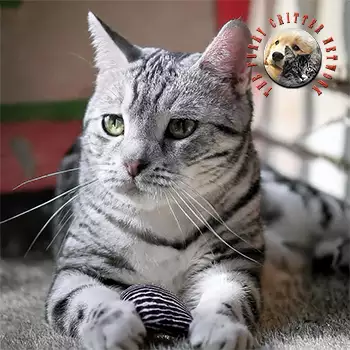

Cats age at different rates, but most veterinary professionals consider a cat to be entering its senior years around ten to twelve years of age. For the American Wirehair, a breed with a typical lifespan of fourteen to eighteen years, the transition into senior status is often gradual and may not be accompanied by dramatic changes. Many American Wirehairs remain active and engaged well into their teens, thanks to the breed's generally robust constitution and even temperament.
The distinction between senior and geriatric is worth noting. A senior cat, roughly ten to fourteen years old, may show only subtle signs of aging such as slightly reduced activity, a preference for warmer resting spots, or minor changes in coat texture. A geriatric cat, typically fifteen years and older, is more likely to experience significant age-related conditions including arthritis, kidney disease, and sensory decline. Understanding where your cat falls on this spectrum helps guide the level of monitoring and care adjustment required.
One of the challenges of recognizing aging in cats is their instinct to mask discomfort and vulnerability. A cat that appears perfectly healthy may be quietly managing early-stage kidney disease, dental pain, or joint stiffness. This is why the transition to twice-yearly veterinary examinations is strongly recommended once a cat reaches senior status. More frequent check-ups increase the chances of catching problems when they are most treatable.
Owners who have maintained a health journal throughout their cat's adult years will find it especially valuable during the senior transition. Subtle changes in weight, water consumption, litter box habits, and sleep patterns may be imperceptible on a daily basis but become clear when reviewed over weeks or months. These observations provide your veterinarian with crucial context that a single examination cannot capture.