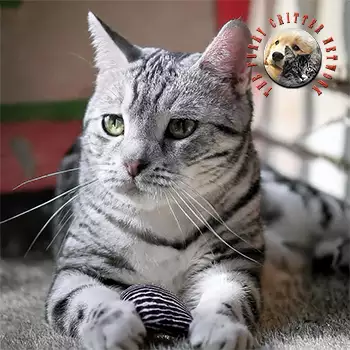

Breeding an American Wirehair is a significant undertaking that requires careful planning, financial commitment, and a deep understanding of the breed. Before considering a breeding program, prospective breeders should evaluate their motivations honestly. Responsible breeding aims to improve the breed by producing healthy kittens with sound temperaments and excellent coat quality, not simply to produce more cats. The American Wirehair is a relatively rare breed, and maintaining its genetic health and distinctive characteristics requires knowledge, dedication, and resources.
Both the queen and the stud should undergo comprehensive health screening before breeding. A thorough veterinary examination including blood typing, screening for feline leukemia virus and feline immunodeficiency virus, and cardiac evaluation should be completed for both cats. Genetic testing, where available, helps identify carriers of hereditary conditions that could be passed to offspring. Only cats that are in excellent physical health with stable, friendly temperaments should be considered for breeding.
Age and physical maturity are important factors in determining breeding readiness. While cats can reach sexual maturity as early as five months, a queen should not be bred until she is at least one year old and has reached full physical development. Breeding a cat that is too young risks complications during pregnancy and delivery and places undue stress on a body that has not finished growing. Males used for stud should similarly be fully mature and in peak physical condition.
The American Wirehair's defining characteristic, its wiry coat, is controlled by a dominant gene, meaning that only one copy is needed to produce the trait. When planning pairings, breeders consider coat genetics alongside health, temperament, and conformation. Outcrossing to American Shorthairs is permitted by some registries and can help maintain genetic diversity in this small breed population. Understanding the genetics behind the wire coat and working within registry guidelines ensures that breeding decisions support the long-term health of the breed.