
The Weaning Transition

Weaning is one of the most critical and sometimes stressful transitions in a young Yellow-Faced Parrotlet's life. This process typically begins around six to seven weeks of age and may not be fully complete until the bird is nine to twelve weeks old, depending on the individual. Rushing the weaning process can cause malnutrition, weight loss, and lasting psychological stress, while allowing it to proceed at the chick's natural pace produces a healthier, more confident juvenile bird.

The first signs that a chick is ready to begin weaning include active interest in solid foods, mouthing and picking at items placed in the brooder or cage, and a gradual decrease in the enthusiasm or volume consumed during hand-feeding sessions. These behavioral cues are far more reliable than calendar age alone. Some Yellow-Faced Parrotlet chicks initiate interest in solids as early as five weeks, while others show little inclination until seven or eight weeks. Forcing solid foods on a chick that is not developmentally ready creates negative associations that can complicate the process.

Introduce weaning foods gradually alongside continued formula feedings. Appropriate first foods include warm, softened pellets, finely chopped leafy greens, small pieces of soft fruit such as banana or papaya, and sprouted seeds. Scatter these items on a shallow dish or directly on a clean surface where the chick can explore and experiment without pressure. The chick will initially play with food more than eat it, picking up pieces, tasting them, and often dropping them. This exploratory phase is normal and necessary for the chick to learn what constitutes food.

As the chick begins consuming measurable quantities of solid food, formula feedings can be reduced in frequency and volume. Most breeders drop the midday feeding first, maintaining a morning and evening formula session as a nutritional safety net. Eventually the morning feeding is eliminated, leaving only a single evening formula meal. The final formula feeding should not be removed until daily weight checks confirm the chick is maintaining or gaining weight on solid food alone. A weight drop of more than 10 percent from the chick's peak pre-weaning weight is a signal that the weaning pace needs to slow down, and supplemental formula feedings should be temporarily reinstated.

Fledging & First Flight

The fledging period represents a transformative milestone for the juvenile Yellow-Faced Parrotlet. First flight typically occurs between seven and nine weeks of age, when the wing and tail feathers have grown sufficiently to support sustained, controlled aerial movement. In the wild, fledging is a gradual process during which the young bird makes progressively longer flights from the nest area while still returning to its parents for food and security. Captive fledging should attempt to replicate this graduated approach as closely as possible.

Before the chick's first flight, you will notice a period of intense wing flapping while the bird is perched or standing. These exercises, which can appear almost frantic, build the pectoral and flight muscles and give the chick practice coordinating its wing movements. Allow plenty of space and a safe, cushioned environment during this preparatory phase, as the chick may launch itself unexpectedly during a vigorous flapping session. Remove hazards such as open water containers, ceiling fans, windows without coverings, and other pets from the fledging area.

The first flights are typically short, clumsy, and end with ungraceful landings. This is entirely normal. The chick is learning to coordinate takeoff thrust, directional control, altitude management, and landing deceleration simultaneously, and mastery of these skills takes days to weeks of practice. Provide multiple landing options at varying heights, including low perches, flat surfaces, and padded areas where a rough landing will not cause injury. Avoid clipping the wings during this developmental stage, as the experience of learning to fly is critical for physical coordination, spatial awareness, and psychological confidence.

As flight skills improve over the following weeks, the juvenile will become increasingly agile and adventurous. This growing mobility brings new safety considerations. The bird's living space must be carefully bird-proofed, with attention to toxic houseplants, exposed electrical cords, open toilets, kitchen hazards, and gaps behind furniture where a small parrotlet could become trapped. Supervised flight time outside the cage should become a daily routine, providing essential exercise and environmental enrichment while reinforcing the bond between the bird and its caregiver.

Fledging also carries significant psychological benefits that extend far beyond physical fitness. Birds that are allowed to fledge naturally develop stronger problem-solving abilities, greater self-confidence, and better stress resilience compared to birds that are wing-clipped before ever learning to fly. For a species like the Yellow-Faced Parrotlet, which can be prone to nervousness in unfamiliar situations, the confidence gained through successful fledging experiences is particularly valuable for long-term behavioral health.

Feather Development & First Molt

The juvenile Yellow-Faced Parrotlet undergoes dramatic changes in plumage during its first several months of life. The soft, somewhat dull juvenile feathering that replaced the natal down is itself gradually replaced by the first set of adult-type contour feathers through the process known as the first molt. Understanding the timeline, nutritional demands, and behavioral effects of this molt helps caregivers support the bird through what can be a physically taxing transition.

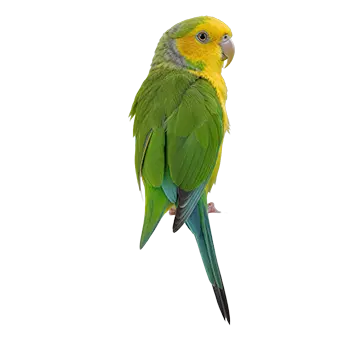
Juvenile Yellow-Faced Parrotlets begin showing the characteristic yellow facial coloring that defines the species, but the intensity and extent of this color in juvenile plumage is typically muted compared to what a fully mature adult will display. Males begin to show blue coloring on the rump, lower back, and wing coverts during the juvenile period, while females generally lack these blue markings or show them in a much-reduced form. Observing these emerging plumage differences provides an early indication of the bird's sex, though DNA sexing remains the only definitive method for very young birds.

The first molt typically begins between three and five months of age and can take several weeks to complete. During this period, feathers are shed and replaced in a gradual, symmetrical pattern that preserves the bird's ability to fly and maintain body temperature throughout the process. Pin feathers, which appear as waxy, sheathed projections, emerge to replace fallen feathers and can cause noticeable discomfort as they grow in. A bird going through its first molt may be more irritable, less tolerant of handling, and more prone to preening than usual.

Nutritional support during the molt is essential. Feather production is a protein-intensive process, and the bird's dietary needs increase substantially during active molting. Ensure the diet includes high-quality pellets formulated for small parrots, along with protein-rich foods such as cooked egg, sprouted legumes, and dark leafy greens that provide amino acids, calcium, and other minerals needed for strong feather growth. A cuttlebone or mineral block should be continuously available. Bathing opportunities should also increase during the molt, as warm misting or shallow bathing helps soften feather sheaths and soothe the skin, making the bird noticeably more comfortable.

Behavioral Development & Training Foundations

The juvenile period is the most formative time for establishing the behavioral patterns and training foundation that will define the Yellow-Faced Parrotlet's temperament for the rest of its life. Between approximately eight weeks and six months of age, the bird's brain is developing rapidly, forming neural pathways that make learning faster and more durable than it will be at any later stage. Investing time and consistency in training during this window yields disproportionate returns.

Step-up training should be among the first skills taught. Using a calm, steady hand or a perch held at chest level, gently press against the bird's lower abdomen just above the feet while giving a consistent verbal cue. Most juvenile parrotlets learn this basic command within a few days of patient, repeated practice. Reward compliance immediately with verbal praise and a small treat. Yellow-Faced Parrotlets respond well to positive reinforcement and are intelligent enough to understand the connection between their action and the reward when the timing is consistent.

Biting behavior often emerges or intensifies during the juvenile and adolescent period as the bird tests boundaries and explores its social environment through its beak. It is crucial not to react dramatically to bites, as an exaggerated response can inadvertently reinforce the behavior by providing excitement or attention. Instead, respond with a neutral facial expression and a calm, firm verbal cue, then briefly withdraw attention. Over time, the bird learns that biting does not produce the reaction it was seeking. Physical punishment of any kind is not only cruel but counterproductive, as it erodes trust and can create a bird that bites out of fear rather than curiosity.

Target training, recall training, and simple trick training can also begin during the juvenile period. These exercises serve a dual purpose. They provide mental stimulation that satisfies the Yellow-Faced Parrotlet's considerable intelligence, and they strengthen the cooperative relationship between bird and caregiver. Training sessions should be kept short, no more than five to ten minutes at a time, and should always end on a positive note. If the bird becomes frustrated or distracted, conclude the session with a task the bird already knows how to perform so that the final interaction is a success.

Adolescent Yellow-Faced Parrotlets may also go through a period sometimes described as the bluffing stage, characterized by increased nippy behavior, resistance to handling, and general testiness. This phase, which typically occurs between four and eight months of age, is a normal part of maturation and is not a sign that socialization has failed. Maintaining a calm, consistent approach during this period rather than reducing handling out of frustration or discouragement is essential for emerging on the other side with a well-adjusted, trusting companion.

Socialization & Environmental Enrichment

Continued and expanded socialization during the juvenile period builds on the foundation established in the neonatal weeks and determines how confidently the Yellow-Faced Parrotlet navigates its world as an adult. This species, while deeply affectionate with its primary caregiver, can develop one-person bonding tendencies if its social exposure remains too narrow during its formative months. Deliberate efforts to broaden the bird's social and environmental experiences during the juvenile stage help prevent excessive bonding and the territorial aggression that can accompany it.

Introduce the juvenile bird to multiple household members in a controlled, positive manner. Each person should offer the bird treats, speak to it in a calm voice, and, when the bird is comfortable, practice step-up and basic handling. The goal is not to force interaction but to create an environment where the bird views multiple people as sources of safety and reward rather than threats. Visitors to the home can also be incorporated into socialization opportunities, provided the interactions are brief, gentle, and never overwhelming for the bird.

Environmental enrichment is equally important during the juvenile stage. The bird's cage or living space should contain a variety of toys that encourage foraging, chewing, climbing, and problem-solving. Rotate toys regularly to maintain novelty, as parrotlets are intelligent birds that quickly lose interest in objects that remain static. Foraging toys that require the bird to manipulate a mechanism to access food are particularly valuable, as they mimic the mental and physical effort involved in finding food in the wild and keep the bird cognitively engaged.

Exposure to new environments beyond the primary living area helps the juvenile bird develop adaptability. Carrying the bird on your hand or shoulder to different rooms, letting it observe outdoor sights and sounds through a secure window or screen, and providing supervised exploration of safe tabletop play areas all expand the bird's comfort zone. Travel carriers should be introduced during this period as well, with the carrier presented as a safe, treat-associated space rather than something the bird encounters only during stressful trips to the veterinarian.

Auditory enrichment contributes to cognitive development and emotional well-being. Yellow-Faced Parrotlets are not prolific talkers compared to larger parrot species, but they are attentive listeners and many individuals learn to mimic simple words, sounds, or whistled tunes. Playing a variety of music, talking to the bird throughout daily activities, and whistling simple melodies all provide stimulation that engages the bird's auditory processing and can strengthen the social bond between bird and caregiver.

Nutrition for Growth & Development

A juvenile Yellow-Faced Parrotlet's dietary needs differ significantly from both the formula-dependent neonatal stage and the maintenance diet of a fully mature adult. The juvenile period is characterized by rapid growth, feather development, skeletal maturation, and intense physical activity as the bird learns to fly and explore. Meeting the elevated nutritional demands of this stage is essential for the bird to reach its full physical potential and build the reserves that support long-term health.

The dietary foundation should consist of a high-quality pelleted diet formulated for small parrots. Pellets provide balanced nutrition that prevents the selective eating habits common with seed-based diets, where birds pick out their favorite seeds and leave behind the rest, creating nutritional imbalances. During the juvenile stage, pellets should comprise approximately 60 to 70 percent of the total diet by volume. Choose a pellet size appropriate for a small parrotlet, as oversized pellets designed for larger species may discourage consumption.

Fresh vegetables and greens should make up approximately 20 to 25 percent of the daily diet. Dark leafy greens such as kale, Swiss chard, dandelion greens, and spinach in moderation provide calcium, iron, and vitamins A and K. Brightly colored vegetables including sweet potato, carrot, bell pepper, and butternut squash offer beta-carotene and other carotenoids that support immune function and contribute to vibrant feather coloring. Introduce vegetables in various preparations, including raw, lightly steamed, and finely chopped, to determine the individual bird's preferences and to provide textural variety.

Fruits should be offered in smaller quantities, roughly 5 to 10 percent of the diet, because of their higher sugar content. Berries, papaya, mango, apple, and melon are generally well received by parrotlets and provide additional vitamins and antioxidants. Seeds and nuts can be offered as training treats and occasional enrichment items but should not constitute a dietary staple. Sunflower seed, millet, and hemp seed are favorites of most parrotlets, and small slivers of walnut or almond provide healthy fats in controlled amounts.

Clean, fresh water must be available at all times and changed at least twice daily. Some juvenile parrotlets enjoy bathing in their water dishes, which makes frequent replacement even more important to prevent bacterial contamination. A separate shallow dish or misting routine should be established for bathing so that the primary drinking water stays clean. Vitamin and mineral supplementation should be discussed with your avian veterinarian, as over-supplementation can be as harmful as deficiency, particularly with fat-soluble vitamins that accumulate in the body.

Health Monitoring During the Juvenile Period

The juvenile stage presents its own set of health risks and monitoring priorities that differ from both the fragile neonatal period and the steady-state maintenance of adulthood. The bird's immune system is still maturing, its skeletal structure is finalizing, and the stresses of weaning, fledging, and molting all create periods of increased vulnerability. Proactive health monitoring during these months can catch emerging problems before they become serious.

Regular weight tracking remains one of the most valuable tools available to the caregiver. Weigh the bird at the same time each morning using a digital gram scale accurate to at least one-tenth of a gram. Juvenile Yellow-Faced Parrotlets should show a gradual upward trend in weight as they transition from formula to solid food and continue growing toward adult size. A fully grown adult typically weighs between 28 and 40 grams, and the juvenile should approach the lower end of this range by three to four months of age. Sudden weight loss, persistent downward trends, or failure to gain can indicate illness, nutritional deficiency, or incomplete weaning.

Schedule a follow-up veterinary examination at approximately three to four months of age, or sooner if any concerns arise. This visit gives the veterinarian an opportunity to assess the bird's growth trajectory, evaluate feather condition during or after the first molt, and screen for any health issues that may not have been apparent during the neonatal period. Fecal testing for parasites and bacterial cultures may be repeated, and the veterinarian can provide guidance on the bird's diet and husbandry based on its current condition.

Watch for signs of illness between veterinary visits with the same attentiveness applied during the neonatal stage. Fluffed feathers held for extended periods, decreased activity, changes in droppings color or consistency, nasal discharge, labored breathing, and loss of appetite are all signals that something may be wrong. Juvenile parrotlets are adept at masking illness, a survival instinct inherited from their wild ancestors, so subtle changes in behavior or routine are often the earliest and sometimes only warning signs.

Skeletal development deserves specific attention during the juvenile period. Calcium and vitamin D3 metabolism are critical for proper bone formation, and deficiencies during this growth phase can lead to metabolic bone disease, a condition characterized by soft or deformed bones, difficulty perching, and in severe cases, pathological fractures. Providing a balanced diet with adequate calcium sources, appropriate UVB lighting exposure to facilitate vitamin D3 synthesis, and avoiding all-seed diets that are high in phosphorus and low in calcium are the primary preventive measures.

Always consult a qualified professional before making any health-related decisions. This content is provided for informational reference only and should not replace professional guidance specific to your animal.