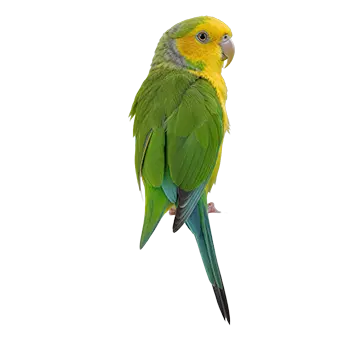

Recognizing when a Yellow-Faced Parrotlet is entering a terminal decline is one of the most difficult responsibilities a caregiver will face, yet it is essential for ensuring the bird's remaining time is managed with compassion and appropriate medical support. Terminal decline can result from the cumulative progression of age-related organ failure, advanced disease that is no longer responsive to treatment, or a sudden catastrophic health event in an otherwise aging bird. In each case, understanding the signs helps caregivers respond thoughtfully rather than reactively.
Progressive weight loss that continues despite adequate food availability and attempts at dietary support is one of the most reliable indicators of terminal decline. A parrotlet that has been gradually losing weight over weeks or months and is no longer responding to nutritional intervention or medical treatment is often experiencing systemic organ failure that has progressed beyond the point where the body can maintain itself. Monitoring weight regularly throughout the senior years establishes the context needed to recognize when weight loss has shifted from a manageable decline to an irreversible trajectory.
Behavioral withdrawal is another hallmark of approaching end of life. A bird that progressively disengages from social interaction, stops responding to familiar voices or routines, ceases playing or foraging, and spends increasing amounts of time sitting quietly in a fluffed posture is signaling that its energy reserves are depleted and its body is shutting down. This withdrawal is not necessarily a sign of pain, though pain may certainly be contributing. It often reflects a profound fatigue that pervades every system and leaves the bird unable to engage with its environment as it once did.
Changes in breathing patterns frequently accompany terminal decline. Increased respiratory rate at rest, audible breathing, open-mouth breathing, or visible abdominal effort during respiration all indicate that the respiratory or cardiovascular system is failing to meet the body's oxygen demands. These signs may develop gradually as chronic disease progresses or appear suddenly in the case of acute events such as cardiac failure or pulmonary hemorrhage. Any significant change in respiratory pattern warrants an urgent conversation with the avian veterinarian about the bird's prognosis and care plan.