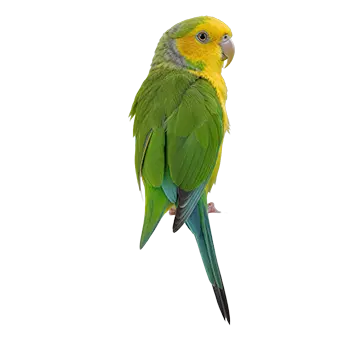

Breeding Readiness & Pair Selection

Successful breeding of Yellow-Faced Parrotlets begins long before eggs are laid, with careful evaluation of the prospective breeding pair's health, maturity, genetic background, and compatibility. This species is less commonly bred in captivity than the Pacific Parrotlet or the Green-Rumped Parrotlet, which means that responsible pair selection carries additional significance for maintaining healthy captive bloodlines and preserving genetic diversity within the avicultural population.

Yellow-Faced Parrotlets should not be bred until they have reached full physical and sexual maturity, which typically occurs between 10 and 14 months of age. Breeding birds that are too young increases the risk of egg binding in underdeveloped hens, poor parental behavior due to psychological immaturity, and smaller clutch sizes with lower hatchability. Both the male and female should be at a healthy weight, free from any signs of illness or nutritional deficiency, and displaying the robust feather condition and active behavior that characterize a bird in peak condition.

Genetic background is a critical factor in pair selection. Because the Yellow-Faced Parrotlet is a relatively uncommon species in aviculture, the captive gene pool is narrower than that of more widely bred parrotlets. Breeding closely related individuals increases the risk of inbreeding depression, which can manifest as reduced fertility, weakened immune function, smaller body size, and increased susceptibility to congenital defects. Responsible breeders maintain detailed records of lineage and actively seek unrelated breeding stock to maintain genetic health within their programs.

Pair compatibility is not guaranteed by simply placing a male and female together. Parrotlets form pair bonds based on mutual selection, and forced pairings can result in aggression, chronic stress, and refusal to breed. The introduction process should be gradual, beginning with housing the prospective pair in separate cages placed side by side so they can see, hear, and interact through the bars without physical contact. Positive indicators of developing compatibility include mutual preening through the cage bars, feeding behavior directed toward the other bird, relaxed body posture in each other's presence, and synchronized activity patterns. Only after these signs are consistently observed should the pair be introduced into a shared breeding enclosure.

Nesting Requirements & Setup

Providing the correct nesting environment is essential for stimulating breeding behavior and ensuring the safety and comfort of the breeding pair and their eventual clutch. Yellow-Faced Parrotlets are cavity nesters in the wild, utilizing tree hollows and similar enclosed spaces for egg laying and chick rearing. The captive nesting setup must replicate the key features of these natural nesting sites while allowing the breeder adequate access for monitoring.

A wooden nest box is the standard choice for parrotlet breeding. The box should measure approximately 8 inches long by 6 inches wide by 6 inches tall, with an entrance hole approximately 2 inches in diameter positioned near the top of one end. This configuration provides the dark, enclosed space that triggers nesting behavior while offering enough interior room for the hen to incubate her clutch and eventually accommodate growing chicks. The box should have a hinged or removable lid that allows the breeder to inspect the nest, check eggs, and monitor chick development without removing the entire box.

The nest box interior should be lined with a layer of clean, untreated pine shavings approximately one to two inches deep. These shavings provide cushioning for the eggs, insulation for temperature stability, and moisture absorption for waste management during the chick-rearing period. Avoid cedar shavings, which release aromatic oils harmful to avian respiratory systems, and avoid paper or cloth substrates that can become dangerously entangled around tiny chick legs. Some breeders add a shallow concavity in the center of the shavings to help prevent eggs from rolling to the edges of the box where they receive less consistent incubation.

The breeding cage itself must be substantially larger than a standard housing cage to accommodate the nest box, the pair's daily activity needs, and eventually the growing chicks before they are removed for hand-rearing or weaned. A minimum cage size of 24 inches long by 18 inches wide by 18 inches tall is recommended for a single breeding pair, with larger dimensions preferable when space permits. Position the nest box in the upper portion of the cage, as parrotlets prefer elevated nesting sites. Ensure the cage is located in a quiet area of the home where the pair will not be disturbed by heavy foot traffic, loud noises, or the presence of other pets that could cause stress.

Environmental conditions play a role in triggering and sustaining breeding behavior. A photoperiod of 12 to 14 hours of light per day, warmer ambient temperatures in the range of 72 to 80 degrees Fahrenheit, increased humidity around 55 to 65 percent, and abundant, high-quality food all serve as reproductive triggers. Many breeders time their breeding cycles to coincide with spring, when natural photoperiod and temperature changes reinforce the hormonal signals that initiate reproductive activity.

The Breeding Cycle & Egg Laying

Understanding the reproductive cycle of the Yellow-Faced Parrotlet helps breeders anticipate each stage and provide appropriate support from courtship through egg laying. The cycle begins with courtship behaviors, progresses through mating and egg formation, and culminates in a clutch that will require careful monitoring throughout incubation.

Courtship behavior in Yellow-Faced Parrotlets includes mutual preening, the male feeding the female by regurgitation, increased vocalization, and the male performing short display flights or bobbing motions near the hen. The female signals receptivity by adopting a crouched, soliciting posture and allowing the male to mount. Copulation is typically brief and may occur multiple times daily over the course of one to two weeks as the hen's reproductive system prepares for egg production.

Following successful mating, the hen will begin spending increasing amounts of time inside the nest box as egg development progresses internally. The first egg typically appears approximately 7 to 10 days after the first observed mating, though this interval can vary between individuals. Yellow-Faced Parrotlets generally produce clutches of four to six eggs, with each subsequent egg laid at intervals of approximately 48 hours. The hen may begin sitting consistently from the first egg, which results in staggered hatching, or she may delay steady incubation until the second or third egg, which narrows the hatching spread.

During the egg-laying period, the hen's nutritional demands increase substantially. Calcium intake is particularly critical, as each egg's shell requires significant calcium deposits that are drawn from the hen's own skeletal reserves if dietary intake is insufficient. Provide a cuttlebone, mineral block, and calcium-rich foods such as cooked egg with crushed shell, dark leafy greens, and fortified pellets. Calcium deficiency during egg laying can lead to soft-shelled eggs, egg binding, seizures, and in severe cases, death. A pre-breeding veterinary examination that includes blood calcium assessment helps ensure the hen enters the laying period with adequate reserves.

Candle each egg within the first week after it is laid to assess fertility. Hold the egg gently against a small, focused light source in a darkened room. A fertile, developing egg will show a visible network of blood vessels radiating from a central dark spot, while an infertile egg will appear uniformly clear or show a thin, homogeneous shadow without vascular development. Remove confirmed infertile eggs after candling at day seven to ten, as they can harbor bacteria as they decompose and pose a contamination risk to the remaining viable eggs.

Incubation & Monitoring

The incubation period for Yellow-Faced Parrotlet eggs lasts approximately 18 to 22 days from the onset of consistent sitting, with most eggs hatching around day 20 under stable conditions. The hen assumes the primary incubation role, remaining in the nest box for the majority of each day and through the night, leaving only for brief periods to eat, drink, and defecate. The male typically stations himself near the nest box entrance during incubation, feeding the hen by regurgitation and acting as a sentinel against perceived threats.

Monitoring incubation progress requires a balance between adequate observation and minimal disturbance. Daily nest box checks are acceptable and important for detecting problems, but they should be conducted quickly, gently, and at a consistent time each day to establish a predictable routine that minimizes stress on the sitting hen. Some hens will leave the box voluntarily when the lid is opened, while others will remain on the eggs and allow visual inspection without displacement. If the hen is agitated by nest checks, limit inspections to every other day and keep them as brief as possible.

Temperature and humidity within the nest box are regulated primarily by the hen's body heat and the ambient room conditions. The ideal ambient room temperature during incubation is between 72 and 80 degrees Fahrenheit, and relative humidity should be maintained around 55 to 65 percent. Excessively dry conditions can cause the egg membranes to toughen, making it difficult for the chick to pip and hatch. If the room is dry, a small humidifier positioned near but not directly on the breeding cage can help maintain appropriate moisture levels.

As hatching approaches, the eggs may show visible signs of the chick's activity inside. Drawdown, where the air cell at the blunt end of the egg enlarges as the chick positions itself for hatching, becomes apparent during the final days. Internal pipping, where the chick breaks through the internal membrane into the air cell and begins breathing air for the first time, precedes external pipping by approximately 24 to 48 hours. External pipping, the first small crack or hole visible on the egg's surface, marks the beginning of the hatching process. From external pip to full emergence typically takes 12 to 36 hours. Resist the urge to assist the hatching process unless the chick has made no progress for more than 48 hours after external pipping, as premature intervention can cause fatal bleeding from blood vessels that have not yet fully retracted.

Caring for the Breeding Pair

The physical demands of breeding take a significant toll on both the hen and the cock, and the breeder's role extends well beyond providing a nest box and waiting for eggs. Active management of the breeding pair's nutrition, health, and stress levels throughout the reproductive cycle is essential for producing healthy chicks and maintaining the long-term well-being of the parent birds.

Diet during the breeding period must be elevated in both quantity and nutritional quality compared to the maintenance diet. The hen's caloric and protein requirements increase substantially during egg production, incubation, and especially during chick feeding, when she is regurgitating significant volumes of food multiple times daily. Provide unlimited access to high-quality pellets, along with increased servings of protein-rich foods such as cooked egg, sprouted seeds and legumes, and dark leafy greens. Soft foods that are easy for the parents to regurgitate for chick feeding should be introduced before hatching so the pair is accustomed to them when the chicks arrive.

The male plays a crucial supporting role during the breeding cycle and his nutritional needs should not be overlooked. He is responsible for feeding the hen during incubation and often assists with chick feeding once the clutch hatches. A cock bird that is nutritionally depleted will provide less support to the hen, potentially leading to chick neglect or failure to thrive. Ensure the male has equal access to all nutritional resources and monitor his weight and condition throughout the breeding cycle alongside the hen.

Stress management is critical during active breeding. The breeding cage should be located in a quiet, low-traffic area away from other birds, pets, or environmental disturbances that could cause anxiety. Limit handling of the breeding pair to the minimum necessary for health monitoring and nest inspection. Avoid rearranging the cage or making environmental changes during incubation and chick rearing, as disruptions during these sensitive periods can trigger nest abandonment or aggression toward the eggs or chicks.

The frequency of breeding cycles must be carefully controlled to protect the hen's health. Producing and laying eggs, incubating, and feeding chicks are profoundly energy-intensive activities that deplete calcium reserves, tax organ systems, and increase vulnerability to illness. Most avian veterinarians and experienced breeders recommend allowing no more than two clutches per year, with a rest period of at least three to four months between cycles. Removing the nest box after chicks are weaned signals to the pair that the breeding period has concluded and helps prevent the hen from producing additional clutches.

Common Breeding Complications

Even with careful preparation and management, breeding Yellow-Faced Parrotlets can present complications that require prompt recognition and intervention. Familiarity with the most common problems encountered during the reproductive cycle allows breeders to respond effectively and, in many cases, prevent complications from becoming life-threatening emergencies.

Egg binding is among the most serious and time-sensitive complications in breeding hens. This condition occurs when a fully formed egg cannot pass through the oviduct and out of the body in the normal manner. Risk factors include calcium deficiency, obesity, inadequate muscle tone from lack of exercise, genetic predisposition, and abnormally large or malformed eggs. A hen that is egg-bound will typically appear fluffed, lethargic, and strained, often sitting low on the cage floor with a visibly swollen abdomen. She may bob her tail with effort and produce little or no droppings. Egg binding is a medical emergency that requires immediate veterinary attention, as the retained egg can compress internal organs, obstruct the intestinal and urinary tracts, and cause fatal peritonitis if it ruptures.

Infertility is a frustrating but not uncommon issue. A clutch consisting entirely of clear, undeveloped eggs after adequate incubation time suggests that mating was unsuccessful, the male is infertile, or the hen is producing eggs that were never fertilized. Contributing factors include an incompatible pair, reproductive immaturity, nutritional deficiency, obesity in either partner, or stress that inhibits mating behavior. If infertility persists across two consecutive clutches, a veterinary reproductive evaluation of both birds is advisable.

Chick mortality in the first days after hatching can occur for a variety of reasons. Parental inexperience, particularly in first-time breeding pairs, sometimes results in inadequate feeding, accidental crushing, or failure to brood the chicks properly. Monitoring chick crops and daily weights helps identify feeding failures early. If the parents are not feeding adequately, the breeder must be prepared to intervene with hand-feeding or to pull the chicks for complete hand-rearing. Congenital defects, bacterial or fungal infections, and temperature instability in the nest box are additional causes of early chick loss.

Aggression between pair mates is another potential complication, particularly during the high-stress periods of egg laying, incubation, and chick rearing. In some cases, one partner may attack the other, causing injuries that range from minor feather damage to severe wounds. If aggression escalates to the point of injury, the birds must be separated immediately and the breeding attempt discontinued. Not all pairs are compatible breeding partners, and forcing an aggressive pairing puts both birds at serious physical and psychological risk.

Ethical Breeding Considerations

Breeding Yellow-Faced Parrotlets carries ethical responsibilities that extend beyond the technical aspects of pair management and chick production. Because this species is classified as vulnerable in the wild due to habitat loss in its restricted range in northern Peru's Maranon Valley, captive breeding programs have an opportunity to contribute meaningfully to the species' long-term survival, but only if conducted with integrity and a commitment to the welfare of both individual birds and the captive population as a whole.

Genetic stewardship is a primary ethical obligation for Yellow-Faced Parrotlet breeders. The relatively small captive population of this species means that every breeding decision has an outsized impact on the genetic health of the population. Breeders should maintain detailed pedigree records, participate in studbook programs or breeder networks when available, and actively seek unrelated breeding stock rather than relying on line-breeding or inbreeding for convenience. The long-term viability of captive Yellow-Faced Parrotlets depends on maintaining sufficient genetic diversity to prevent the accumulation of deleterious recessive traits.

The welfare of breeding birds must never be sacrificed for the sake of production. Hens should be allowed adequate rest between clutches, and no bird should be bred if it is in poor health, underweight, nutritionally depleted, or showing behavioral signs of stress. Forced breeding, where pairs are pushed to produce consecutive clutches without adequate recovery periods, causes cumulative harm to the hen's reproductive organs, skeletal calcium reserves, and overall health. A responsible breeder prioritizes the condition of the parent birds over the number of chicks produced.

Placement of offspring is another ethical dimension that responsible breeders take seriously. Every chick produced should have a confirmed, appropriate home before the breeding is initiated, or the breeder must be prepared to keep and care for any chicks that do not find suitable placement. Selling or giving parrotlets to unprepared owners who lack the knowledge, resources, or commitment to provide lifelong care contributes to the population of surrendered and rehomed birds and ultimately harms the species' reputation in aviculture.

Hybridization between Yellow-Faced Parrotlets and other parrotlet species should be strictly avoided. While interspecific crosses between Forpus species can produce offspring, these hybrids dilute the genetic integrity of both parent species and contribute nothing to conservation goals. Given the Yellow-Faced Parrotlet's vulnerable conservation status, every captive breeding effort should focus exclusively on producing pure-species offspring that could, if circumstances warrant, contribute to future conservation breeding initiatives.

Always consult a qualified professional before making any health-related decisions. This content is provided for informational reference only and should not replace professional guidance specific to your animal.