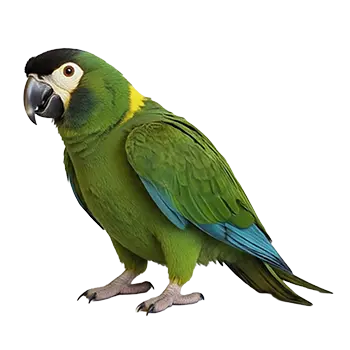

Acknowledging that a Yellow-Collared Macaw has entered the end-of-life stage is one of the most emotionally difficult tasks a companion bird owner faces. After decades of shared daily life, the bond between a parrot and its caregiver runs extraordinarily deep, and the natural impulse to deny or minimize declining health can delay the recognition that the bird's condition has shifted from treatable illness or manageable aging to a terminal trajectory. Understanding the signs that distinguish a bird approaching the end of its life from one experiencing a reversible health setback allows the caregiver to respond with compassion, clarity, and the informed decision-making the bird deserves.
Terminal decline in a Yellow-Collared Macaw may present gradually over weeks or months in the case of progressive organ failure, or it may emerge relatively suddenly following an acute medical event such as a stroke, severe hemorrhage, or cardiac crisis. Gradual decline is typically characterized by a persistent downward trend in body weight despite adequate food availability, progressive loss of muscle mass visible as a more prominent keel bone, increasing lethargy and withdrawal from social interaction, reduced or absent vocalization, a dulling of the plumage, and a growing reluctance or inability to move around the cage or maintain a normal perching posture.
Clinical indicators that your avian veterinarian may identify during an examination include severely compromised organ function reflected in blood chemistry values that no longer respond to medical management, advanced cardiovascular disease evidenced by labored breathing or fluid accumulation, widespread neoplasia confirmed by imaging or biopsy, or neurological decline that impairs the bird's ability to eat, drink, or maintain balance. When your veterinarian communicates that a condition is no longer responsive to treatment or that available treatments would impose a burden on the bird that outweighs the potential benefit, the conversation has shifted from curative medicine to palliative care.
Accepting this shift does not mean giving up on your bird. It means redirecting your energy from fighting the disease to maximizing the bird's comfort and quality of life for the time that remains. This distinction is profoundly important, because the measures that make a bird most comfortable at the end of life are sometimes different from those aimed at extending life, and pursuing aggressive treatment in a terminally ill bird can inadvertently increase suffering through the stress of repeated veterinary visits, medication administration, and procedures that offer diminishing returns.