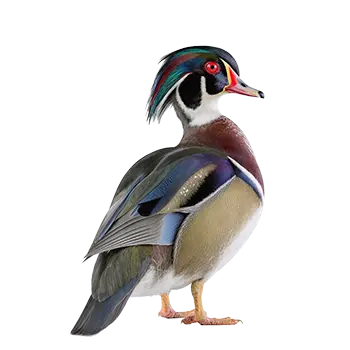

Recognizing the Aging Wood Duck

While wild Wood Ducks rarely survive beyond three to four years due to predation, disease, and environmental hazards, captive individuals frequently reach eight to twelve years and occasionally surpass fifteen. The aging process in captive Wood Ducks is gradual, and recognizing its early signs allows caregivers to make proactive adjustments to housing, diet, and management that preserve comfort and extend quality of life. Unlike mammals, birds do not gray or wrinkle with age, so the indicators of senescence tend to be functional rather than cosmetic.

One of the earliest signs of aging in a Wood Duck is a subtle decline in activity level. A bird that was previously among the first to reach the feeding station, the most enthusiastic swimmer, or the most active participant in courtship displays may begin to lag behind its flock mates. This reduced vigor often manifests gradually over months or even years, making it easy to overlook unless the caregiver has baseline behavioral observations from the bird's prime adult years. Maintaining records of individual bird behavior, even informal notes, provides a valuable reference for detecting these slow changes.

Plumage quality may begin to decline in older Wood Ducks, particularly during and after the annual molt. Replacement feathers may grow in more slowly, appear less vibrant, or show structural abnormalities such as stress bars, which are horizontal lines of weakness across the feather vane caused by brief interruptions in feather growth. In drakes, the iridescent head plumage may lose some of its brilliance, and the overall plumage may appear slightly dull compared to younger males in the same flock. These changes reflect the gradual decline in the efficiency of feather follicles and the metabolic processes that support feather growth.

Musculoskeletal changes are common in aging waterfowl. Stiffness in the legs and feet, a slightly uneven gait, reluctance to perch at the heights the bird previously favored, and difficulty with takeoffs and landings all suggest age-related joint degeneration. The hock joints and feet are particularly susceptible to arthritic changes in ducks, compounded by the constant stress of swimming, walking on hard surfaces, and perching. Observing how a senior bird moves, particularly first thing in the morning after a night of inactivity, often reveals stiffness that improves somewhat once the bird has been moving for a period.

Nutritional Adjustments for Older Birds

The nutritional needs of a senior Wood Duck differ from those of a bird in its prime reproductive years, and adjusting the diet to reflect decreased activity, changing metabolism, and emerging health conditions is an important component of geriatric care. The goal shifts from supporting growth and reproduction to maintaining body condition, supporting organ function, and managing chronic conditions that may be developing.

Protein requirements generally decrease for senior birds that are no longer breeding, as the metabolic demands of egg production and the muscle-building needs of active courtship and flight are reduced. A maintenance waterfowl pellet with 14 to 15 percent protein is typically appropriate, though the protein level should be temporarily increased during the molt, when feather replacement still demands substantial amino acid resources regardless of the bird's age. Feeding excessive protein to sedentary senior birds contributes to kidney stress and can accelerate the gout that is relatively common in aging waterfowl.

Caloric intake may need to be managed more carefully in senior Wood Ducks than in younger birds. Older, less active birds are prone to obesity, which exacerbates joint problems, strains the cardiovascular system, and in females can contribute to reproductive complications such as egg binding if the bird is still cycling. Monitoring body condition by periodically handling the bird and assessing the muscle and fat coverage over the keel bone provides a more accurate picture of condition than visual observation alone, since feathers can mask significant weight changes.

Supplementation becomes increasingly important as the digestive efficiency of older birds declines. Vitamin and mineral absorption may be reduced in the aging gut, and supplementing with a waterfowl-appropriate vitamin and mineral powder added to the feed or water helps ensure adequate micronutrient intake. Omega-3 fatty acids, available through the addition of small quantities of flaxseed or fish oil to the diet, may support joint health and reduce inflammation in arthritic birds. As always, supplementation should be discussed with an avian veterinarian to avoid imbalances.

Feed presentation may need to be modified for senior birds with dental or bill wear, reduced mobility, or lower social standing within the flock. Soaking pellets in warm water to soften them makes eating easier for birds with bill damage or weakness. Offering feed in low-profile dishes at ground level accommodates birds that can no longer easily reach elevated feeding stations. Providing dedicated feeding opportunities for senior birds, either by separating them briefly during feeding time or by placing additional feeding stations in quiet areas of the enclosure, ensures they receive adequate nutrition without being outcompeted by younger, more dominant flock mates.

Habitat Modifications for Comfort

As Wood Ducks age and their mobility declines, modifications to their living environment can significantly improve comfort and reduce the risk of injury. The changes need not be dramatic, but thoughtful adjustments to perching, water access, ground surfaces, and shelter can make a meaningful difference in an older bird's daily experience and willingness to remain active and engaged with its environment.

Perching adjustments are often the first modification needed. Senior Wood Ducks that once roosted on high branches may begin to struggle with the climb up or the jump down, risking falls that can cause sprains, fractures, or wing injuries. Providing lower perching options, ideally no more than two to three feet off the ground, allows the bird to continue perching safely. Wider perches with a textured surface are easier for arthritic feet to grip than narrow, smooth branches. Ramps or stepped platforms leading to perching areas also help birds with reduced jumping ability access their preferred roosting spots without the risk of injury.

Water access requires particular attention for senior waterfowl. A pond or pool with steep, slippery sides that a young bird navigates effortlessly can become a trap for an older bird with weakened legs. Gradual, non-slip entry and exit ramps ensure that the senior bird can get in and out of the water safely. If the bird shows reluctance to swim or struggles visibly when entering or leaving the water, consider providing a smaller, shallower pool dedicated to the older bird, where the water depth and access points can be optimized for its abilities.

Ground surfaces throughout the enclosure should be evaluated with the senior bird's foot health in mind. Arthritic feet are more susceptible to bumblefoot, and hard surfaces such as concrete, gravel, and compacted soil increase the mechanical stress on already-compromised foot pads. Soft, natural substrates like grass, sand, or deep leaf litter provide cushioning and reduce injury risk. In sheltered areas where the bird rests, a layer of clean straw or wood shavings provides insulation from cold ground and additional padding for tender joints.

Shelter becomes more important as a bird ages. Senior Wood Ducks may have reduced thermoregulatory capacity and be more susceptible to temperature extremes, wind chill, and wet weather. Providing an enclosed shelter with good ventilation but protection from drafts, rain, and direct sun gives the older bird a retreat where it can rest comfortably in all weather conditions. During winter in cold climates, supplemental heat in the shelter area may be warranted for birds that show signs of cold stress such as prolonged fluffing, foot tucking, or reluctance to leave the shelter.

Common Geriatric Health Conditions

Senior Wood Ducks are susceptible to a range of age-related health conditions that are uncommon or rare in younger birds. Awareness of these conditions, their early signs, and the available management options allows caregivers to intervene promptly and maintain the bird's comfort and quality of life for as long as possible. Regular veterinary examinations become even more important during the senior years, as many geriatric conditions are progressive and benefit from early detection.

Articular gout is one of the most common and debilitating conditions in aging captive waterfowl. It results from the deposition of uric acid crystals in the joints, causing swelling, pain, and progressive loss of mobility. The feet and hock joints are most frequently affected, and the bird may develop visible white or chalky deposits around the affected joints. Gout is associated with chronic kidney dysfunction, high-protein diets, dehydration, and genetic predisposition. Management involves reducing dietary protein, ensuring constant access to clean drinking water, providing anti-inflammatory medications as prescribed by a veterinarian, and maintaining soft, warm substrates that minimize pressure on affected joints.

Cataracts and other forms of visual impairment occur in some senior Wood Ducks, manifesting as a cloudy or opaque appearance to one or both eyes. Reduced vision affects the bird's ability to navigate its environment, locate food, detect predators, and maintain social interactions. Birds with suspected visual impairment should be housed in familiar, stable environments where the layout of perches, feed stations, and water features does not change, allowing the bird to rely on spatial memory. Removing obstacles that could cause collisions and ensuring that food and water are always in the same accessible locations helps visually impaired birds maintain independence.

Reproductive disorders can persist into the senior years for hens that continue to cycle, which some captive Wood Ducks do well past their prime breeding age. Egg binding, internal ovulation, yolk peritonitis, and oviductal prolapse are all more likely in older hens whose reproductive tract has lost muscle tone and whose calcium metabolism may be impaired. A hen that strains repeatedly without producing an egg, passes oddly shaped or thin-shelled eggs, or displays abdominal distension needs immediate veterinary attention. Hormonal implants or injections that suppress ovulation can be considered for senior hens with recurrent reproductive issues, effectively removing the health risks associated with continued egg production.

Hepatic lipidosis, or fatty liver disease, develops in older, sedentary birds that consume excessive dietary fat or carbohydrates relative to their activity level. The liver gradually accumulates fat deposits that impair its function, leading to lethargy, poor feather condition, greenish discoloration of the droppings, and in advanced cases, sudden death. Blood chemistry panels can detect elevated liver enzymes before clinical signs appear, underscoring the value of routine blood work in senior birds. Treatment involves strict dietary management, reducing fat and simple carbohydrate intake while increasing activity levels to the extent the bird is capable.

Mobility and Activity Management

Managing the activity level of a senior Wood Duck requires a balanced approach that encourages continued movement and engagement without pushing beyond the bird's physical capabilities. Just as with elderly humans, complete inactivity accelerates decline in aging waterfowl. Muscles atrophy, joints stiffen further, cardiovascular fitness deteriorates, and behavioral depression can set in. The goal is to find the level of activity that keeps the bird as functional and alert as possible while respecting its limitations.

Swimming remains one of the best forms of exercise for senior Wood Ducks because water supports the body weight and reduces stress on arthritic joints while providing gentle resistance that maintains muscle tone. Even birds with significant joint degeneration often move more freely and comfortably in the water than on land. Ensuring continued water access, with appropriate modifications for safe entry and exit, should be a priority for any senior bird that is still willing and able to swim. Birds that have stopped swimming voluntarily should be gently encouraged by placing preferred food items on the water surface near the pool's edge.

On land, the senior bird's movement patterns should be monitored for changes that might indicate pain or declining neurological function. A worsening limp, dragging of one foot, circling behavior, head tilt, or sudden loss of coordination can indicate conditions ranging from joint deterioration to inner ear infection to neurological disease. Any acute change in gait or mobility warrants veterinary examination, as some of these conditions are treatable if caught early.

Social engagement is itself a form of activity that benefits senior birds. Birds that maintain their position within the flock, interact with mates or companions, and participate in communal behaviors like group preening and roosting tend to fare better than isolated individuals. However, an aging bird that is being harassed or displaced by younger, more vigorous flock mates may need protection. This can take the form of housing the senior bird with a compatible companion of similar temperament, providing areas of the enclosure where the senior bird can rest undisturbed, or separating it from particularly aggressive individuals.

For birds with severe mobility limitations, ground-level living arrangements may become necessary. A bird that can no longer perch safely or navigate steep terrain can be housed in a smaller, flat enclosure with shallow water access, soft bedding, and food and water within easy reach. While this represents a reduction in environmental complexity, the trade-off is safety and comfort. Even in a simplified enclosure, enrichment items such as floating food on the water, leafy greens to investigate, and a companion bird provide mental stimulation that supports wellbeing.

Veterinary Care for the Senior Bird

Veterinary care for senior Wood Ducks shifts from the preventive focus of the prime adult years to a more interventionist approach that addresses emerging chronic conditions and monitors organ function. The frequency of veterinary visits should increase for older birds, with examinations every six months rather than annually recommended for birds over eight years of age or any bird showing signs of age-related decline. Each visit provides an opportunity to catch developing problems early, adjust medications, and reassess the bird's overall trajectory.

Blood work becomes an increasingly valuable diagnostic tool in geriatric waterfowl. A complete blood count reveals information about immune function, the presence of infection or inflammation, and the bird's hydration status. Biochemistry panels assess kidney and liver function, uric acid levels that correlate with gout risk, calcium and phosphorus balance, and blood glucose. Trending these values over time is more informative than any single result, as gradual changes in organ function may be detectable long before clinical symptoms appear. Establishing a blood work baseline during the bird's healthy adult years provides the reference against which geriatric values can be compared.

Pain management is an area of avian medicine that has advanced significantly in recent years but remains challenging because birds are instinctively adept at concealing pain. An aging Wood Duck with arthritis or other painful conditions may not vocalize or display obvious distress, instead simply becoming quieter, less active, and more withdrawn. Non-steroidal anti-inflammatory drugs such as meloxicam are commonly used in avian patients and can dramatically improve comfort and mobility in arthritic birds. Dosing must be precise and monitored by a veterinarian, as waterfowl metabolize medications differently than other avian species, and long-term anti-inflammatory use carries risks of gastrointestinal and kidney side effects.

Anesthesia and surgical risk increase with age, and decisions about invasive diagnostics or surgical intervention in a senior bird require careful risk-benefit analysis between the caregiver and the veterinarian. Procedures that would be routine in a young, healthy bird, such as abscess drainage, fracture repair, or tumor removal, carry higher complication rates in older patients with diminished organ reserves. In many cases, palliative management that prioritizes comfort over cure is the most appropriate course for a geriatric bird with a condition that would require high-risk surgical intervention.

Quality of Life Assessment

Evaluating the quality of life of a senior Wood Duck is an ongoing responsibility that requires honest observation, emotional resilience, and sometimes difficult decision-making. Quality of life is inherently subjective, but frameworks exist that help caregivers make structured, compassionate assessments rather than relying solely on intuition. Regularly and systematically evaluating the bird's condition protects against both premature intervention and the opposite error of allowing suffering to continue out of attachment or reluctance to act.

A practical quality-of-life assessment for a senior Wood Duck should consider several domains. Physical comfort encompasses pain levels, mobility, the ability to perform basic functions such as eating, drinking, swimming, and preening, and the condition of the feathers, feet, and skin. A bird in chronic unmanaged pain, unable to move without difficulty, or covered in soiled feathers because it can no longer preen effectively is experiencing a poor quality of life in this domain, regardless of other factors.

Behavioral engagement is another critical domain. A Wood Duck that still shows interest in its environment, responds to its mate or companion, displays normal feeding enthusiasm, and engages in species-typical behaviors such as dabbling, preening, and vocalizing is demonstrating psychological wellbeing. A bird that has withdrawn from social interaction, sits motionless for prolonged periods, shows no interest in food or surroundings, and does not respond normally to stimuli is signaling a significant decline in quality of life. The distinction between a bird that is simply resting more due to age and one that has fundamentally disengaged from life requires careful, repeated observation over days and weeks.

The ratio of good days to bad days provides a useful longitudinal perspective. A senior bird that has more good days than bad, where good days include normal eating, some activity, comfortable rest, and social engagement, is likely maintaining an acceptable quality of life. As this ratio shifts and bad days begin to predominate, with bad days characterized by refusal to eat, inability to move comfortably, persistent signs of pain, or distress, the caregiver must consider whether the bird's condition is likely to improve, stabilize, or continue to decline.

Documenting observations in a simple daily log, noting appetite, mobility, social behavior, and any signs of pain or distress, creates an objective record that can be shared with the veterinarian and used to track trends. This record is invaluable when the time comes to make end-of-life decisions, as it provides concrete evidence rather than relying on memory and emotion during what is inevitably a distressing period for the caregiver.

Always consult a qualified professional before making any health-related decisions. This content is provided for informational reference only and should not replace professional guidance specific to your animal.