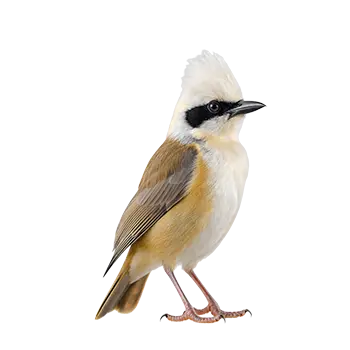

An adult White-crested Laughingthrush requires a nutritionally balanced and varied diet that reflects the omnivorous feeding habits of this species in the wild. In their native range across the Himalayan foothills and Southeast Asian forests, these birds forage on the ground and through understory vegetation for insects, small invertebrates, berries, seeds, and occasionally small vertebrates such as lizards or nestling birds. Replicating this dietary breadth in captivity is the foundation of long-term health and vitality.
The core of the daily diet should consist of a high-quality commercial insectivore or softbill pellet. These formulations are designed to provide balanced levels of protein, fat, vitamins, and minerals that are difficult to achieve through live food and produce alone. Pellets should account for approximately 40 to 50 percent of the total diet by volume. Choose a brand formulated specifically for omnivorous softbills rather than granivorous species, as the protein and fat ratios differ significantly.
Live insects form the most important supplementary component of the adult diet. Mealworms, crickets, waxworms, soldier fly larvae, and small roaches provide high-quality animal protein and essential fatty acids while also serving as a primary source of behavioral enrichment. Scatter live insects through leaf litter or hide them in foraging stations to stimulate the natural ground-foraging behavior that occupies a large portion of a wild laughingthrush's daily activity budget. Gut-load feeder insects with nutritious substrates for at least 24 hours before offering them to maximize their nutritional value.
Fresh fruits and berries complement the pellet and insect components of the diet. Offer a rotating selection that may include blueberries, grapes, diced apple, banana, papaya, and mango. Avoid citrus fruits in large quantities and remove seeds from stone fruits. Dark leafy greens and finely grated vegetables such as carrot and sweet potato provide additional vitamins and fiber. All produce should be washed thoroughly and cut into pieces appropriate for the bird's beak size.
Calcium supplementation is important for adult birds, particularly during the molt and, for hens, in the pre-breeding period. Provide a cuttlebone, mineral block, or calcium-dusted insects regularly. Fresh, clean water must be available at all times in a container that is shallow enough for safe drinking and deep enough for the bathing that these birds enjoy daily. Replace water at least twice daily, as laughingthrushes frequently dip food into their water dishes, contaminating them quickly.