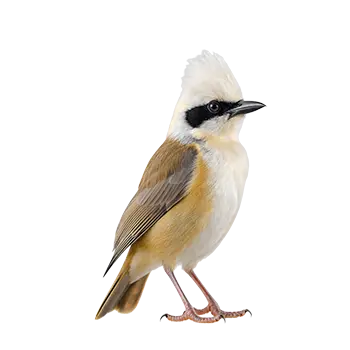

White-crested Laughingthrush Species Guide - Furry Critter Network

White-crested Laughingthrush

Quick Facts

🔬 Scientific Name
Garrulax leucolophus
📊 Care Level
Moderate to Advanced
😊 Temperament
Social, Active, Bold
📏 Adult Size
11-12 inches
⏱️ Lifespan
12-18 years
🔊 Noise Level
Loud
🗣️ Talking Ability
None - Melodious Calls
🍽️ Diet Type
Omnivorous (Softbill)
🌍 Origin
Himalayan Region, South Asia
🏠 Min Cage Size
48x24x36 inches minimum for pair
📐 Size
Medium

White-crested Laughingthrush - Names & Recognition

The White-crested Laughingthrush (Garrulax leucolophus) derives its charming common name from two distinctive features: the prominent white crest adorning the head, and the remarkable laughing-like vocalizations that sound remarkably similar to human laughter. These melodious, bubbling calls often performed in groups create the impression of birds engaged in jovial conversation, inspiring the "laughingthrush" designation applied to numerous species in this taxonomic group. The species is universally known as the White-crested Laughingthrush in aviculture and ornithological literature, with this name instantly evoking both the bird's appearance and vocal characteristics.

Taxonomically, the White-crested Laughingthrush belongs to the genus Garrulax within the family Leiothrichidae (laughingthrushes), a diverse group of passerine birds primarily distributed across Asia. The family Leiothrichidae was only recently recognized as distinct from the broader "babbler" assemblage, with molecular studies revealing that laughingthrushes represent a separate evolutionary lineage. This family contains numerous species collectively called laughingthrushes, all displaying similar body plans, social behaviors, and vocal characteristics, though the White-crested is among the most commonly kept in aviculture.

The genus Garrulax contains many laughingthrush species including the Greater Necklaced Laughingthrush, Lesser Necklaced Laughingthrush, Rufous-necked Laughingthrush, and numerous others distributed across the Himalayas, Southeast Asia, and adjacent regions. These species display similar morphology and ecology, often creating identification challenges in the field. The White-crested Laughingthrush is among the most distinctive due to its prominent white crest and is one of the most popular species in aviculture.

The scientific name Garrulax leucolophus combines Latin and Greek elements descriptive of the species. "Garrulax" derives from Latin "garrulus" meaning "chattering" or "talkative," perfectly describing the species' vocal nature. "Leucolophus" combines Greek "leukos" (white) and "lophos" (crest), directly referencing the distinctive white crest. The scientific nomenclature thus encapsulates both behavioral and physical characteristics defining the species.

Geographic variation exists across the White-crested Laughingthrush's extensive range, with several subspecies recognized by taxonomists based on differences in size, crest development, and plumage tones. These include Garrulax leucolophus leucolophus (the nominate form from the Himalayas), G. l. diardi (Southeast Asian populations), G. l. belangeri (from Myanmar and Thailand), and possibly others depending on taxonomic authority. In aviculture, subspecies distinctions are rarely maintained, with most captive birds representing mixed ancestry or uncertain geographic origin. The variations are relatively subtle compared to differences among separate Garrulax species.

In aviculture and among bird enthusiasts, White-crested Laughingthrushes are recognized as classic aviary birds, particularly popular among softbill specialists and those maintaining mixed aviaries housing multiple species. They have been kept in captivity for many decades, with established breeding populations ensuring availability without relying on wild-caught birds. Their combination of striking appearance, entertaining vocalizations, active behavior, and relative hardiness (compared to more delicate softbills) has made them enduring favorites.

The common name "Laughingthrush" is somewhat misleading taxonomically, as these birds are not thrushes (family Turdidae) but rather members of their own distinct family. The name arose from superficial resemblances and the historical practice of lumping various passerine groups together. Despite the misnomer, the name has persisted and is universally used. The "laughing" component, however, is entirely appropriate and describes their vocal characteristics perfectly, with the bubbling, chuckling calls genuinely resembling laughter.

White-crested Laughingthrush Physical Description

The White-crested Laughingthrush is a medium-sized, attractively plumed bird measuring approximately 11 to 12 inches in length from beak to tail tip, making it substantially larger than finches and canaries but smaller than toucans. Adults are moderately robust, typically weighing between 80 to 110 grams (approximately 2.8 to 3.9 ounces). The body structure is compact and well-proportioned with relatively large head, medium-length neck, stout body, strong legs, and moderately long tail, creating an overall impression of a sturdy, active songbird.

The most distinctive and immediately recognizable feature is the prominent white crest adorning the head. This crest consists of elongated white feathers extending from the forehead backward across the crown to the nape, creating a striking peaked or swept-back appearance. The crest can be raised or lowered depending on the bird's emotional state, with excited or alarmed birds raising the crest prominently while relaxed birds may have it lying relatively flat. The brilliant white color contrasts beautifully against the darker facial and body plumage, making the crest the species' signature feature visible from considerable distances.

The facial region displays complex, beautiful patterning. The forehead and face are generally brown to olive-brown, with the white crest beginning at the mid-crown. A distinctive black mask extends from the lores (between eye and bill) through the eye and backward along the side of the head, creating bold contrast against lighter areas. This black facial marking gives the bird a somewhat masked appearance. The chin and throat are typically white to pale buff, creating clean contrast with the darker chest and belly.

The body plumage is predominantly warm brown to olive-brown on the upperparts including the back, wings, and tail. The brown tones vary somewhat among individuals and subspecies, ranging from richer chestnut-brown to more muted olive-brown. The wings show slightly darker brown flight feathers with subtle barring or patterning visible in good light. The underparts including the breast and belly are typically grey-brown to olive-grey, creating more subdued coloration than the striking head pattern.

The tail is moderately long, graduated (outer feathers shorter than central feathers), and brown matching the back coloration. The tail is frequently moved and cocked upward during vocalizations and displays, adding to the bird's animated appearance. The tail feathers may show subtle darker barring or edges.

Sexual dimorphism is minimal to absent in White-crested Laughingthrushes, with males and females appearing virtually identical in plumage coloration, crest development, and size. Visual sexing is unreliable or impossible without surgical or DNA sexing. This lack of sexual dimorphism is typical of many laughingthrush species and creates challenges for breeding programs as pairs cannot be formed through visual assessment.

Juvenile White-crested Laughingthrushes resemble adults in basic pattern but display duller, less contrasting colors. Young birds have shorter, less developed crests, less defined facial markings, and overall browner, less distinct plumage. As juveniles mature through their first year, the crest develops fully, facial patterns become more contrasting, and adult plumage achieves full definition. Full adult appearance is typically attained by 12-18 months of age.

The beak is relatively short, stout, and slightly curved, adapted for the omnivorous diet including fruits, insects, and other food items. The beak is typically dark grey to black or horn-colored. The gape (inside of mouth) is often orange to yellow, visible when birds are vocalizing or feeding. The eyes are dark brown, relatively large, and bright, giving alert, intelligent expressions. The legs and feet are sturdy, relatively long, and pinkish-grey to flesh-colored, equipped with the typical passerine toe arrangement providing excellent grasping ability for perching and ground locomotion. The legs appear somewhat long in proportion to body size, facilitating the ground foraging behavior characteristic of the species.

Overall body posture is upright and alert, with birds typically holding themselves horizontally or slightly upright when perched. They move with confidence and purpose, frequently hopping along branches or on the ground while foraging. In peak condition, White-crested Laughingthrushes are handsome birds whose distinctive white crests, bold facial patterns, and warm brown plumage create attractive, eye-catching appearances that photograph beautifully and captivate observers in aviary settings.

Affection Level
White-crested Laughingthrushes are not particularly affectionate toward humans in the traditional sense and do not seek physical contact with people. They are observational birds best appreciated for their beauty, vocalizations, and social interactions with their own species. While they may become accustomed to keepers and show curiosity, they prefer to maintain distance and are not hands-on pets.
Sociability
Extremely social and gregarious birds that absolutely must be kept in pairs or small groups with their own species. They are intensely flock-oriented and suffer profoundly when housed alone. Groups engage in constant social interactions including mutual preening, synchronized calling, foraging together, and coordinated movements. Their social nature is their defining characteristic and essential for wellbeing.
Vocalization
Very vocal birds producing loud, melodious, laughing-like calls that give them their common name. The vocalizations are musical, varied, and often performed in groups with multiple birds calling in chorus. While beautiful to enthusiasts, the volume and persistence make them unsuitable for apartments or noise-sensitive situations. They vocalize frequently throughout the day, particularly at dawn and dusk.
Intelligence
Moderately intelligent birds showing awareness of their environment, learning routines, recognizing keepers, and displaying curiosity and exploratory behavior. They are clever foragers and demonstrate problem-solving when seeking food. While not as cognitively complex as parrots or corvids, they display notable intelligence for passerine softbills and show individual personalities.
Exercise Needs
Very active, energetic birds requiring substantial space for hopping, flying, climbing, and foraging. They are constantly in motion, exploring their environment, and engaging in social activities. They need large flight cages or aviaries allowing natural behaviors including ground foraging and branch hopping. Without adequate space, they become bored, stressed, and may develop health problems.
Maintenance Level
Moderate to high maintenance requiring specialized softbill diet, daily fresh food preparation, regular cage cleaning (though less messy than strictly frugivorous species), extensive social housing with multiple birds, and attention to specific environmental needs. More demanding than seed-eating birds but less extreme than toucans. Suitable for keepers with softbill experience.
Trainability
Essentially not trainable for hands-on interaction or tricks. White-crested Laughingthrushes are aviary birds meant for observation rather than handling. They may become accustomed to keeper routines and accept human presence without panic, but direct training or taming is not appropriate or successful. Their value lies in their beauty, vocalizations, and social behaviors, not trainability.
Independence
Quite independent from humans, requiring no human interaction beyond daily care. Once established in appropriate groups with companions of their own species, they entertain themselves through natural social behaviors, foraging, vocalizing, and exploring. They do not need or want human attention, making them perfect for people who prefer observational birds that thrive with minimal human interaction.

Natural Habitat & Range

The White-crested Laughingthrush possesses an extensive natural range across the Himalayan region and adjacent areas of South and Southeast Asia, inhabiting mountainous and hill forests from northern India, Nepal, Bhutan, and northeastern India eastward through Myanmar, northern Thailand, northern Laos, northern Vietnam, and into southern China. This vast distribution encompasses the Himalayan foothills and lower montane zones, sub-Himalayan regions, and various mountain ranges extending through mainland Southeast Asia, representing adaptation to diverse forested hill environments across a huge geographic area.

White-crested Laughingthrushes inhabit primarily broadleaf evergreen forests, mixed deciduous-evergreen forests, secondary forests, forest edges, bamboo thickets, and scrublands from approximately 2,000 to 8,000 feet elevation, with most populations concentrated between 3,000 and 6,000 feet. They show particular affinity for areas with dense undergrowth, thickets, and tangled vegetation providing cover, combined with more open forest floor allowing ground foraging. Unlike canopy specialists, White-crested Laughingthrushes occupy the forest understory and ground level, spending considerable time hopping through leaf litter and low vegetation.

The species tolerates substantial habitat modification and is commonly found in secondary forests, forest edges, plantations, gardens, and other human-modified landscapes where suitable vegetation structure persists. This adaptability has allowed them to maintain stable populations in many areas despite habitat changes, though they fundamentally require vegetative cover and are absent from completely deforested areas. They are among the more adaptable laughingthrush species, contributing to their success across their range.

In their natural environment, White-crested Laughingthrushes are highly social, gregarious birds living in cohesive flocks of 6-30 individuals year-round. These flocks move through their territories together, maintaining constant vocal contact through their characteristic calls. The flock structure is complex with established hierarchies and individual recognition among members. Birds rarely stray far from their flock mates, and isolated individuals appear distressed and vulnerable. This intense sociality is fundamental to their ecology and represents their most defining behavioral characteristic.

Daily activity patterns involve feeding intensively during morning and afternoon hours with midday rest periods in dense cover. Wild White-crested Laughingthrushes are extremely active, constantly moving birds that hop through undergrowth, scratch in leaf litter, explore vegetation, and engage in animated social interactions including mutual preening, synchronized calling, and coordinated foraging. They are bold and curious, investigating novel objects and situations while maintaining group cohesion. Their movements are often accompanied by constant soft contact calls maintaining flock cohesion.

The vocalizations that give them their common name are frequent, loud, and distinctive. Flocks often engage in group calling sessions where multiple birds call simultaneously or in sequence, creating the bubbling, chuckling, laughing sounds that echo through forests. These vocalizations serve multiple functions including maintaining flock cohesion, territorial advertisement, alarm calling, and social bonding. The calls carry considerable distances through dense vegetation, allowing separated flock members to maintain contact.

The natural diet is omnivorous and varied, including insects and invertebrates (beetles, caterpillars, ants, spiders, snails), fruits and berries from various plants, seeds, and occasionally small vertebrates. They are opportunistic foragers using various techniques including scratching in leaf litter like chickens, gleaning insects from vegetation, picking fruits from branches, and probing bark crevices. Much foraging occurs on or near the ground, though they also feed in shrubs and lower tree branches. This dietary flexibility contributes to their adaptability and success.

Breeding biology involves monogamous pairs nesting within the larger flock structure. Pairs build cup-shaped nests of twigs, roots, and other plant materials placed in dense vegetation, bamboo clumps, or low trees. The female lays 3-5 pale blue to greenish-blue eggs that both parents incubate. Both parents feed chicks regurgitated insects and fruits. Fledglings remain with parents and the flock after leaving the nest, learning foraging techniques and social behaviors.

The conservation status of White-crested Laughingthrushes is classified as Least Concern by the IUCN Red List, reflecting their extensive range, relatively large population, and adaptability to habitat modification. Populations appear stable across most of their range, with the species remaining common in suitable habitat. However, localized threats exist including habitat loss from deforestation, capture for the pet trade (particularly in parts of Asia where they remain popular cage birds), and potential impacts from climate change altering montane forest conditions. Despite current stability, continued monitoring and habitat protection remain important for long-term conservation.

Temperament

The White-crested Laughingthrush possesses a bold, active, highly social, and vocal temperament that makes them fascinating aviary subjects for experienced softbill keepers who appreciate observational birds displaying complex social behaviors. Understanding laughingthrush temperament is essential before considering ownership, as their needs differ substantially from both parrots and simpler finches, requiring commitment to maintaining social groups and appropriate environments.

The absolutely defining characteristic of White-crested Laughingthrush temperament is their intense sociality and absolute requirement for companionship with their own species. These are obligate flock birds that suffer profoundly when housed alone, displaying stress, depression, abnormal behaviors, and compromised health without constant social interaction with other laughingthrushes. Solitary housing is fundamentally cruel and inappropriate for this species. They MUST be kept in pairs minimum, though groups of 4-8 birds are strongly preferred and allow natural flock dynamics and behaviors to emerge.

Within social groups, White-crested Laughingthrushes engage in constant interactions including synchronized calling (where multiple birds vocalize together in remarkable coordination), mutual preening (grooming each other's head and neck feathers strengthening social bonds), coordinated foraging (moving through aviaries together while searching for food), synchronized movements (hopping and flying in coordinated patterns), and other social behaviors that are delightful and fascinating to observe. These interactions represent their natural behavior and are essential for psychological wellbeing.

The social nature creates practical considerations for keepers. Acquiring single laughingthrushes is inappropriate and unethical. Keepers must commit to maintaining multiple birds, accepting the increased space requirements, food costs, and complexity of managing social groups. However, the reward is observing natural flock behaviors that are extraordinarily entertaining and educational, making properly housed groups of laughingthrushes among the most fascinating aviary subjects available.

With humans, White-crested Laughingthrushes are bold and curious but not affectionate or interactive. They learn to recognize their keepers and may show interest in human activities, sometimes approaching aviary fronts to investigate. However, they do not seek physical contact, do not enjoy handling, and remain fundamentally wild in temperament despite being captive-bred for generations. Proper laughingthrush care involves appreciating them as observational subjects whose beauty, vocalizations, and social behaviors provide entertainment without requiring or desiring hands-on interaction.

Activity levels are high and constant. White-crested Laughingthrushes are perpetual motion machines spending their waking hours hopping through vegetation, scratching in substrate (they use their feet to scratch backwards through leaf litter or substrate like chickens seeking insects), exploring their environment, manipulating objects, bathing enthusiastically, and engaging with flock mates. This constant activity requires substantial space and enrichment. Bored laughingthrushes confined in inadequate spaces develop stereotypic behaviors, aggression, or health problems.

Vocalizations are frequent, loud, and distinctive. The characteristic laughing calls are produced individually and in groups, often building into remarkable choruses where multiple birds call in coordination creating bubbling, chuckling sounds that genuinely resemble laughter. These vocal displays are particularly common during dawn and dusk calling periods but occur throughout the day. While the vocalizations are musical and beautiful to enthusiasts, the volume and persistence make them unsuitable for apartments, close neighbors, or noise-sensitive situations. The calls carry considerable distances and may disturb people preferring quiet environments.

Boldness and curiosity are pronounced in White-crested Laughingthrushes. They investigate novel objects, foods, and situations with confidence, making them relatively easy to enrich and entertain. New perches, vegetation, foraging opportunities, or changes to aviary layouts are explored enthusiastically. This curiosity creates opportunities for engaging husbandry including rotating enrichment and providing varied foraging challenges.

Messiness is moderate compared to strictly frugivorous softbills. While their omnivorous diet creates softer droppings than seed-eating birds, the mess is substantially less extreme than toucans or strictly fruit-eating species. Their ground foraging behavior does create scatter and disorder as they fling substrate while scratching, but this is manageable with appropriate aviary design and regular maintenance.

Prospective owners must commit to maintaining social groups (minimum pairs, preferably larger groups), providing substantial aviary space allowing natural behaviors, accepting loud vocalizations, preparing specialized diets daily, and appreciating observational rather than interactive birds. Those meeting these requirements will find White-crested Laughingthrushes among the most rewarding and entertaining aviary subjects available.

Care Requirements

Providing appropriate housing and care for White-crested Laughingthrushes requires substantial space, commitment to maintaining social groups, and understanding of softbill dietary needs. Their requirements are moderate compared to extremely demanding species like toucans but exceed those of simple seed-eating finches, making them suitable for keepers with aviary experience and appropriate facilities.

The minimum cage size for a pair of White-crested Laughingthrushes should measure at least 48 inches long by 24 inches deep by 36 inches tall, though substantially larger dimensions of 6-8 feet long by 3-4 feet deep by 4-6 feet tall are strongly preferred and necessary for groups. These active, ground-foraging birds need both horizontal space for hopping and flying plus vertical height for perching at various levels. For preferred groups of 4-8 birds, provide aviaries measuring minimum 8-10 feet long by 4-5 feet deep by 6-8 feet tall. Anything smaller compromises welfare and prevents natural behaviors.

Bar spacing should be 1/2 to 3/4 inch, appropriate for their medium size while preventing escapes. Welded wire mesh works well for outdoor aviaries. Construction should be sturdy and weather-resistant if housing outdoors. Indoor housing requires adequate ventilation preventing respiratory problems.

Critically important is providing appropriate substrate and ground area. White-crested Laughingthrushes are ground foragers that spend considerable time scratching through substrate seeking insects and food items. Provide deep (2-4 inches) substrate including bark mulch, coconut fiber, leaf litter, or cypress mulch covering substantial floor area. The scratching and foraging in substrate is essential natural behavior that must be accommodated. Change substrate regularly (weekly to monthly depending on group size) maintaining cleanliness while allowing natural foraging.

Temperature requirements are moderate and forgiving. White-crested Laughingthrushes are hardy birds tolerating wide temperature ranges from approximately 50-80°F, making them suitable for outdoor aviaries in temperate climates with appropriate shelter from weather extremes. They are considerably hardier regarding temperature than tropical softbills, tolerating cool conditions well. Provide sheltered areas protecting from rain, wind, and extreme weather. In very cold climates, indoor housing or heated shelter may be necessary.

Perches should vary in diameter from 1/2 to 1.5 inches using natural branches from bird-safe trees. Provide numerous perches at different heights and locations creating complex three-dimensional space. Include some perches near the ground facilitating movement between substrate and elevated positions. Position perches avoiding droppings contaminating food and water below.

Planting and vegetation greatly enhance laughingthrush aviaries. Live or artificial plants, branches with leaves, bamboo clumps, and dense plantings create naturalistic environments encouraging natural behaviors including hopping through foliage, hiding, and exploring. The vegetation provides security and enrichment substantially improving quality of life.

Enrichment is essential and should include substrate for scratching and foraging, hiding live mealworms or other insects in substrate encouraging natural foraging behaviors, varied perches and branches, live or artificial plants, shallow bathing dishes (laughingthrushes bathe enthusiastically), and regular rotation of novel items maintaining interest. Their intelligence and curiosity make enrichment particularly rewarding and necessary.

Daily maintenance includes refreshing food and water (offered in multiple stations for groups), adding insects for foraging in substrate, removing obvious droppings from perches, and general monitoring. Weekly maintenance includes complete substrate changes in foraging areas, thorough cleaning of dishes and perches, and general aviary maintenance. The maintenance is moderate - less demanding than toucan care but more involved than seed-eating finches.

Multiple feeding and watering stations should be provided for groups preventing dominant individuals from monopolizing resources. Ensure all birds have adequate access to food.

Outdoor aviaries work excellently for White-crested Laughingthrushes in appropriate climates, allowing natural behaviors, exposure to natural light and weather, and often breeding success. Provide adequate shelter, protection from predators, and appropriate drainage.

Feeding & Nutrition

Proper nutrition for White-crested Laughingthrushes is moderately complex, requiring omnivorous softbill diet incorporating protein from insects, variety of fruits, and appropriate supplementation. Their diet is less demanding than strictly frugivorous species like toucans but more involved than simple seed-based diets, requiring daily fresh food preparation and attention to balanced nutrition.

The foundation of a captive White-crested Laughingthrush diet should include high-quality commercial softbill pellets or insectivorous bird diet formulated for omnivorous softbills, comprising approximately 40-50% of daily intake. These specialized pellets provide balanced nutrition specifically designed for birds requiring mixed diets. Choose products with moderate iron content (avoiding extremely high-iron formulations but not requiring the ultra-low-iron diets necessary for toucans). Offer pellets in shallow dishes or scattered in substrate for foraging.

Live insects provide essential protein and enrichment, comprising approximately 20-30% of diet. Appropriate insects include mealworms (excellent staple that can be offered live encouraging natural hunting behaviors), crickets (provide variety and activity), waxworms (occasionally, high in fat so offer sparingly), phoenix worms (good calcium source), and other commercially available feeder insects. Offer insects daily, either in dishes or hidden in substrate encouraging natural foraging behaviors. The act of hunting and catching live insects provides important enrichment and exercise.

Fresh fruits provide vitamins, variety, and moisture, comprising approximately 20-30% of diet. Appropriate fruits include papaya, apple (no seeds), grapes, berries (in moderation - while less critical to restrict than for toucans, don't overfeed high-iron berries), melon, banana, and other safe fruits. Chop fruits into appropriate pieces or offer whole for birds to manipulate. Offer fresh fruits twice daily, removing uneaten portions after several hours preventing spoilage.

Fresh vegetables can be offered in small amounts providing additional nutrients. Safe vegetables include grated carrot, sweet potato, leafy greens (in moderation), and other safe produce. However, fruits and insects comprise the primary diet with vegetables being supplemental.

Additional protein sources including hard-boiled eggs (chopped), small amounts of cooked lean meat (occasionally), or commercial insectivore mixes provide variety and ensure adequate protein intake.

While White-crested Laughingthrushes are more iron-tolerant than strictly frugivorous softbills due to naturally consuming insects, moderate attention to iron content remains advisable. Avoid iron-fortified foods and excessive iron supplementation, though the extreme restrictions necessary for toucans are not required. This represents a moderate, sensible approach rather than extreme dietary management.

Calcium supplementation IS important particularly for breeding birds. Provide cuttlebone continuously or lightly dust foods with calcium powder several times weekly. Vitamin supplementation using iron-free bird vitamins helps prevent deficiencies, though varied diets provide many nutrients naturally.

Fresh, clean water must be available at all times in multiple dishes for groups, changed at least daily. Laughingthrushes drink frequently and bathe in water dishes, necessitating frequent changes.

Feeding practices should include multiple feeding stations for groups preventing competition, offering insects scattered in substrate encouraging natural foraging rather than only bowl-feeding, providing varied foods daily ensuring balanced nutrition, and monitoring all individuals have adequate access to food.

The dietary management for White-crested Laughingthrushes is moderate - more demanding than seed-based diets requiring daily fresh food preparation, but substantially less extreme than ultra-low-iron protocols for toucans. Keepers with softbill experience will find the requirements straightforward and manageable.

White-crested Laughingthrush Health & Lifespan

White-crested Laughingthrushes are generally hardy, robust birds compared to more delicate softbill species, displaying good disease resistance and longevity when provided proper care. Their omnivorous diet and adaptability contribute to their relative hardiness, though they remain vulnerable to certain health problems requiring attention to preventive care and appropriate husbandry. Iron storage disease (hemochromatosis), while less severe a concern than in strictly frugivorous species like toucans and mynahs, can still affect White-crested Laughingthrushes when fed diets excessively high in iron. Their omnivorous natural diet includes some iron from insects, making them more tolerant than strict frugivores, but they still benefit from avoiding iron-fortified foods and excessive dietary iron, requiring moderate attention to iron content without the extreme restrictions necessary for toucans. Respiratory infections from bacteria, fungi, or viruses can affect laughingthrushes particularly when housed in drafty, poorly ventilated, or overcrowded conditions, requiring prompt veterinary care with appropriate antimicrobial therapy when symptoms including difficulty breathing, nasal discharge, or lethargy develop. Gastrointestinal problems including bacterial or parasitic infections can occur causing diarrhea, weight loss, and abnormal droppings, requiring veterinary diagnosis and treatment with appropriate medications. Parasites including intestinal worms, coccidia, and external parasites may affect birds particularly those newly acquired or housed in outdoor aviaries, requiring veterinary testing and antiparasitic treatments. Obesity can develop in captive birds with inadequate exercise space and excessive high-fat foods, requiring appropriate diet and sufficient aviary size allowing natural activity levels. Bumblefoot, painful foot pad infections, may develop from improper substrate, perching surfaces, or poor hygiene, requiring veterinary treatment and improved husbandry. Feather problems including poor quality, abnormal molts, or feather plucking may indicate stress (particularly from inadequate social housing), disease, or nutritional deficiencies requiring investigation and correction. Vitamin deficiencies particularly vitamin A can occur with imbalanced diets lacking appropriate supplementation, though their omnivorous diet provides some protection. Injuries from aggressive interactions within social groups occasionally occur, requiring separation of incompatible individuals and veterinary attention for wounds.

Preventive care for White-crested Laughingthrushes is straightforward compared to more demanding softbills. Regular veterinary checkups with avian veterinarians familiar with softbill species should ideally occur annually, allowing early disease detection through physical examination, blood work when indicated, and fecal testing for parasites. Proper diet and nutrition including balanced omnivorous softbill diet with appropriate protein from insects, varied fruits providing vitamins, and moderate attention to avoiding excessive iron prevents most nutritional problems while supporting immune function and overall health. Environmental management through appropriate aviary size allowing natural activity and foraging behaviors, proper temperature range (hardy birds tolerating 50-80°F though preferring 60-75°F), adequate ventilation preventing respiratory problems, and social housing with appropriate companions of their own species maintains psychological and physical health. Cage cleanliness with daily substrate changes in foraging areas, regular removal of droppings, and thorough weekly aviary maintenance reduces disease transmission risks. Stress minimization through maintaining stable social groups, avoiding frequent disruptions, providing adequate space and enrichment, and respecting their observational nature supports overall wellbeing. With good care including appropriate diet, proper social housing, adequate space, and preventive health management, White-crested Laughingthrushes typically live 12 to 18 years in captivity, with some individuals potentially reaching 20+ years under excellent conditions. This lifespan is substantial and represents moderate to long-term commitment. The combination of relative hardiness compared to delicate softbills, straightforward care requirements, and reasonable lifespan makes White-crested Laughingthrushes excellent choices for keepers with softbill experience seeking rewarding, hardy aviary birds without the extreme demands of species like toucans.

Common Health Issues

  • Respiratory infections from bacteria - Fungi, or viruses can affect laughingthrushes particularly when housed in drafty, poorly ventilated, or overcrowded conditions, requiring prompt veterinary care with appropriate antimicrobial therapy when symptoms including difficulty breathing, nasal discharge, or lethargy develop.
  • Feather problems including poor quality, abnormal molts, or feather plucking may indicate stress - Particularly from inadequate social housing, , disease, or nutritional deficiencies requiring investigation and correction.
  • Environmental management through appropriate aviary size allowing natural activity and foraging behaviors, proper temperature range - Hardy birds tolerating 50-80°F though preferring 60-75°F, , adequate ventilation preventing respiratory problems, and social housing with appropriate companions of their own species maintains psychological and physical health.

Preventive Care & Health Monitoring

  • Feather problems including poor quality, abnormal molts, or feather plucking may indicate stress - Particularly from inadequate social housing, , disease, or nutritional deficiencies requiring investigation and correction.
  • Vitamin deficiencies particularly vitamin A can occur with imbalanced diets lacking appropriate supplementation - Though their omnivorous diet provides some protection.
  • Regular veterinary checkups with avian veterinarians familiar with softbill species should ideally occur annually - Allowing early disease detection through physical examination, blood work when indicated, and fecal testing for parasites.
  • Proper diet and nutrition including balanced omnivorous softbill diet with appropriate protein from insects - Varied fruits providing vitamins, and moderate attention to avoiding excessive iron prevents most nutritional problems while supporting immune function and overall health.
  • Cage cleanliness with daily substrate changes in foraging areas - Regular removal of droppings, and thorough weekly aviary maintenance reduces disease transmission risks.

Training & Vocalization

Training White-crested Laughingthrushes is not typically emphasized or successful, as these are fundamentally aviary birds meant for observation rather than hands-on interaction. Understanding their vocalizations and appropriate management approaches helps owners appreciate these birds for their natural behaviors while maintaining appropriate relationships.

Taming and direct training are not applicable or appropriate for White-crested Laughingthrushes. These birds do not become finger-tame, cannot learn tricks, and are not suitable for handling. Attempts to force interaction cause severe stress and compromise their wellbeing. They are observational birds whose value lies in their beauty, vocalizations, and fascinating social behaviors within groups, not in physical interaction with humans.

What can be achieved is habituation to keeper presence. With consistent, gentle, predictable care routines, laughingthrushes become accustomed to their keepers and continue natural behaviors including feeding and vocalizing while humans work nearby. They may approach aviary fronts curiously investigating keeper activities, showing their natural boldness and curiosity. This represents successful habituation creating comfortable, non-stressed birds rather than taming creating interactive pets.

Habituation techniques include moving slowly and deliberately around aviaries, speaking softly when approaching, establishing completely predictable daily routines for feeding and maintenance, never making sudden movements or loud noises causing panic, and allowing birds to observe human presence without forced interaction. Over time, birds learn keepers represent no threat and maintain normal behaviors during care routines.

Management training focuses on creating environments and routines facilitating care while minimizing stress. This includes establishing regular feeding times at consistent locations, using specific containers birds recognize for food, and developing routines allowing necessary aviary maintenance without excessive disturbance.

Vocalizations represent the species' most distinctive and appealing characteristic. White-crested Laughingthrushes produce remarkable bubbling, chuckling, laughing-like calls that genuinely sound like jovial conversation. Individual birds call throughout the day, but the most spectacular vocalizations occur during group calling sessions where multiple birds vocalize together in remarkable synchronization. These choruses build in intensity and complexity, creating captivating auditory displays.

The vocalizations serve multiple functions including maintaining flock cohesion through constant contact calling, territorial advertisement toward other groups, alarm calling when threats are detected, and social bonding through synchronized calling strengthening group relationships. The calls are innate and cannot be modified through training.

While beautiful to enthusiasts, the vocalizations are LOUD and carry considerable distances. The dawn and dusk calling periods are particularly intense and prolonged. The volume and persistence make White-crested Laughingthrushes completely unsuitable for apartments, condominiums, close neighbors, or anyone preferring quiet environments. Prospective owners must genuinely appreciate the vocalizations as integral to the species rather than merely tolerating them as unavoidable noise.

Importantly, White-crested Laughingthrushes CANNOT talk or mimic human speech. Despite being intelligent and highly vocal, they lack the vocal structures for speech mimicry. Their vocalizations are limited to their natural laughingthrush calls. Anyone expecting speech will be completely disappointed - the appeal lies in their natural melodious calls, not vocal mimicry.

Prospective owners must accept that these are hands-off aviary birds appreciated for natural vocalizations, social behaviors, and beauty rather than interaction or trainability. Those seeking this type of observational experience will find White-crested Laughingthrushes endlessly fascinating and rewarding.

Children & Other Pets

White-crested Laughingthrushes present moderate compatibility considerations regarding households with children and other pets, as their observational nature and aviary housing requirements create distance from household activities while their vocalizations and space needs affect families.

Regarding children, White-crested Laughingthrushes can coexist successfully in households with children when properly housed in aviaries maintaining appropriate separation. Their medium size (11-12 inches) and aviary housing mean they typically have minimal direct contact with children, reducing risks compared to house-kept birds. Children can observe and appreciate the birds' beauty, vocalizations, and social behaviors while maintaining appropriate distance respecting the birds' nature.

For families with older children and teenagers interested in aviculture, laughingthrushes provide excellent educational opportunities about softbill husbandry, social behaviors in avian species, Himalayan ecology, and specialized aviary keeping. Children can participate in appropriate care tasks including preparing fresh food, offering insects for foraging, observing social interactions, and general aviary maintenance while understanding these are hands-off birds not suitable for handling.

The loud vocalizations affect entire households. Children may initially find the laughing calls amusing and entertaining, though the persistent, loud vocalizations particularly during dawn and dusk may become disruptive to sleep, studying, or quiet activities. Families must ensure all household members can tolerate the vocalizations long-term.

The space requirements and aviary housing typically mean laughingthrushes occupy outdoor spaces or dedicated bird rooms rather than common family areas, creating natural separation from children's activities. This reduces potential conflicts while allowing family members to visit and observe birds when desired.

Concerning other pets, White-crested Laughingthrushes are vulnerable to predation from cats and dogs if outdoor aviaries are not properly secured. Cats represent extreme threats that can reach through inadequate aviary wire or break into poorly constructed enclosures. Outdoor aviaries must have appropriate wire gauge (1/2 inch or smaller), be structurally sound, and ideally have double-entry systems preventing escapes. Dogs may disturb birds through barking or attempting to access aviaries, requiring training and supervision.

With other birds, White-crested Laughingthrushes can be excellent community aviary birds when housed with appropriate species. They coexist well with other medium-sized softbills of similar temperament including other laughingthrush species, sibias, liocichlas, and various Asian softbills. They may also coexist with larger, more peaceful finches or softbills. However, avoid housing with small finches they might bully, aggressive species that might harass them, or ground-feeding species competing for the same niche. Careful species selection and adequate space prevent conflicts.

Their bold, curious nature means they investigate new aviary mates and may initially appear pushy or dominant, though they typically settle into peaceful coexistence once hierarchies establish. Monitor all mixed-species introductions carefully and separate incompatible individuals if problems develop.

Ultimately, White-crested Laughingthrushes are reasonably suitable for family households with appropriate aviary facilities, children old enough to appreciate observational birds, and all family members accepting the loud vocalizations. Their fascinating social behaviors and beautiful calls create educational, entertaining additions to household environments when properly housed.