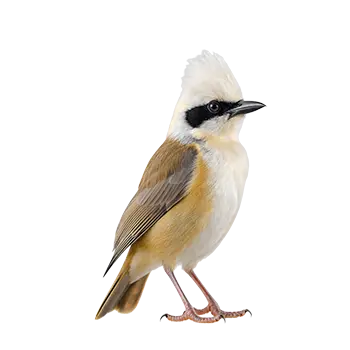

Pair Formation & Compatibility

Successful breeding of White-crested Laughingthrushes begins with the selection and pairing of compatible birds. Unlike many parrot species where pair bonds are immediately obvious through close physical proximity and mutual preening, laughingthrush pair formation can be more subtle and may occur gradually within a flock setting. Observing natural pairing behavior within a group is the most reliable method for identifying compatible mates, as forced pairings between incompatible individuals often result in aggression, failed nesting attempts, or egg destruction.

Sexing White-crested Laughingthrushes is challenging because the species is not sexually dimorphic. Males and females are virtually identical in plumage, size, and overall appearance. Reliable sex determination requires either DNA testing, which can be performed from a blood sample or a freshly plucked feather, or surgical endoscopy performed by an experienced avian veterinarian. Attempting to breed without confirmed sexing risks pairing two birds of the same sex, which leads to infertile eggs in female-female pairings or territorial conflict in male-male pairings.

Once a compatible pair has been identified, evaluate their health status before conditioning them for breeding. Both birds should be in peak physical condition, at a healthy weight, free of parasites, and showing no signs of active illness. A pre-breeding veterinary examination is highly recommended and should include fecal screening, blood work to assess liver and kidney function, and a physical assessment of body condition. Birds that are underweight, overweight, recovering from illness, or in active molt should not be bred until they have returned to optimal condition.

The social context in which the pair is housed can significantly influence breeding success. White-crested Laughingthrushes are cooperative breeders in the wild, and some captive pairs breed more readily when housed within a larger social group where additional birds assist with territory defense, nest watching, and chick rearing. However, not all flock configurations are equally conducive to breeding. Overcrowding, the presence of highly aggressive individuals, or instability in the group's social hierarchy can suppress breeding behavior. Finding the right balance between social stimulation and reproductive privacy is key.

Pre-Breeding Conditioning & Diet

Conditioning White-crested Laughingthrushes for the breeding season involves manipulating environmental cues and dietary composition to trigger the hormonal changes that drive reproductive behavior. In the wild, breeding is typically stimulated by increasing day length and the associated rise in food abundance during the warm, wet season. Replicating these cues in captivity maximizes the likelihood of successful breeding attempts.

Photoperiod manipulation is the primary environmental trigger. Gradually increase the length of daylight exposure over a period of several weeks, beginning approximately six to eight weeks before the desired breeding period. If the birds are housed indoors, use full-spectrum lighting on timers to extend the light period by 15 to 30 minutes per week until the photoperiod reaches 13 to 14 hours of light. Outdoor birds in temperate regions will naturally experience this increase during spring, and the keeper's role is primarily to ensure that artificial lighting does not counteract the natural cycle.

Dietary enrichment during the conditioning period focuses on increasing protein and calcium availability. Substantially increase the provision of live insects, offering a wider variety and greater quantity than the maintenance diet provides. Crickets, mealworms, waxworms, fly pupae, and small earthworms all contribute to the protein surge that supports egg production in the hen and sperm quality in the cock. Begin dusting insects with a calcium and vitamin D3 supplement daily, and ensure that a cuttlebone or mineral block is continuously available.

Egg food, a commercially prepared or homemade mixture of cooked egg, bread or biscuit crumbs, and supplementary vitamins, is a valuable conditioning food for breeding softbills. Offer egg food daily during the conditioning and breeding period, as it provides concentrated protein and essential amino acids in an easily digestible format. Some breeders add grated carrot, sprouted seeds, or finely chopped greens to the egg food mixture for additional nutritional diversity.

Monitor the pair closely for behavioral signs that conditioning is progressing. Increased vocal activity, mutual feeding between partners, nest-site investigation, and the carrying of nesting material are all positive indicators. The cock bird may begin performing courtship displays that include crest raising, wing spreading, and escalated calling directed at the hen. These behaviors typically intensify over several weeks before the hen begins constructing the nest in earnest.

Nest Provisioning & Egg Laying

Providing appropriate nesting opportunities is essential for stimulating White-crested Laughingthrushes to proceed from courtship to active breeding. In the wild, these birds build open cup nests in dense vegetation, typically positioned several feet above the ground in thick shrubs or the lower canopy of trees. Captive nesting arrangements should approximate this natural preference as closely as the enclosure allows.

Offer multiple nest site options to allow the pair to exercise choice. Commercial wicker or wire nest baskets, wooden nest platforms, and dense artificial or live plant cover that provides structural support for nest building can all serve as suitable foundations. Position potential nest sites in sheltered, semi-concealed locations within the aviary, away from high-traffic areas and at heights ranging from three to six feet. Avoid sites exposed to direct sunlight during the hottest part of the day, as overheating can cause egg or embryo death.

Provide an abundance of nesting material so the pair can construct the nest cup to their own specifications. Suitable materials include dried grasses, coconut fiber, soft moss, small twigs, and strips of dried leaves. Place the materials in an accessible location on the aviary floor or in a basket near the selected nest site. Both sexes typically participate in nest construction, with the hen taking the lead in shaping the interior cup while the cock contributes structural material to the outer frame. The finished nest is a sturdy, cup-shaped structure lined with fine grasses and occasionally feathers.

The hen typically lays a clutch of three to five eggs, depositing one egg per day until the clutch is complete. The eggs are pale blue or blue-white, sometimes with faint brownish speckling, and are noticeably smaller than those of comparably sized parrot species. Record the date each egg is laid, as this information is essential for calculating expected hatch dates and for identifying eggs that fail to develop on schedule. Handle eggs as little as possible, and when handling is necessary, ensure hands are clean and dry to avoid damaging the eggshell cuticle.

Egg binding, though relatively uncommon in well-conditioned laughingthrushes, is a potential emergency that keepers should be prepared to recognize. A hen that strains repeatedly without producing an egg, becomes lethargic, sits fluffed on the aviary floor, or shows abdominal swelling may be egg-bound. This is a veterinary emergency requiring immediate professional intervention. Risk factors include calcium deficiency, inadequate conditioning, cold environmental temperatures, and the hen's age and reproductive history.

Incubation & Hatching

Incubation in White-crested Laughingthrushes lasts approximately 13 to 16 days, with both the hen and the cock bird sharing incubation duties in most pairs. This biparental incubation is a characteristic feature of the species and ensures more consistent egg temperature maintenance than species where only one sex incubates. In groups with cooperative breeding dynamics, additional flock members may also take turns sitting on the nest, further buffering the eggs against temperature fluctuations.

During the incubation period, minimize disturbance to the nest area. White-crested Laughingthrushes vary in their tolerance of nest inspections, with some pairs accepting brief, careful checks and others reacting with alarm calls, nest abandonment, or egg destruction. Gauge each pair's temperament before establishing an inspection routine. If the birds are tolerant, a brief visual check of the eggs every two to three days is sufficient to confirm that incubation is proceeding normally. If the pair is highly sensitive, limit inspections to what is absolutely necessary and conduct them quickly and quietly.

Egg fertility can be assessed through candling, which involves shining a bright, focused light through the egg to observe internal development. Fertile eggs will show visible vein development and embryo growth by approximately day five or six of incubation. Infertile or early-dead eggs will appear clear or show a blood ring without further development. Remove confirmed infertile eggs from the clutch after candling, but exercise caution when candling eggs from sensitive pairs, as repeated handling may trigger abandonment.

As the hatch date approaches, listen for faint peeping sounds from within the eggs, which indicate that the chicks are beginning to vocalize and position themselves for pipping. The pipping process, during which the chick uses its egg tooth to crack through the shell, can take 12 to 48 hours from the first visible crack to full emergence. Do not intervene in the hatching process unless a chick has pipped but made no progress for more than 24 hours and shows signs of distress. Assisted hatching is risky and should only be attempted by experienced aviculturists or under veterinary guidance, as premature removal from the shell can cause bleeding, yolk sac damage, or infection.

Once hatching is complete, allow the parents to begin feeding and brooding the chicks without interference. Confirm within the first 12 to 24 hours that the parents are actively attending the nest and that the chicks are receiving food, as evidenced by visible food in the crop area when viewed through the thin skin of the nestling's neck. If parental feeding does not commence within this window, be prepared to intervene with hand-feeding to prevent starvation.

Cooperative Breeding Dynamics

One of the most distinctive aspects of White-crested Laughingthrush reproduction is the role of cooperative breeding, a system in which individuals other than the biological parents participate in rearing the young. In wild populations, non-breeding flock members serve as helpers at the nest, contributing to incubation duties, feeding nestlings and fledglings, and defending the nest territory against predators. This cooperative system significantly enhances reproductive success and chick survival rates compared to pairs that breed in isolation.

In captivity, cooperative breeding behavior can be observed when a bonded pair is housed within a larger social group. Helper birds, which may be offspring from previous clutches, same-sex adults, or unrelated flock members, often display intense interest in the nesting process. They may visit the nest frequently, bring food items to the incubating bird or to the nestlings once hatched, and adopt vigilant postures near the nest site. This behavior appears to be deeply instinctual rather than learned, as even hand-reared birds that have never witnessed breeding activity may spontaneously exhibit helping behavior when exposed to active nests.

Managing cooperative breeding in captivity requires careful observation to ensure that helper activity remains beneficial rather than disruptive. In most cases, helpers genuinely assist the breeding pair and contribute positively to chick-rearing outcomes. However, in some situations, over-enthusiastic helpers may disturb the incubating bird, compete with the parents for feeding access to the chicks, or even damage eggs through clumsy nest visits. If a particular helper's behavior appears problematic, temporary separation during the most sensitive phases of incubation and early chick rearing may be necessary, with visual and auditory contact maintained to prevent social stress.

The cooperative breeding system also has implications for breeding program management. Because helpers may suppress their own reproductive activity while assisting a dominant pair, the social dynamics of the group directly influence which birds breed and which do not. Keepers managing breeding programs for genetic diversity must account for this social suppression when planning pairings and may need to restructure group compositions to allow subordinate birds the opportunity to breed.

Breeding Season Health Risks

The breeding season places unique physiological demands on White-crested Laughingthrushes, and certain health risks become elevated during this period. Both the hen and the cock bird undergo hormonal changes that affect behavior, metabolism, and immune function, while the physical demands of egg production, incubation, and chick rearing can deplete nutritional reserves and increase vulnerability to illness. Anticipating these risks and implementing preventive measures is a key responsibility for the breeder.

For the hen, the most significant breeding-related health risk is egg binding, a condition in which a fully formed egg becomes lodged in the reproductive tract and cannot be passed. Egg binding can result from calcium deficiency, insufficient muscle tone in the oviduct, oversized or malformed eggs, cold environmental temperatures, or physical debilitation from prior reproductive efforts. Clinical signs include straining, tail wagging, fluffed posture, inability to perch normally, and abdominal distension. Egg binding is a medical emergency that requires immediate veterinary treatment, which may include calcium and oxytocin administration, manual manipulation, or, in severe cases, surgical removal of the egg.

Reproductive exhaustion is a concern for hens that are allowed to produce multiple clutches in succession without adequate recovery time. Each clutch depletes calcium reserves, taxes the reproductive organs, and draws energy away from the hen's own maintenance needs. Limit breeding to one or at most two clutches per season, and provide a recovery period of at least four to six weeks between clutches during which the hen's diet is enriched and her condition is carefully monitored. If the hen shows signs of condition loss after a clutch, do not permit additional breeding that season regardless of the pair's willingness to re-nest.

Infectious disease risk increases during the breeding season because the stress of reproduction suppresses immune function. Bacterial infections, particularly those affecting the reproductive tract or the gastrointestinal system, may emerge or flare during this period. Maintain rigorous hygiene standards in the breeding enclosure, clean nest boxes and surrounding areas regularly, and remove soiled nesting material promptly. Monitor all breeding birds and chicks daily for signs of illness, and seek veterinary attention at the earliest indication of trouble rather than waiting to see if symptoms resolve on their own.

The cock bird is not immune to breeding-season health issues. Territorial aggression can lead to injuries from conflicts with rival males or even from overzealous courtship displays. Nutritional demands increase for the cock as well, particularly during the chick-rearing period when he is simultaneously feeding himself, provisioning the hen, and delivering food to the nestlings. Ensure that the breeding diet is sufficiently robust to support the entire breeding group's increased caloric and nutritional needs.

Record Keeping & Breeding Program Management

Meticulous record keeping is the backbone of any serious laughingthrush breeding effort, whether the goal is to maintain a self-sustaining private collection or to contribute to coordinated conservation breeding programs. Detailed records enable the breeder to evaluate reproductive success over time, identify patterns that predict good or poor outcomes, manage genetics responsibly, and provide valuable data to the broader avicultural community.

For each breeding attempt, record the identities of the breeding pair and any helpers involved, the date of nest construction, the number of eggs laid and the date of each, candling results and fertility assessments, the incubation period for each egg, hatch dates and hatch weights of chicks, daily chick weight data and feeding observations, fledging dates, weaning dates, and the final disposition of each offspring. This comprehensive dataset transforms anecdotal breeding experience into a structured body of knowledge that improves decision-making with each successive season.

Genetic management becomes increasingly important as captive populations of any species grow. Inbreeding depression, which manifests as reduced fertility, increased susceptibility to disease, and lower chick viability, can develop rapidly in small, closed populations. Maintain a studbook or pedigree chart for all birds in the collection, and avoid pairing closely related individuals. When possible, coordinate with other breeders to exchange unrelated stock, which introduces genetic diversity and strengthens the overall captive population.

Analyze breeding records at the end of each season to identify trends and areas for improvement. Which pairs produced the most viable offspring? Were there environmental factors that correlated with higher or lower fertility? Did dietary changes during the conditioning period appear to influence clutch size or hatch rates? Did cooperative breeding arrangements improve or hinder outcomes compared to isolated pair breeding? These questions, answered through systematic review of well-kept records, drive continuous improvement in breeding management.

For breeders interested in contributing to broader conservation efforts, the White-crested Laughingthrush's status as a relatively common species in captivity provides an opportunity to develop and refine breeding techniques that may be applicable to rarer laughingthrush species. Documenting and sharing successful husbandry protocols through avicultural societies, regional breeding programs, and published literature contributes to the collective knowledge that supports the long-term viability of captive populations across multiple species.

Always consult a qualified professional before making any health-related decisions. This content is provided for informational reference only and should not replace professional guidance specific to your animal.