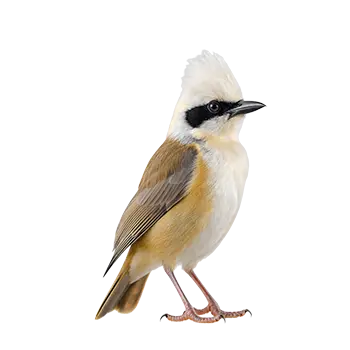

Recognizing Terminal Decline

Recognizing when a White-crested Laughingthrush has entered a terminal decline requires both clinical awareness and an intimate knowledge of the individual bird's normal behavior patterns. The transition from manageable senior health issues to an irreversible decline can be gradual or sudden, and the keeper's ability to distinguish between a treatable setback and the beginning of the end shapes every subsequent care decision. No single symptom definitively signals terminal decline, but a constellation of worsening indicators paints a picture that becomes increasingly clear over time.

Persistent and progressive weight loss that does not respond to dietary intervention is one of the most reliable indicators that a bird's condition is no longer recoverable. When a laughingthrush loses body mass steadily despite adequate food availability and assisted feeding attempts, the underlying cause is typically organ failure, advanced neoplasia, or systemic disease that has overwhelmed the body's ability to process and absorb nutrition. The keel bone becomes increasingly prominent as pectoral muscle wastes, and the bird's overall body silhouette shifts from rounded to angular.

Behavioral withdrawal often accompanies physical decline. A bird that was previously vocal, socially engaged, and active may become progressively quieter, spending long hours in a single spot with feathers fluffed and eyes partially closed. The characteristic laughing calls that define the species may cease entirely. Social interactions with flock mates diminish as the bird loses the energy or inclination to participate in group activities. In some cases, flock mates may also change their behavior toward the declining bird, either avoiding it or remaining unusually close, as if sensing the shift in its condition.

Respiratory changes are common in terminal decline, particularly when the underlying condition involves the air sac system or lungs. Labored breathing, tail bobbing with each respiration, open-mouth breathing at rest, and audible respiratory sounds all indicate that the bird is struggling to maintain adequate oxygenation. These symptoms warrant an urgent veterinary assessment to determine whether the respiratory distress is treatable or whether it reflects end-stage disease progression that palliative measures can only partially alleviate.

Palliative & Hospice Care

When curative treatment is no longer feasible or when further medical intervention would cause more suffering than benefit, the focus of care shifts to palliation. Hospice care for a White-crested Laughingthrush aims to maximize comfort, minimize pain and distress, and preserve whatever quality of life remains for as long as that quality is meaningful. This approach requires ongoing collaboration between the keeper and the avian veterinarian, with both parties committed to the bird's welfare above all other considerations.

Pain management is the cornerstone of avian hospice care. Birds experience pain just as mammals do, though they may express it differently and are often skilled at concealing it. Work with your veterinarian to establish an appropriate analgesic protocol, which may include non-steroidal anti-inflammatory drugs, opioid analgesics, or gabapentin depending on the nature and severity of the bird's condition. Administer medications consistently and on schedule, and report any changes in the bird's pain indicators so the protocol can be adjusted as needed.

Environmental modifications for hospice care focus on eliminating any physical demands that the bird can no longer meet comfortably. Move the bird to a quiet, warm, low-stress enclosure with perches positioned very low or at ground level. Soft, padded substrate on the enclosure floor prevents injury if the bird falls or can no longer perch at all. Maintain ambient temperatures at the warm end of the species' comfort range, as metabolic efficiency declines in terminally ill birds and they lose body heat more easily. Reduce lighting intensity slightly to create a calm, restful atmosphere.

Nutritional support during hospice care may require creative approaches. Offer the bird's preferred food items even if they are not the most nutritionally balanced choices, as the goal at this stage is to encourage any voluntary food intake that sustains the bird. Hand-feeding, syringe-feeding, or offering warm, softened foods directly from the fingers can help a bird that has lost the energy or coordination to feed independently. If the bird consistently refuses food and shows signs of discomfort during feeding attempts, forced feeding may cause more distress than benefit and should be reconsidered in consultation with the veterinarian.

Social needs should be addressed throughout the hospice period. If the dying bird has been part of a flock, consider whether maintaining visual and auditory contact with its companions provides comfort or causes agitation. Many social birds appear calmed by the nearby presence of familiar flock mates, even when they can no longer actively interact. Others may prefer the quiet of a separate space. Let the bird's behavior guide this decision, and be prepared to adjust the arrangement if circumstances change.

The Euthanasia Decision

Deciding when to euthanize a beloved White-crested Laughingthrush is one of the most difficult and emotionally charged decisions a keeper will ever face. There is no universal formula that dictates the right moment, and the decision is deeply personal, shaped by the bird's individual circumstances, the keeper's values, and the veterinarian's clinical assessment. What can be offered is a framework for thinking through the decision with clarity and compassion, so that the bird's welfare remains at the center of the process.

The fundamental question at the heart of the euthanasia decision is whether the bird's suffering outweighs its capacity for comfort and engagement with life. When a bird can no longer eat, drink, or breathe without significant distress, when it shows no interest in its surroundings or companions, when pain cannot be adequately controlled through medical intervention, or when its condition is deteriorating despite all reasonable treatment efforts, the balance has shifted in a direction that warrants serious consideration of humane euthanasia.

Consult your avian veterinarian openly about prognosis and options. An experienced avian practitioner can provide an objective assessment of the bird's condition, explain what the remaining trajectory of the disease is likely to look like, and describe what euthanasia involves. Avian euthanasia is typically performed by intravenous or intraosseous injection of a barbiturate-based solution, which induces rapid unconsciousness followed by cardiac arrest within seconds. The procedure is painless for the bird when performed by a skilled professional. Some veterinarians can perform euthanasia during a house call, which may be less stressful for both the bird and the keeper than transporting a critically ill animal to a clinic.

Avoid the common tendency to delay euthanasia in the hope of a miracle recovery or out of reluctance to let go. While hope is natural and understandable, prolonging the life of a suffering animal beyond the point of meaningful quality serves the keeper's emotional needs rather than the bird's physical ones. Equally, avoid rushing the decision before all reasonable options have been explored. The goal is to find the window in which the bird's suffering is no longer justified by its remaining capacity for comfort, recognizing that this window is not always easy to define with precision.

Some keepers find it helpful to establish a set of objective criteria in advance, well before the crisis point arrives. These might include the inability to eat for a defined period, respiratory distress that does not respond to treatment, complete social withdrawal, or a veterinarian's assessment that pain can no longer be adequately managed. Having these criteria in place, developed during a calm moment in partnership with the veterinarian, can reduce the anguish of making the decision under pressure when emotions are at their most intense.

The Impact on Flock Mates

The death of a White-crested Laughingthrush affects not only the human caregiver but also the surviving members of the bird's social group. These highly gregarious birds form strong bonds with their flock mates, and the loss of a companion can trigger behavioral changes that reflect genuine social disruption. Understanding and managing the flock's response to a death is an important and often overlooked aspect of end-of-life care.

Surviving flock members may exhibit a range of behaviors in the aftermath of a companion's death. Increased vocalization, particularly contact calls directed toward the area where the deceased bird was last seen, is commonly reported and may persist for days or weeks. Some birds become quieter and less active, reducing their participation in foraging, bathing, and social preening. Changes in appetite, sleeping patterns, and perch preferences may also occur as the remaining birds adjust to the altered social dynamics.

If the death occurs within the aviary, some keepers choose to allow surviving flock mates a brief period of contact with the deceased bird's body before removal. While the scientific evidence for whether this provides meaningful benefit to the surviving birds is limited, anecdotal observations from experienced aviculturists suggest that birds given the opportunity to see and approach the body may show less prolonged searching behavior afterward than those from which the body is simply removed without notice. If you choose this approach, supervise the interaction and remove the body within a reasonable time frame.

The social structure of the surviving flock will inevitably reorganize following a death. Dominance hierarchies, pair bonds, and roosting associations may shift as the remaining birds redefine their relationships in the absence of the deceased individual. Monitor the flock closely during this transition period for signs of escalated aggression, as the disruption of established social order can temporarily increase conflict. Provide additional feeding stations, enrichment, and environmental complexity to diffuse tension and give subordinate birds additional options for avoiding confrontation.

Consider carefully whether and when to introduce a new bird to fill the social gap left by the deceased individual. Adding a new bird too quickly may overwhelm the group during an already unsettled period, while waiting too long may allow a single surviving bird to become entrenched in solitary habits that make future social integration more difficult. The appropriate timing depends on the size and stability of the remaining group, the temperament of the surviving birds, and the availability of a suitable companion. Quarantine any new bird thoroughly before introduction, and follow standard gradual introduction protocols to minimize conflict.

Aftercare & Remains

Deciding how to handle the physical remains of a White-crested Laughingthrush after death is a practical matter that also carries emotional significance for many keepers. Several options are available, and the choice depends on personal preference, local regulations, and whether there is a need for diagnostic information about the cause of death.

Necropsy, the avian equivalent of an autopsy, is strongly recommended whenever the cause of death is uncertain or when the bird was part of a larger flock that may be at risk from a contagious condition. A veterinary pathologist can perform a thorough examination of the organs, tissues, and body systems to determine the cause of death and identify any diseases that may pose a risk to surviving birds. Necropsy results contribute to the broader understanding of disease patterns in captive laughingthrushes and can provide invaluable information for the keeper's future management decisions. If a necropsy is desired, the body should be refrigerated, not frozen, and delivered to the veterinary facility as quickly as possible after death to preserve tissue quality.

Cremation is the most commonly chosen method of remains disposition for companion and aviary birds. Many veterinary clinics offer cremation services directly or can refer keepers to a pet cremation provider. Individual cremation, where the bird is cremated separately and the ashes returned to the keeper, is available for those who wish to keep a physical memorial. Communal cremation, where multiple animals are cremated together, is a less costly alternative when ashes return is not desired.

Home burial is an option in areas where local regulations permit it. Choose a location that is not subject to flooding or disturbance, and bury the body at a depth sufficient to prevent scavenging by wildlife, typically at least two to three feet. Some keepers mark the site with a plant, stone, or other memorial marker. If the bird died of a known infectious disease, consult your veterinarian before home burial, as some pathogens can persist in soil and pose a risk to other animals.

Regardless of the method chosen, take whatever time you need to process the loss before making decisions. There is no urgency that requires immediate action beyond basic preservation of the body if a necropsy is planned. The remains can be wrapped in a clean cloth and refrigerated for 24 to 48 hours while arrangements are made, giving the keeper space to move through the initial shock of loss before addressing practical details.

Grief & the Human-Animal Bond

The grief that follows the loss of a White-crested Laughingthrush can be profound, particularly for keepers who have cared for the bird over many years and formed a deep connection with its distinctive personality, vocalizations, and daily presence. The intensity of grief over a bird's death is sometimes underestimated by those who do not keep birds, but within the avicultural community, the emotional bond between keeper and bird is well recognized and respected.

Grief is a highly individual process, and there is no correct timeline or sequence of emotions. Some keepers experience acute sadness immediately following the loss, while others feel numbness that gives way to deeper emotion over subsequent days or weeks. Guilt is a common companion to grief, especially when the death involved a euthanasia decision. Keepers may second-guess their choices, wondering whether they acted too soon or too late, whether a different treatment might have changed the outcome, or whether they could have done more. These feelings, while painful, are a natural part of processing a loss that was within your sphere of responsibility.

Allow yourself the space to grieve without judgment. Speak to others who understand the bond between humans and birds, whether through avicultural societies, online communities dedicated to bird keeping, or friends and family members who respect the significance of the relationship. If the grief feels overwhelming or begins to interfere with daily functioning over an extended period, consider seeking support from a counselor or therapist who has experience with pet loss. The growing field of pet bereavement counseling recognizes that the loss of an animal companion can be as emotionally significant as any other major loss.

Honoring the bird's memory can be a healing component of the grief process. Some keepers create photo albums, write about their experiences with the bird, plant a memorial garden, or make a donation to an avian conservation organization in the bird's name. Others find comfort in channeling their knowledge and experience into mentoring newer bird keepers, ensuring that the lessons learned from years of caring for their bird continue to benefit others. There is no right or wrong way to memorialize a companion, and the most meaningful tribute is the one that feels authentic to the relationship you shared.

Finally, when the time feels right, consider whether caring for another bird is something you wish to pursue. For many experienced keepers, the answer is yes, not as a replacement for the bird they lost but as a continuation of the caregiving relationship that brings meaning and purpose to their lives. The knowledge, skills, and empathy developed through years of aviculture are gifts that a new bird will benefit from directly. Welcoming a new bird does not diminish the memory of the one that came before. Rather, it honors the bond by extending the same quality of care to another life.

Legacy & Continuing the Mission

The loss of a White-crested Laughingthrush, whether a single cherished companion or a valued member of a breeding collection, invites reflection on the broader significance of keeping and caring for these remarkable birds. Every bird that lives well in captivity is a testament to its keeper's dedication, and the knowledge gained through that relationship has value that extends far beyond the individual.

Contributing to the avicultural knowledge base is one of the most meaningful legacies a keeper can leave. Documenting your experiences with White-crested Laughingthrushes, including successes, failures, and lessons learned, and sharing them through avicultural publications, online forums, or local bird clubs enriches the collective understanding of the species and helps other keepers provide better care. Detailed husbandry records, breeding data, and health observations are particularly valuable contributions, as they provide the empirical evidence that underpins best practices in captive management.

For keepers involved in breeding programs, the genetic legacy of a deceased bird lives on in its offspring and their descendants. If the bird contributed to a managed breeding program, ensure that its records are updated and that the program coordinators are informed of its passing. The pedigree information associated with that bird remains a permanent part of the breeding program's records and continues to influence pairing decisions for future generations.

Conservation awareness is another dimension of the legacy. While the White-crested Laughingthrush is not currently classified as globally threatened, many related laughingthrush species face significant conservation challenges due to habitat loss and the cage-bird trade. Using your platform as an experienced keeper to advocate for habitat preservation, sustainable aviculture practices, and responsible pet ownership contributes to the broader effort to protect these birds in the wild.

The end of one bird's life is never truly an ending in the fullest sense. The skills you developed, the knowledge you accumulated, the empathy you practiced, and the community connections you built all persist. These are the enduring contributions of a life spent caring for birds, and they continue to resonate long after any single bird's song has fallen silent.

Always consult a qualified professional before making any health-related decisions. This content is provided for informational reference only and should not replace professional guidance specific to your animal.