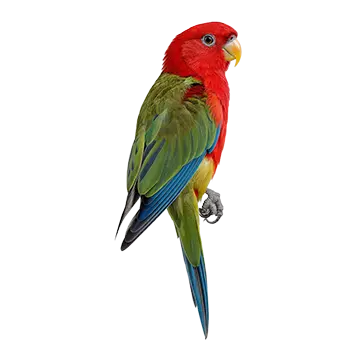

Western Rosella chicks hatch after an incubation period of approximately 19 to 21 days, emerging as small, blind, and nearly naked hatchlings weighing roughly 4 to 6 grams. Like all members of the genus Platycercus, newborn rosellas are altricial and entirely dependent on parental care or a skilled hand-feeder for survival. The chick will be covered in sparse, pale down that offers almost no insulation, making external heat regulation critical from the moment it leaves the egg. During these first hours, the priority is establishing warmth, ensuring the yolk sac has been fully absorbed, and monitoring the chick for any signs of hatching-related distress.
In a parent-raised clutch, the hen will typically begin feeding the chick within the first few hours after hatching. Western Rosella hens are generally attentive mothers, and the cock bird usually assists by delivering food to the hen at the nest box entrance while she remains inside with the brood. The first feedings consist of crop milk and partially digested seed material that provides essential nutrients and beneficial gut flora to the chick. If you observe the hen neglecting a newly hatched chick or if the chick appears cold and unresponsive, intervention may be necessary, but allow the parents a reasonable window before stepping in.
For hand-raised chicks, the first feeding should not be attempted until the yolk sac is fully absorbed, which typically occurs between 8 and 12 hours after hatching. Offering formula before the yolk sac is absorbed can overwhelm the undeveloped digestive system and cause crop stasis or bacterial infection. The first feeding should be a very small volume of thin, well-mixed hand-feeding formula at the correct temperature. Western Rosella chicks are small and delicate, so the feeding instrument, usually a bent spoon or small syringe, must be appropriately sized to prevent overfeeding or aspiration.
During these initial 24 hours, observe the chick closely for signs of viability. A healthy newborn will respond to gentle tactile stimulation near the beak with a feeding response, display a pinkish skin tone indicating adequate circulation, and produce small but visible droppings within the first day. Any chick that appears cyanotic, fails to respond to feeding cues, or shows labored breathing should be seen by an avian veterinarian without delay.