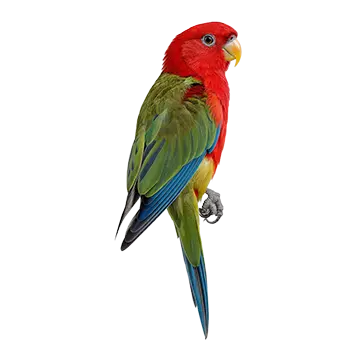

Breeding Readiness & Pair Selection

Successful breeding of Western Rosellas begins long before the first egg is laid, with careful evaluation of the breeding pair's health, maturity, genetic background, and compatibility. Western Rosellas typically reach sexual maturity between 12 and 18 months of age, though physiological maturity does not necessarily indicate that a bird is ready to breed. Most experienced aviculturists recommend waiting until both members of the pair are at least two years old before permitting breeding, as younger birds may produce smaller clutches, exhibit inconsistent incubation behavior, or prove inadequate as parents.

Selecting a breeding pair requires attention to several factors. Confirm the sex of both birds through DNA testing or, in sexually dimorphic adults, through visual assessment. Adult male Western Rosellas typically display brighter, more saturated red and yellow coloration on the head and breast compared to females, whose plumage tends toward a duller, more olive-washed version of the male pattern. However, visual sexing can be unreliable in young adults and certain color mutations, making DNA sexing the definitive method. Avoid pairing closely related birds, as inbreeding increases the risk of congenital defects, reduced fertility, and weakened immune systems in offspring.

Both birds must be in excellent health before breeding is attempted. Schedule a pre-breeding veterinary examination for each bird that includes a complete physical assessment, blood work to evaluate organ function and nutritional status, fecal screening for parasites, and testing for Psittacine Beak and Feather Disease, Polyomavirus, and Chlamydiosis. Breeding places significant physiological demands on both the hen and the cock, and birds with underlying health conditions are at increased risk of egg binding, nutritional depletion, immune compromise, and other complications.

Pair compatibility is not guaranteed simply by placing a male and female together. Western Rosellas, like most parrots, form bonds based on individual preference, and not all introduced pairs will accept each other. Allow the birds to meet through adjacent cages where they can see, hear, and interact through the bars without physical contact. Observe their behavior over a period of weeks. Positive indicators include mutual preening through the cage bars, synchronized feeding, soft vocalizations directed at each other, and relaxed body language in proximity. Aggressive behavior such as lunging, biting at the cage bars, or persistent chasing once the birds are introduced into a shared space indicates incompatibility, and the pairing should be reconsidered.

Courtship & Pair Bonding

The courtship behavior of Western Rosellas follows a pattern that, when understood by the breeder, provides clear signals about the pair's readiness to progress toward nesting. In the wild, Western Rosellas breed during the austral spring and early summer, roughly from September through December in their native southwestern Australia. In captivity, breeding activity is primarily triggered by increasing day length, rising ambient temperatures, and the availability of nesting sites. Breeders in the Northern Hemisphere can either work with the reversed seasonal cues or manipulate photoperiod and temperature to stimulate breeding activity at a desired time.

The male Western Rosella initiates courtship through a series of ritualized displays directed at the female. These include tail fanning, wing dropping to display the colorful back and wing patches, bobbing and chattering vocalizations, and courtship feeding, in which the male offers regurgitated food to the female. Courtship feeding is a particularly important bonding behavior, as it mimics the feeding dynamic that the male will maintain throughout the incubation and early chick-rearing period when the hen is confined to the nest. A female that accepts courtship feeding is generally receptive to the male's advances and progressing toward breeding condition.

The pair bond strengthens through mutual preening, which involves the birds gently grooming each other's head, neck, and facial feathers in areas that are difficult for the individual bird to reach. This behavior serves both a practical hygiene function and a social bonding function. Pairs that engage in frequent mutual preening typically demonstrate stronger nest-site fidelity, more consistent incubation behavior, and better collaborative chick-rearing than pairs that show less affiliative grooming. Observing these behaviors confirms that the pair has formed a functional bond and is likely to proceed successfully through the breeding cycle.

It is important to distinguish genuine pair bonding from tolerance. Two birds housed together that simply coexist without aggression but do not display courtship feeding, mutual preening, or synchronized activity patterns are tolerating each other rather than bonding. Such pairs may eventually breed if conditions are favorable, but the absence of active courtship behaviors often predicts poor breeding outcomes, including abandoned eggs, inconsistent incubation, and neglected chicks. If genuine bonding behaviors do not develop after several months of cohabitation, consider whether the pairing is viable or whether alternative partners should be evaluated.

Nesting Requirements

Providing an appropriate nest site is essential to triggering and supporting the breeding cycle in captive Western Rosellas. In the wild, these birds are obligate cavity nesters, using natural hollows in eucalyptus trees as nesting sites. The captive nesting setup should replicate the key features of a natural tree hollow while providing the access and visibility that the breeder needs to monitor the nest contents without excessive disturbance.

A wooden nest box is the standard nesting provision for captive rosellas. The recommended dimensions for a Western Rosella nest box are approximately 8 to 10 inches square with a depth of 14 to 18 inches, though individual pairs may show preferences for slightly different dimensions. The entrance hole should be approximately 3 inches in diameter, large enough for the adult bird to enter and exit comfortably but small enough to provide a sense of enclosure and security. Position the entrance hole near the top of the box, and attach a ladder or mesh strip to the inside of the front wall below the entrance to allow the hen to descend safely to the nest floor without risking damage to the eggs.

The nest floor should be lined with a layer of non-toxic, absorbent bedding material. Untreated wood shavings, specifically aspen or pine that has been kiln-dried to remove volatile aromatic compounds, are commonly used. Some breeders prefer a base of decomposed hardwood or peat topped with a layer of shavings. The bedding serves multiple functions: it cushions the eggs during incubation, absorbs moisture from droppings, and provides insulation. The depth of the bedding layer should be approximately two to three inches. Some hens will rearrange the bedding to create a concave depression for the eggs, while others lay directly onto the flat surface.

The nest box should be mounted at a height that provides the hen with a sense of security, generally at or near the highest point in the aviary or breeding cage. Attach it securely to the outside of the enclosure with an access panel or hinged lid that allows the breeder to inspect the nest without removing it from its mount. The inspection panel should be positioned so that the breeder can view the eggs and chicks with minimal disturbance. Limit nest inspections to brief, purposeful checks, ideally no more than once daily, and time them to coincide with periods when the hen is off the nest for feeding. Excessive disturbance can cause the hen to abandon the clutch.

Introduce the nest box several weeks before the anticipated onset of breeding activity to allow the pair to investigate, claim, and prepare the site. Both birds will typically inspect the box repeatedly, and the hen may spend increasing amounts of time inside as she approaches laying condition. If the pair shows no interest in the nest box after several weeks, evaluate whether the box is correctly positioned, whether the enclosure is providing appropriate photoperiod stimulation, and whether the pair's nutritional conditioning is adequate to trigger reproductive behavior.

Egg Laying & Incubation

The egg-laying phase begins when the hen deposits her first egg in the prepared nest box, typically laying one egg every two days until the clutch is complete. Western Rosella clutches usually consist of four to seven eggs, though clutches outside this range are not uncommon. The eggs are white, slightly glossy, and roughly oval, measuring approximately 26 by 21 millimeters. The hen may not begin sustained incubation until the second or third egg has been laid, which naturally staggers the hatching dates and results in chicks of slightly different ages within the clutch.

Incubation is performed almost exclusively by the hen, who remains in the nest for extended periods throughout the day and night. The incubation period for Western Rosella eggs is approximately 19 to 21 days from the onset of sustained sitting. The male's role during this phase is to provide food for the hen, delivering meals to the nest box entrance or to a feeding station near the nest. This provisioning behavior is critical, as the hen's reduced foraging time during incubation means she depends on the male for much of her nutritional intake. Ensure that the male has access to a high-quality, nutritionally dense diet so that the food he delivers to the hen meets her increased metabolic demands.

Monitoring the eggs during incubation helps the breeder assess fertility and embryonic development. Candling, the process of shining a bright light through the egg shell to visualize the contents, can be performed after approximately seven to ten days of incubation. Fertile eggs will show visible blood vessel development and a dark embryonic mass, while infertile eggs remain clear or show a uniform, undifferentiated interior. Dead-in-shell embryos may display arrested development with a visible blood ring or no further growth after initial development was observed. Remove confirmed infertile or dead-in-shell eggs to prevent bacterial decomposition that could contaminate the remaining viable eggs.

Egg binding is the most serious acute complication of the laying phase and occurs when a hen is unable to pass a fully formed egg through the reproductive tract. Risk factors include calcium deficiency, obesity, inadequate muscle tone, excessively large eggs, and cold environmental temperatures. Signs of egg binding include straining, fluffing, lethargy, sitting on the cage floor, and cessation of droppings. Egg binding is a life-threatening emergency that requires immediate veterinary intervention. Prevention focuses on ensuring adequate calcium intake, maintaining the hen in good physical condition, and providing an environment warm enough to support the muscular contractions required for egg passage.

Hatching & Parental Care

The hatching process begins when the first chick pips through the egg shell, creating a small initial crack or hole that allows the chick to begin breathing atmospheric air. From the first pip to complete emergence, the hatching process typically takes 24 to 48 hours. During this time, the chick rotates inside the egg, progressively cracking the shell in a circle around the wider end until it can push the cap free and emerge. Resist the temptation to assist the hatching process unless a chick has been actively pipping for more than 48 hours without progress, in which case veterinary guidance should be sought before any intervention.

Newly hatched Western Rosella chicks are small, blind, and covered in sparse white down. They weigh approximately 4 to 6 grams and are entirely dependent on their parents for warmth, feeding, and protection. Because the hen typically begins sustained incubation after laying two or three eggs, the chicks in a clutch hatch asynchronously over a period of several days. This results in a size hierarchy within the brood, with the oldest chicks being larger and more developed than the youngest. In most cases, the parents manage this disparity effectively, but the youngest chick in a large clutch is at increased risk of being outcompeted for food and should be monitored.

The hen provides the majority of direct chick care during the first week, brooding the chicks nearly continuously to maintain their body temperature and feeding them crop milk and regurgitated food. The male continues his role as the primary food provider, delivering food to the hen, who then processes and distributes it to the chicks. As the chicks grow and develop thermoregulatory ability over the following weeks, the hen spends increasing amounts of time off the nest, and both parents may participate in direct feeding. Monitor the chicks' development through brief, non-disruptive daily inspections of the nest, noting the number of chicks, their approximate size, and any visible abnormalities.

Parental behavior varies between individual pairs. Most Western Rosella pairs are competent and attentive parents, but first-time breeders may exhibit inconsistent behavior, including intermittent incubation, rough handling of chicks, or abandonment. If a pair abandons its clutch or chicks, the breeder must decide whether to attempt hand-rearing, which is labor-intensive but feasible with proper equipment and technique, or to foster the eggs or chicks under a proven surrogate pair if one is available. Document the breeding behavior of each pair to build a history that helps predict future performance and guides decisions about which pairs to continue breeding.

Breeding Health & Complications

The breeding cycle places extraordinary physiological demands on both the hen and the cock bird, and awareness of potential health complications allows the breeder to intervene appropriately when problems arise. The hen bears the greater physical burden, as egg production depletes calcium, protein, and energy reserves, while the sustained confinement of incubation reduces her opportunities for exercise, foraging, and exposure to sunlight. The male, while less physically stressed, must maintain an elevated level of activity and food intake to sustain both himself and his mate throughout the incubation and chick-rearing periods.

Calcium depletion is the most significant nutritional risk for breeding hens. Each egg shell requires approximately 1 to 2 grams of calcium carbonate, and a clutch of five to seven eggs can draw heavily on the hen's skeletal calcium reserves if dietary calcium is insufficient. Chronic calcium deficiency during breeding leads to soft-shelled or shell-less eggs, egg binding, seizures from hypocalcemia, and long-term bone density loss. Ensure that cuttlebone and mineral blocks are available at all times during the breeding season, offer calcium-rich vegetables daily, and discuss with your veterinarian whether liquid calcium supplementation is appropriate during the laying and incubation phases.

Chronic egg laying, a condition in which the hen produces repeated clutches without adequate recovery time, can develop if environmental triggers for breeding are not managed. Continuous exposure to long day lengths, abundant food, warm temperatures, and the presence of a nest box can keep the hen in a persistent breeding state that exhausts her nutritional reserves and damages her reproductive tract. Limit breeding to one or two clutches per season by removing the nest box after the final clutch of chicks has fledged and reducing the photoperiod to simulate the shorter days of the non-breeding season. A hen should be rested for at least six months between breeding cycles to allow full physiological recovery.

Infertility can result from a variety of causes, including inadequate nutrition, age-related reproductive decline, hormonal imbalances, reproductive tract infections, and genetic incompatibility between the pair. If a pair produces repeated clutches of entirely infertile eggs, evaluate each potential contributing factor systematically. Verify that copulation is occurring through direct observation if possible. Review the diet for nutritional adequacy. Have both birds examined by an avian veterinarian for reproductive health. If all medical and husbandry factors are optimized and infertility persists, the genetic compatibility of the pair may be the limiting factor, and alternative pairings should be considered.

Infectious disease transmission during breeding is a concern because the close physical contact between paired birds, shared food processing during courtship feeding, and the enclosed nest environment create ideal conditions for pathogen transfer. Diseases such as Chlamydiosis, Psittacine Beak and Feather Disease, and Polyomavirus can be transmitted vertically from parents to chicks through feeding or horizontally within the nest. Pre-breeding health screening for these diseases protects not only the breeding pair but also the offspring and any other birds in the collection.

Responsible Breeding Practices

Breeding Western Rosellas carries an ethical responsibility that extends beyond the technical aspects of pair management and chick production. The decision to breed should be guided by a clear purpose, whether that is the conservation of the species in aviculture, the improvement of breeding stock through selective pairing, or the provision of well-socialized companion birds to carefully screened homes. Breeding without a clear plan for the placement and long-term welfare of the offspring contributes to the surplus of unwanted pet birds and undermines the welfare standards that responsible aviculture seeks to maintain.

Genetic management is a fundamental component of responsible breeding. Maintain detailed records for every breeding pair and every clutch produced, including the parentage, hatch dates, physical characteristics, health history, and placement destination of each bird. These records enable the breeder to track lineage across generations, avoid inbreeding, and make informed pairing decisions that promote genetic diversity and vigor within the captive population. If you are part of a broader avicultural community or breeding cooperative, sharing genetic data with other breeders helps maintain the health of the species' captive gene pool.

The socialization and preparation of offspring for their eventual homes is a breeder's obligation. Whether chicks are parent-raised or hand-reared, they should receive regular, positive human interaction that prepares them for life as companion animals. Hand-reared chicks should be fully weaned, independent, and confident before being placed in new homes. Parent-raised chicks should have received sufficient handling to be comfortable with human contact. Provide each new owner with comprehensive care information, including dietary requirements, housing recommendations, veterinary care schedules, and behavioral guidance specific to Western Rosellas.

Screening potential owners ensures that the birds you produce will receive appropriate lifelong care. A responsible breeder asks questions about the prospective owner's experience with birds, their housing setup, their commitment to veterinary care, and their understanding of the long-term responsibility involved in caring for a bird that may live 15 to 25 years. Offering a return policy, under which the breeder agrees to take back any bird that the owner can no longer care for, provides a safety net that prevents birds from being rehomed repeatedly or surrendered to rescue organizations.

Finally, responsible breeders monitor the health of the breeding pair across seasons and retire birds from breeding when their reproductive performance declines or their health no longer supports the demands of the breeding cycle. Continuing to breed a hen that shows signs of chronic calcium depletion, reproductive tract damage, or general physiological exhaustion is ethically unjustifiable. Retired breeding birds should be transitioned to a comfortable non-breeding environment with appropriate husbandry adjustments, where they can live out their remaining years in good health and comfort.

Always consult a qualified professional before making any health-related decisions. This content is provided for informational reference only and should not replace professional guidance specific to your animal.