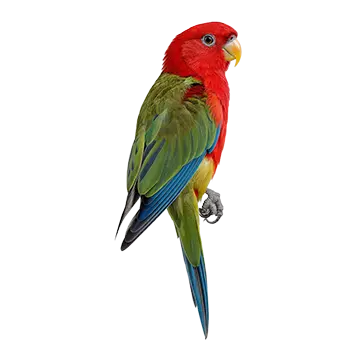

Determining exactly when a Western Rosella transitions from its prime adult years into the senior stage is not as straightforward as checking a calendar. Unlike mammals, birds do not display the obvious external signs of aging such as graying hair or dramatic changes in body shape. The onset of the senior period in a Western Rosella is generally considered to begin around 10 to 12 years of age, though this varies considerably depending on the bird's genetics, lifetime diet, environmental conditions, and overall health history. Some well-cared-for individuals remain vigorous well into their mid-teens, while birds with chronic health issues or suboptimal husbandry may show signs of aging earlier.
The earliest indicators of aging in a Western Rosella tend to be subtle shifts in behavior and activity level rather than dramatic physical changes. A senior bird may spend more time resting and less time engaged in active flight or play. It may be slower to react to stimuli, take longer to settle after disturbances, and show a reduced interest in exploring novel objects or environments. These changes are gradual and can be easy to miss if the caregiver is not consciously monitoring for them. Keeping a behavioral journal or making regular notes about the bird's daily activity patterns provides a useful reference for tracking changes over time.
Physical changes that may accompany aging include a gradual decline in plumage quality, with feathers appearing slightly less vibrant or taking longer to regrow after molts. The beak and nails may grow more quickly or unevenly, requiring more frequent trimming. Muscle mass may decrease, particularly in birds that have become less physically active, and the keel bone may become more prominent as a result. Some senior rosellas develop thickening or scaling of the skin on the feet and legs, which can indicate age-related changes in circulation or the early stages of conditions such as bumblefoot.
Recognizing these changes is not a cause for alarm but rather a signal to adjust care practices accordingly. A Western Rosella that is entering its senior years benefits from increased veterinary monitoring, dietary modifications to support aging organ systems, environmental adjustments to accommodate reduced mobility or balance, and continued mental stimulation adapted to the bird's changing capabilities. The senior years can be comfortable and fulfilling for both bird and caregiver when they are approached with awareness and proactive care.