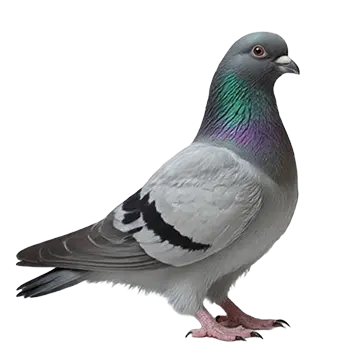

The Fledging Transition

The juvenile phase of a Tumbler Pigeon's life begins around four to five weeks of age when the young bird transitions from a fully dependent nestling to a fledgling capable of leaving the nest and beginning to explore its environment. This period is one of the most dynamic in the bird's entire life, marked by rapid physical maturation, behavioral changes, and the first tentative flights that will eventually develop into the dramatic aerial tumbling for which the breed is celebrated. For keepers, the fledging transition requires a shift in management approach, moving from intensive nest care to a broader focus on loft integration, flight conditioning, and nutritional support for a rapidly growing body.

Fledging in Tumbler Pigeons generally occurs between 28 and 35 days of age, though the exact timing varies by individual and by the specific Tumbler variety. Smaller, lighter strains may fledge slightly earlier, while heavier-bodied varieties tend to remain in the nest a few days longer. The fledgling's first ventures outside the nest are typically short and clumsy, consisting of hopping to the nest edge, fluttering to the loft floor, and making brief upward flights to low perches. These initial flights are powered by pectoral muscles that are still building strength and coordinated by a nervous system that is still calibrating spatial awareness and balance.

During this transition, the young Tumbler is at increased risk for injury. Fledglings lack the flight experience to navigate obstacles, judge distances, or land cleanly. Ensure the loft environment is free of hazards such as sharp edges, open water containers deep enough to drown in, gaps where a fledgling could become trapped, and aggressive adult birds that might injure an uncoordinated youngster. Many experienced breeders use a dedicated fledgling section within the loft, separated from the main flying kit, where young birds can practice flight in a controlled setting.

The emotional and social aspects of fledging are also significant. The fledgling is separating from its parents and beginning to establish its own identity within the flock hierarchy. While pigeon squabs are less prone to the anxiety-driven behavioral issues seen in parrot fledglings, the transition can still be stressful. A fledgling that appears reluctant to leave the nest should not be forced. Providing visual access to other young birds of similar age encourages exploration and reduces the stress of social transition.

Weaning & Diet Transition

Weaning a Tumbler Pigeon is a more gradual and naturally driven process than the weaning of many companion bird species. Pigeon squabs begin self-feeding earlier than most parrot chicks, and the transition from parental feeding to independent eating typically occurs between four and six weeks of age with relatively little intervention from the keeper. However, understanding the process and supporting it appropriately ensures that the young Tumbler enters its juvenile growth phase with strong nutritional foundations.

Parent-raised squabs begin pecking at seed on the loft floor as early as three weeks of age, driven by instinctive foraging behavior and by watching adult birds eat. These initial attempts are largely exploratory, with the squab picking up and dropping seeds repeatedly before learning to hull and swallow them effectively. By four weeks, most squabs are consuming small amounts of seed independently, though they continue to solicit and receive parental feedings as a supplement. The parents gradually become less responsive to begging over the following one to two weeks, and by five to six weeks most squabs are fully self-feeding.

Provide a juvenile-appropriate diet during the weaning transition. Small, easily hulled seeds such as millet, canary grass seed, and fine safflower are ideal starter grains because they are manageable for a beak that is still refining its dexterity. As the juvenile's crop and gizzard strengthen, transition to the standard adult pigeon mix that includes peas, corn, wheat, barley, and larger oilseeds. A quality pigeon grit containing both insoluble granite particles and soluble mineral components such as oyster shell and limestone should be available at all times to support crop grinding function and calcium needs.

Hand-raised squabs require more deliberate weaning management. Begin offering seed in a shallow dish alongside the regular hand-feeding formula starting around three to three and a half weeks of age. Gradually reduce the number of daily formula feedings as the squab demonstrates consistent seed consumption and maintains its weight. Most hand-raised Tumbler squabs can be fully weaned by five to six weeks if the transition is managed patiently. Abrupt weaning, cutting off formula before the squab is reliably self-feeding, causes weight loss and stress that can compromise immune function during this vulnerable period.

Fresh clean water must be available at all times once the squab begins self-feeding. Young pigeons learn to drink by watching adults dip their beaks and suck water upward, a drinking technique unique to pigeons and doves. Ensure water containers are shallow enough that a fledgling cannot submerge its head and deep enough that the beak can be fully immersed. Some breeders add a probiotic supplement to the water during the weaning phase to support gut health as the digestive system adapts to a solid diet.

Early Flight Development

Flight development in juvenile Tumbler Pigeons is both a physical and a behavioral process that unfolds over several weeks after fledging. Unlike utilitarian flying breeds whose flight is primarily a means of transportation, Tumblers are bred for aerial performance, and their flight development carries additional significance because it includes the emergence of the tumbling reflex, the involuntary backward somersaulting behavior that defines the breed. Understanding the normal progression of flight skills helps keepers assess their young Tumblers and make informed decisions about when and how to begin structured flying.

The earliest flights of a juvenile Tumbler are indistinguishable from those of any other pigeon breed. Between four and six weeks of age, the fledgling makes short, direct flights within the loft, building wing strength and developing basic coordination. Landings are often rough, with the young bird overshooting perches or stumbling on arrival. This is entirely normal and corrects itself with practice. Encourage flight activity by placing food and water at a height that requires the juvenile to fly rather than walk, and by providing multiple perching options at varying heights.

Between six and ten weeks, as the juvenile's flight muscles mature and its coordination sharpens, the first signs of tumbling behavior may appear. In many Tumbler lines, the initial tumbling episodes are subtle, consisting of a single backward flip or a hesitation in flight that causes a brief loss of altitude. Some birds begin tumbling earlier and more dramatically, while others develop the behavior gradually over several months. The timing and intensity of tumbling onset are heavily influenced by genetics, and breeders selectively pair birds to produce offspring with desirable tumbling characteristics.

Exercise caution during the early tumbling phase. A juvenile that tumbles too deeply or too frequently may lose altitude rapidly and collide with the ground or structures. This is particularly concerning with a genetic condition known in the breed as rolldown, where a bird enters an uncontrolled series of backward somersaults and cannot recover its flight. Young birds exhibiting excessive or uncontrolled tumbling during their first flights should be monitored closely, and their flying time may need to be limited until their control improves. Some breeders withhold early outdoor flying from birds that show extreme tumbling tendencies, allowing them to build strength and coordination in a confined space before introducing the greater risks of open-air flight.

First outdoor flights represent a milestone that requires careful management. The juvenile should be thoroughly familiar with the loft and consistently returning to its home perch before being allowed outside. Many keepers use a settling cage or aviary attached to the loft entrance that allows the young bird to experience the outdoors while remaining safely enclosed. After several days of acclimation, the juvenile can be released for its first free flights, ideally in calm weather, during daylight, and in the company of experienced adult birds from the kit that will help orient the youngster to the home loft.

Socialization & Loft Integration

Integrating juvenile Tumbler Pigeons into the broader loft community is a social process that requires attention to flock dynamics, hierarchy, and the young bird's emotional readiness. Pigeons are social creatures that establish pecking orders and pair bonds within their flocks, and a juvenile entering the adult population must navigate these social structures while still developing its own physical and behavioral maturity. Successful loft integration produces confident, well-adjusted adults that interact calmly with flockmates and handlers alike.

The juvenile period is when a Tumbler Pigeon's social temperament solidifies. Birds that are handled regularly, exposed to varied human activity, and allowed to interact with a range of flock members develop into calmer, more adaptable adults. Continue the daily handling routine established during the nestling phase, gradually extending the duration and incorporating activities that the bird will encounter throughout its life, such as being placed in a carrying crate, having its wings and feet examined, and being held in different positions for health assessment.

Flock integration should be managed gradually rather than abruptly. If the juvenile has been kept in a separate section of the loft during fledging, begin by providing visual and auditory access to the adult birds through wire partitions before allowing direct contact. When the juvenile is physically large enough to hold its own and confident enough to fly away from confrontation, introduce it to the main loft during a calm period, such as after the adult birds have been fed and are settled. Watch closely for aggression from established adults, particularly dominant cocks that may view the newcomer as a threat to their territory or pair bond.

Juvenile Tumblers housed with age-matched peers tend to integrate more smoothly than single juveniles introduced alone into an adult flock. Raising a cohort of young birds together creates a social support group that shares the stress of integration and provides companionship during the adjustment period. These peer groups often maintain loose social bonds into adulthood, perching and loafing together even after the birds have established their own pair bonds and territories within the loft.

Juvenile Health Concerns

The juvenile period introduces a new set of health considerations as the young Tumbler Pigeon's immune system matures and the bird encounters environmental challenges that it was protected from while in the nest. Stress from weaning, fledging, social integration, and the transition to independent living can suppress immune function temporarily, making juveniles more susceptible to infectious diseases during this period than at almost any other time in their lives.

Coccidiosis is one of the most common health challenges facing juvenile pigeons. The protozoan parasites of the genus Eimeria colonize the intestinal lining and cause symptoms ranging from mild diarrhea and reduced weight gain to severe bloody droppings, dehydration, and death in heavy infections. Juvenile birds are particularly vulnerable because they lack the acquired immunity that repeated subclinical exposure builds in adults. Fecal screening by a veterinarian can detect coccidia oocysts before clinical disease develops, and treatment with appropriate anticoccidial medications is effective when initiated early.

Respiratory infections remain a significant concern during the juvenile phase, especially in lofts with inadequate ventilation or overcrowding. Young Tumblers are susceptible to organisms including Chlamydia psittaci, which causes ornithosis or chlamydiosis, and Mycoplasma species, which cause chronic respiratory disease. Symptoms include nasal discharge, swollen orbital tissue, conjunctivitis, sneezing, and labored breathing. Because these organisms can circulate at subclinical levels in adult birds that appear healthy, juveniles may encounter them for the first time during loft integration. Quarantine any juvenile showing respiratory signs and seek veterinary diagnosis, as different organisms require different treatment protocols.

Canker remains relevant during the juvenile period, particularly when juveniles are housed with adults that may carry the Trichomonas organism without showing clinical signs. Inspect the oral cavity regularly and watch for reluctance to eat, which may indicate throat lesions before they become visible externally. Paramyxovirus vaccination, if appropriate for your region and management system, is typically administered during the juvenile period. Consult your avian veterinarian about the optimal vaccination schedule for your loft.

Injury prevention is an often-overlooked aspect of juvenile health. Young Tumblers that are developing their flight and tumbling skills are at elevated risk for impact injuries, including wing fractures, keel bone bruising, and head trauma from collisions. Ensure that the loft interior is free of protruding hardware, sharp edges, and glass windows that a disoriented bird might fly into. Outdoor flying introduces additional risks from predators, overhead wires, and vehicular traffic. Monitor newly flying juveniles closely during their first outdoor sessions and retrieve any bird that appears injured or disoriented immediately.

Training Foundations

The juvenile period is the optimal window for establishing the training foundations that will shape a Tumbler Pigeon's performance career. Training a Tumbler involves two distinct but related objectives: teaching the bird to respond reliably to the keeper's management cues, such as trapping into the loft on command, and developing the bird's innate tumbling ability into a controlled, aesthetically pleasing aerial performance. Both objectives rely on the bond between bird and keeper, the bird's physical readiness, and the consistent application of sound training principles.

Loft training begins before the first outdoor flight. The juvenile must learn to associate the loft with safety, food, and rest. Feed on a consistent schedule and always within the loft so the bird connects the loft interior with its primary food source. Train the juvenile to enter the loft through the trap, a one-way door mechanism that allows birds to enter from outside but prevents exit. Start by feeding the bird just inside the trap and gradually moving the food deeper into the loft over successive days. A juvenile that traps reliably before its first free flight is vastly safer than one that must learn trapping and free flight simultaneously.

Kit flying, the practice of flying a group of Tumblers together as a coordinated flock, is the traditional format for displaying the breed's aerial abilities. Juvenile Tumblers should be introduced to kit flying gradually, beginning with short sessions in favorable weather conditions. A common approach is to release the juvenile with a small group of experienced, reliable adults that are known to fly well and return promptly. The adults model the expected behavior, flying at altitude, tumbling at intervals, and returning to the loft on cue, while the juvenile follows along and begins incorporating its own tumbling into the group flight.

Developing tumbling ability requires patience and an understanding of the genetic and developmental factors at play. Some juvenile Tumblers begin tumbling instinctively during their first flights, while others may not show the behavior until they are several months old. Forced training, such as tossing a bird into the air repeatedly to stimulate tumbling, is counterproductive and stressful. The tumbling reflex is neurologically driven, and it emerges on its own timetable as the bird's nervous system matures. The keeper's role is to provide ample flying opportunities in a safe environment, maintain the bird's physical condition through proper nutrition and health management, and select breeding pairs that produce offspring with strong and controllable tumbling traits.

Record-keeping during the training phase is invaluable for tracking each juvenile's progress and identifying birds with the greatest potential. Note the age at which tumbling first appears, the frequency and depth of tumbles, the bird's recovery speed between tumbles, and its overall flight endurance. These observations inform future breeding decisions and help the keeper allocate training effort where it will produce the best results.

Preparing for Adulthood

The transition from juvenile to adult in a Tumbler Pigeon is gradual rather than abrupt, occurring over several weeks as the bird reaches physical maturity, completes its first molt, and settles into its adult social role within the loft. By approximately four to six months of age, most Tumbler Pigeons have achieved their adult body size, completed or nearly completed their juvenile molt, and established themselves as functioning members of the flock. The keeper's role during this transitional period is to support the bird's physical development, reinforce training behaviors, and begin making assessments about the bird's future role in the loft.

The juvenile molt is a significant physiological event that typically begins between two and three months of age and continues over several weeks. During the molt, the bird sheds its juvenile plumage and replaces it with the denser, more structurally complex adult feathers that will define its appearance and flight characteristics for the coming year. Molting is metabolically demanding, requiring increased protein intake to support feather keratin synthesis and elevated energy expenditure for thermoregulation as the insulating feather layer is temporarily compromised. Supplement the diet with additional protein sources such as hemp seed, lentils, and high-quality pellets during the molt, and ensure adequate mineral and vitamin availability.

Flight performance often dips temporarily during the molt as the bird adjusts to changes in wing loading and feather balance. Reduce training intensity during heavy molt periods, particularly when primary flight feathers are being replaced. Pushing a molting bird to fly long or demanding sessions risks feather damage, exhaustion, and loss of the bird if it becomes disoriented or cannot maintain altitude. Resume normal training schedules once the molt is substantially complete and the bird is flying with confidence and strength.

This is also the period when keepers make breeding assessments. Evaluate each juvenile's conformation, coloring, tumbling quality, flight endurance, and temperament against the breed standard and your personal breeding goals. Birds that meet your criteria for breeding stock should be identified and managed accordingly, while those that do not meet the standard may be placed in pet or companion homes, retained as utility flyers, or used in non-breeding roles within the loft. Making these decisions early allows you to manage loft population effectively and focus resources on the birds with the greatest potential.

Finally, reinforce the behavioral foundations established during juvenile training. A young Tumbler approaching adulthood should trap reliably, respond calmly to handling, fly with its kit without excessive separation, and demonstrate developing tumbling skills appropriate to its genetic background and age. Consistent daily routines, stable social relationships within the loft, and ongoing positive interactions with the keeper produce a well-adjusted adult Tumbler Pigeon that is a pleasure to fly and manage for years to come.

Always consult a qualified professional before making any health-related decisions. This content is provided for informational reference only and should not replace professional guidance specific to your animal.