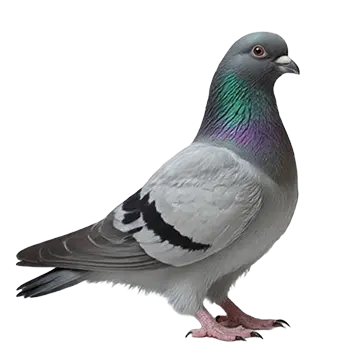

Pair Selection & Breeding Goals

Breeding Tumbler Pigeons begins long before a pair is placed together in a nest box. Thoughtful pair selection is the foundation of any successful breeding program, and for a performance breed like the Tumbler, the stakes are especially high because the defining trait, the backward tumbling reflex, is a heritable behavior governed by complex genetic factors. Every pairing decision should be guided by clear objectives that balance tumbling quality, physical conformation, health, and temperament.

The primary criterion for most Tumbler breeders is tumbling performance. Evaluate each prospective parent's tumbling style, frequency, depth of roll, and control. A bird that tumbles with clean, well-defined backward rotations and recovers quickly without losing excessive altitude is a more desirable breeding candidate than one whose tumbling is erratic, excessively deep, or poorly controlled. Rolldown tendency, where a bird enters an uncontrollable series of somersaults and crashes to the ground, is a serious fault that should be bred away from by avoiding pairings between two birds that both carry strong rolldown tendencies.

Conformation matters because the Tumbler's body structure directly affects its flight capability and tumbling mechanics. The breed standard varies among the many Tumbler varieties, but general qualities that support good aerial performance include a compact, well-muscled body, broad chest, strong wing set, and a relatively short keel. Excessively heavy or coarse-bodied birds may lack the agility for clean tumbling, while birds that are too fine-boned may lack the stamina for sustained flight. Select breeding pairs whose physical traits complement each other, pairing a bird with strong musculature to one with excellent feather quality, or a bird with outstanding tumbling depth to one with superior recovery control.

Health history of both prospective parents should be reviewed thoroughly before pairing. Birds with chronic health conditions, recurring infections, or histories of reproductive complications such as egg binding, infertile eggs, or poor parenting behavior should be excluded from the breeding program or paired only with careful veterinary guidance. The goal is to produce offspring that are not only talented performers but also robust, healthy individuals that will thrive throughout a normal lifespan.

Temperament is the often-overlooked fourth pillar of pair selection. A breeding pair must be capable of stable pair bonding, reliable incubation behavior, and attentive chick rearing. Birds that are excessively nervous, aggressive toward mates, or disinterested in parenting duties produce fewer surviving offspring and pass behavioral traits to their young that can complicate future breeding and management.

Mating Behavior & Courtship

The courtship and mating behaviors of Tumbler Pigeons follow the general pigeon pattern but carry nuances that experienced breeders learn to read as indicators of pair compatibility, breeding readiness, and reproductive health. Understanding these behaviors allows the keeper to assess whether a newly introduced pair is bonding successfully and to anticipate the timeline from pairing to egg laying.

Courtship begins with the cock bird's display, a ritualized sequence that includes bowing with the neck feathers inflated, cooing in a deep rhythmic pattern, fanning and dragging the tail feathers, and turning in tight circles around the hen. This display serves multiple functions. It advertises the cock's fitness, establishes his claim to the nest site, and stimulates the hen's reproductive physiology through the combination of visual and auditory cues. A vigorous, persistent courtship display generally indicates a healthy, reproductively mature cock in breeding condition.

The hen's response to courtship determines the pace of pair bonding. A receptive hen will tolerate the cock's approach, allow billing, which is the mutual touching and crossing of beaks, and eventually adopt the solicitation posture, crouching with wings slightly drooped, that signals her readiness to mate. Hens that flee, peck aggressively, or persistently ignore the cock's displays are not yet bonded and should not be forced into close confinement with the male, as this can result in injury from aggressive pursuit. If a pair has not shown positive bonding behaviors within seven to ten days of introduction, consider whether the pairing is compatible or whether environmental stressors are inhibiting natural behavior.

Copulation in pigeons occurs once the pair bond is established and typically takes place on the perch or near the nest site. The cock mounts the hen's back, and cloacal contact transfers sperm. Successful copulation usually occurs multiple times in the days leading up to egg laying, ensuring that the eggs are fertilized. The timing from pair bonding to first egg laying varies but generally falls between ten and fourteen days in a well-conditioned pair housed in appropriate conditions.

Breeders who manage pairings in a controlled environment often use dedicated breeding cages or paired sections within the loft that house one pair each. This approach ensures that the intended pairing is the actual pairing, preventing extra-pair copulations that could undermine selective breeding efforts. Controlled pairing is especially important in Tumbler breeding programs where specific genetic combinations are being tested to improve tumbling quality or correct conformation faults.

Egg Laying & Incubation

Tumbler Pigeon hens typically lay two eggs per clutch, with the first egg appearing in the late afternoon or evening and the second egg following approximately 44 to 48 hours later. This two-egg clutch is standard across virtually all domestic pigeon breeds and reflects the species' reproductive strategy of producing a small number of highly invested offspring rather than a large clutch with lower individual parental investment.

The interval between the first and second egg creates a management consideration regarding incubation onset. Some hens begin sitting firmly on the first egg immediately, which means it gets a 44 to 48 hour head start on development and will hatch before the second egg. This asynchronous hatching produces a larger, more developed first squab that outcompetes the younger sibling for parental feeding, often resulting in unequal growth and occasionally in the loss of the second squab. Many breeders address this by replacing the first egg with a dummy egg and only placing the real first egg back in the nest once the second egg is laid, so both eggs begin true incubation simultaneously and hatch within hours of each other.

Incubation in pigeons is shared between both parents in a predictable pattern. The hen typically sits from late afternoon through the morning, while the cock takes over for a shift during the midday hours. This division of labor ensures continuous incubation coverage and allows each parent time to eat, drink, and exercise. The incubation period for pigeon eggs is 17 to 19 days from the onset of consistent sitting, with 18 days being the most common duration. Mark the expected hatch date on your calendar when the pair begins sitting to allow preparation for the arrival of squabs.

Egg fertility and viability can be assessed through candling, the process of shining a bright focused light through the shell to observe internal development. Candling at five to seven days of incubation should reveal a network of blood vessels radiating from a central embryo in a fertile, developing egg. A clear egg without visible vessel development at this stage is infertile and should be removed. An egg that shows a dark ring or discolored contents has experienced early embryonic death. Removing non-viable eggs prevents the parents from wasting incubation effort and allows them to recycle into a new clutch sooner if desired.

The nest environment during incubation should be quiet, secure, and free from disturbance. Excessive human intervention, aggressive neighboring pairs, or environmental disturbances such as loud noises, temperature extremes, or predator presence can cause the pair to abandon the nest. Provide adequate nest bowls with a shallow, concave shape that prevents eggs from rolling and a soft lining of tobacco stems, pine needles, or commercial nesting material. The pair will arrange the material to their satisfaction, and interfering with their nest construction after they have settled often does more harm than good.

Genetics of Tumbling Performance

The tumbling behavior that defines the Tumbler Pigeon breed is a neurologically mediated reflex with a complex genetic basis. Understanding the hereditary aspects of tumbling, even at a practical rather than molecular level, helps breeders make informed pairing decisions that improve performance across successive generations while avoiding the pitfalls of selecting too aggressively for a single trait at the expense of overall health and viability.

Tumbling in pigeons appears to be a polygenic trait, meaning it is influenced by multiple genes rather than a single Mendelian locus. This polygenic nature explains why tumbling quality exists on a spectrum rather than as a simple present-or-absent characteristic. Some birds tumble shallowly with a single backward flip, others perform deep, multi-rotation tumbles, and still others exhibit the extreme rolldown phenotype where the bird cannot stop tumbling once it begins. The depth, frequency, and controllability of tumbling all appear to have independent heritable components, which is why breeding decisions must consider multiple aspects of tumbling performance simultaneously.

Selective pressure toward ever-deeper tumbling carries real risk. Rolldown is the pathological extreme of the tumbling spectrum, and birds that exhibit uncontrolled rolling during flight are at serious risk of injury or death from ground impact. Breeding two deep-tumbling parents together increases the probability of producing offspring that cross the line from impressive performance into dangerous rolldown territory. Experienced breeders mitigate this risk by pairing deep tumblers with moderate tumblers, maintaining diversity in tumbling intensity within their breeding stock, and ruthlessly culling rolldown birds from the breeding program regardless of their other qualities.

Color, pattern, and structural traits in Tumbler Pigeons follow more conventional inheritance patterns. Plumage color in pigeons involves a well-studied set of loci including the basic color gene, dilution, spread, and various pattern and marking genes. Breeders working toward specific color varieties within the Tumbler family can apply standard pigeon color genetics to predict offspring outcomes with reasonable accuracy. Structural traits such as body size, beak length, and leg feathering also have strong heritable components and respond to directional selection over generations.

Maintaining a closed breeding population over many generations inevitably increases the coefficient of inbreeding, which can lead to reduced vigor, lower fertility, decreased immune competence, and an accumulation of recessive genetic defects. Responsible Tumbler breeders manage inbreeding through careful pedigree tracking, periodic introduction of unrelated stock from other reputable breeders, and vigilance for signs of inbreeding depression such as declining clutch fertility, poor hatchability, or reduced squab vitality. Outcrossing to a compatible Tumbler line can restore hybrid vigor while maintaining the breed's essential performance characteristics.

Breeding Season Management

Managing the Tumbler Pigeon breeding season involves coordinating the reproductive cycle with the calendar, the keeper's goals, and the birds' physiological condition. In temperate climates, pigeons naturally begin breeding as day length increases in late winter or early spring, with reproductive activity peaking through summer and declining in autumn as photoperiod shortens and the annual molt begins. Keepers can work with this natural cycle or modify it through environmental management depending on their breeding objectives.

Conditioning the breeding pairs before the season begins significantly improves fertility, hatchability, and squab vigor. Four to six weeks before intended pairing, transition the prospective breeders from a maintenance diet to a breeding diet enriched with protein, fat, and key micronutrients. Increase peas and legumes to boost protein intake, add small amounts of hemp and safflower for energy, and ensure robust calcium and vitamin supplementation. The hens in particular need substantial calcium reserves to support eggshell formation without depleting their skeletal stores. A hen that enters breeding season in poor condition is more likely to produce thin-shelled or infertile eggs and is at higher risk for egg binding.

The number of clutches allowed per pair per season is a management decision with welfare implications. While pigeons are capable of producing multiple clutches in succession, continuous breeding is physically taxing, particularly for the hen. Most responsible breeders limit pairs to two or three clutches per season, allowing recovery time between each clutch. If the breeding goals have been met after one or two rounds, separate the pair or replace real eggs with dummies to interrupt the reproductive cycle and allow the birds to begin their molt on schedule.

Record keeping during the breeding season is indispensable for evaluating breeding outcomes and planning future pairings. Document every pairing, including the identity of both parents, the date of pairing, the date of first and second egg, fertility status of each egg, hatch date, number and condition of squabs at hatch, growth trajectory, and any health events during rearing. Over multiple seasons, these records reveal patterns that inform breeding decisions, such as which cocks produce consistently high fertility, which hens are reliable parents, and which crosses produce offspring with the most desirable tumbling characteristics.

End-of-season management transitions the loft from breeding mode back to maintenance mode. Remove or close off nest boxes to discourage further breeding attempts, and shift the diet back to a standard maintenance mix with reduced protein and fat content. Allow the birds to begin their annual molt, which is suppressed by active reproduction, and refocus management on molt support and flight conditioning for the upcoming season. Separating cocks from hens during the off-season is practiced by some breeders to ensure complete reproductive rest, though others maintain paired housing year-round and rely on environmental cues and dietary management to regulate breeding activity.

Reproductive Health & Complications

Reproductive complications in Tumbler Pigeons, while not commonplace in well-managed breeding programs, can pose serious threats to the health and life of breeding birds when they occur. Awareness of the most common reproductive health issues allows breeders to recognize problems early, seek appropriate veterinary care, and implement preventive measures that reduce the incidence of complications in future breeding cycles.

Egg binding is the most acutely dangerous reproductive complication in pigeon hens. It occurs when a fully formed or partially formed egg becomes lodged in the reproductive tract and the hen is unable to expel it. Risk factors include calcium deficiency, poor muscle tone in the oviduct, excessively large eggs, cold environmental temperatures during egg formation, and obesity. A hen with egg binding will appear fluffed and lethargic, often sitting on the floor rather than the perch, with a visibly distended abdomen and straining or pumping motions of the tail. Egg binding is a veterinary emergency. Providing warmth, humidity, and oral calcium may support passage of the egg in mild cases, but severe cases require veterinary intervention including manual manipulation or surgical removal of the retained egg.

Infertility presents differently than egg binding but is equally frustrating for breeders. A pair that produces clear, undeveloped eggs over consecutive clutches may have a fertility problem in either the cock or the hen. Common causes include reproductive tract infections, nutritional deficiencies particularly zinc and vitamin E, age-related decline in reproductive function, and environmental stressors that suppress hormonal cycling. Diagnostic workup for chronic infertility should include a veterinary examination of both birds, semen evaluation of the cock if facilities permit, and a review of husbandry practices including diet, lighting, and social management.

Paratyphoid, caused by Salmonella typhimurium, is a bacterial disease with significant reproductive implications in pigeon lofts. Infected hens may produce infertile eggs, experience embryonic death during incubation, or produce weak squabs that fail to thrive. Cocks carrying the organism may have reduced fertility or transmit the infection to hens during mating. Chronic carriers can shed the organism intermittently for months or years, contaminating the loft environment and infecting successive rounds of offspring. Diagnosis requires bacterial culture, and treatment involves targeted antibiotic therapy under veterinary supervision combined with rigorous loft sanitation to break the cycle of environmental recontamination.

Prolapsed oviduct or cloaca is an uncommon but serious complication that occurs when reproductive tissue protrudes through the vent opening. It is most often associated with egg binding, excessively large eggs, or straining during difficult egg passage. The protruding tissue is vulnerable to desiccation, trauma, and infection. If a prolapse is observed, keep the tissue moist with saline-soaked gauze and seek veterinary care immediately. Mild prolapses can sometimes be manually reduced and held in place while healing occurs, but recurring or severe prolapses may require surgical repair or may necessitate permanent retirement of the hen from breeding.

Ethical Breeding Practices

Responsible breeding of Tumbler Pigeons extends beyond the mechanics of pairing and production to encompass a broader ethical framework that considers the welfare of individual birds, the integrity of the breed, and the capacity of the breeder to house and care for the offspring produced. As a performance breed with a unique behavioral trait, the Tumbler Pigeon presents specific ethical considerations that deserve thoughtful attention from every breeder.

The welfare of breeding stock must be the primary consideration in any breeding program. Birds should only be bred when they are in excellent health, proper breeding condition, and of appropriate age. First-year birds are physically capable of breeding but may not be mature enough to parent effectively, and breeding too young can stunt the growth of birds that have not yet reached their full adult size. Most breeders wait until birds are at least eight to twelve months old before their first pairing, and they retire breeding birds when age-related decline compromises reproductive health or parenting capability.

Population management is an ethical obligation that many novice breeders underestimate. Pigeons are prolific breeders, and a loft that allows unrestricted reproduction can quickly become overcrowded, leading to increased disease pressure, social stress, and inadequate resources for individual birds. Before breeding, have a clear plan for every potential offspring. Determine in advance which squabs will be retained for your program, which will be placed with other breeders or in companion homes, and how surplus birds will be responsibly managed. Egg replacement with dummy eggs is a humane and effective method for controlling reproduction when breeding is not desired.

The rolldown issue presents a unique ethical dimension in Tumbler breeding. Because the same genetic factors that produce impressive tumbling also contribute to the potentially fatal rolldown condition when present in extreme doses, breeders bear responsibility for managing this spectrum thoughtfully. Producing birds that cannot fly safely represents a welfare failure, regardless of how spectacular their tumbling may appear in theory. Breeders should test-fly all young stock, identify birds with rolldown tendencies early, permanently ground affected individuals, and exclude them from breeding to avoid propagating the most extreme expression of the tumbling genes.

Transparency with buyers and recipients of your birds reflects professional integrity. Provide accurate information about each bird's lineage, health history, tumbling ability, and any known genetic tendencies within the line. Disclose if a bird's relatives have shown rolldown traits, chronic health conditions, or behavioral problems. Building a reputation for honesty strengthens the Tumbler breeding community and ensures that birds are placed in appropriate situations where their needs will be met and their genetic contributions will be used wisely.

Always consult a qualified professional before making any health-related decisions. This content is provided for informational reference only and should not replace professional guidance specific to your animal.