
Signs of Aging

Star Finches are relatively short-lived compared to psittacine species, with a typical captive lifespan of five to eight years. A Star Finch can generally be considered to have entered its senior phase once it passes four years of age, though individual birds age at different rates depending on genetics, diet quality, environmental conditions, and overall health history. Recognizing the signs of aging is essential for adjusting care to support the bird's comfort and well-being as its body begins to slow down.

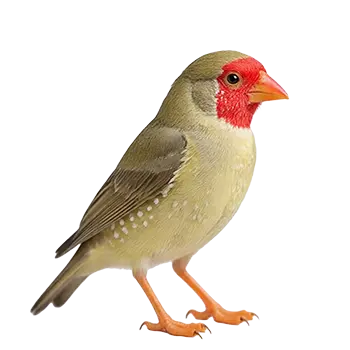
One of the earliest visible signs of aging in a Star Finch is a gradual change in plumage quality. Feathers may become slightly less vibrant in color, and the annual molt may take longer to complete, with new feathers sometimes growing in less evenly than they did during the bird's prime years. The red facial markings may fade somewhat, and the white flank spots may lose some of their crispness. These changes are cosmetic and do not indicate illness on their own, but they do reflect the gradual decline in the body's regenerative capacity that accompanies aging.

Reduced activity levels are another hallmark of the senior Star Finch. A bird that once spent long periods in active flight and enthusiastic foraging may begin to spend more time perching quietly, particularly during the middle of the day. Flight may become shorter and less frequent, and the bird may choose lower perches that require less effort to reach. This decrease in activity is a normal adjustment to diminishing energy reserves and should not be confused with the acute lethargy that accompanies illness, which typically appears suddenly rather than as a gradual trend.

Changes in the feet and legs are common in aging finches and deserve careful monitoring. The scales on the legs and toes may become rougher, thicker, or slightly raised compared to the smooth scaling of a young bird. Toenails may grow faster and require more frequent trimming as the bird's activity decreases and natural wear is reduced. Arthritis in the toe joints can develop, causing the bird to grip the perch less firmly or to shift its weight frequently from foot to foot. These musculoskeletal changes directly influence the bird's comfort and mobility and should inform decisions about perch placement and cage design.

Behavioral changes in senior Star Finches can be subtle but meaningful. The male may sing less frequently or with a reduced repertoire. Social interactions may shift, with the senior bird spending more time in close physical contact with a bonded partner and less time engaging with the broader flock. Some senior birds become noticeably more tolerant of human proximity, perhaps because the stress response diminishes with age or because routine becomes deeply familiar. Keepers who have built a long relationship with their birds often describe this increased calmness as one of the quieter rewards of caring for an aging companion.

Adjusted Nutrition for Aging Birds

The nutritional needs of a senior Star Finch shift as the bird's metabolism slows, its digestive efficiency declines, and its body requires more support for maintenance and repair rather than growth. Continuing to feed an older bird the same diet offered during its prime years without modification can lead to weight gain from reduced activity, nutrient deficiencies from decreased absorption, or digestive strain from foods that are now harder for the aging gut to process.

The seed component of the diet remains central, but senior birds often benefit from an increased proportion of softer, more easily hulled seeds and a decrease in harder-shelled varieties. White millet, canary seed, and panicum should form the bulk of the mix. Offering soaked or sprouted seeds daily rather than just several times per week makes nutrients more bioavailable and reduces the mechanical effort required to process the food. For birds showing signs of difficulty cracking seed, which can indicate age-related changes in bill strength or jaw muscle tone, a partially husked seed mix can ensure continued adequate caloric intake.

Protein supplementation becomes more important as the bird ages, because muscle mass gradually declines and the immune system requires steady amino acid support to function effectively. Continue offering egg food and, when possible, small amounts of live food such as fruit flies or micro mealworms. Some senior birds that have eaten live food enthusiastically throughout their lives may show decreased interest, in which case finely crumbled egg food mixed with a small amount of water to create a soft, palatable mash can serve as an alternative protein source.

Calcium and vitamin D support are especially critical for aging females that have been through multiple breeding seasons, as chronic calcium depletion can weaken the skeletal system over time. Even non-breeding senior hens benefit from continued access to a cuttlebone and a mineral block. Full-spectrum lighting with UVB output, which supports endogenous vitamin D3 synthesis, should be maintained throughout the bird's senior years to facilitate calcium absorption from the diet.

Hydration may need closer attention in senior birds. Some aging finches drink less frequently or less efficiently, particularly if arthritis makes it uncomfortable to adopt the drinking posture. Ensure water dishes are positioned at a height the bird can reach comfortably, and consider offering water in multiple locations throughout the cage or aviary. Adding moisture-rich foods such as finely chopped cucumber, watermelon, or soaked chickweed to the daily diet helps supplement fluid intake without requiring the bird to make additional trips to the water dish.

Environmental Modifications

The environment that served a Star Finch well during its active prime years may need thoughtful modification as the bird ages and its physical capabilities change. The goal is to maintain the bird's quality of life by ensuring it can access food, water, perches, and social contact comfortably, without forcing it to exert itself beyond its declining capacity. These modifications should be implemented gradually as the bird's needs evolve rather than all at once, which could be disorienting.

Perch placement is the most impactful environmental change for a senior Star Finch. As flight endurance decreases and joint stiffness increases, perches should be repositioned to reduce the distance between commonly used stations. Place perches at a moderate, consistent height rather than at extreme high and low positions that require significant flight effort. Adding a flat platform perch near the food and water dishes gives the bird a comfortable, stable resting place that is easier on arthritic feet than a round dowel and eliminates the need for a long flight back to a distant perch after eating.

Temperature management becomes more critical for senior birds, whose thermoregulatory capacity gradually weakens. An older Star Finch is less able to tolerate temperature fluctuations and may benefit from a slightly warmer environment than a bird in its prime. Maintain the ambient temperature at the warmer end of the acceptable range, between 75 and 80 degrees Fahrenheit, and avoid exposing the bird to drafts from windows, doors, or air conditioning vents. A ceramic heat emitter positioned above one end of the cage creates a warm zone that the bird can move toward when it needs extra warmth, without overheating the entire enclosure.

Lighting adjustments may also be warranted. While the photoperiod should remain consistent at 12 to 14 hours of light per day, the transition from light to darkness should be gradual to avoid startling a senior bird that may have diminished night vision and is therefore more prone to night frights. Using a dimmer switch or a timed low-wattage night light in the bird room for fifteen to twenty minutes before and after the main lights cycle can ease these transitions and reduce the risk of the bird injuring itself by flying blindly in sudden darkness.

Consider the senior bird's position within a shared cage or aviary. In a mixed-age group, younger, more vigorous birds may inadvertently dominate food stations and preferred perching spots, leaving the senior bird marginalized. If you observe the older bird struggling to access resources, either provide additional feeding stations specifically positioned for easy access by the senior bird, or consider housing the aging bird in a separate, smaller enclosure with a calm companion where competition is eliminated. The social benefit of flock membership must be weighed against the stress of being outcompeted by younger flock mates.

Common Age-Related Health Conditions

Senior Star Finches become increasingly susceptible to a range of health conditions that are uncommon in younger birds. Understanding these conditions helps keepers anticipate potential problems, seek veterinary attention at the earliest opportunity, and make informed decisions about treatment options that balance medical intervention against the stress it imposes on a fragile, aging bird.

Hepatic lipidosis, or fatty liver disease, is one of the most prevalent conditions in older captive finches, particularly those that have been maintained on seed-heavy diets with insufficient variety. The liver gradually accumulates fat deposits that impair its function, leading to symptoms that may include weight loss despite adequate food intake, changes in droppings color toward a greenish or yellowish hue, overgrown beak or nails due to impaired keratin metabolism, and in advanced cases, abdominal distension. Dietary correction, including increased greens, reduced high-fat seeds, and improved overall nutritional variety, can slow the progression, but established liver damage is not fully reversible.

Tumors, both benign and malignant, occur with increased frequency in aging finches. Internal tumors of the liver, kidney, or reproductive tract may not be detectable until they are advanced enough to cause visible abdominal swelling, changes in droppings, or generalized decline. External growths, particularly lipomas or fatty tumors under the skin, may be visible as soft lumps on the breast, abdomen, or near the vent. Your avian veterinarian can assess whether a growth warrants intervention, though surgical options in a bird as small as a Star Finch are extremely limited and carry significant anesthetic risk.

Musculoskeletal degeneration, including arthritis and gout, affects the mobility and comfort of many senior finches. Arthritic changes in the toe joints cause the bird to have difficulty gripping perches, leading to a visibly less secure perching posture and increased time spent resting on flat surfaces. Gout, a metabolic condition involving uric acid crystal deposits in the joints or organs, causes painful swelling of the toes and feet and is associated with chronic kidney dysfunction. Both conditions can be managed to some degree with environmental modifications, anti-inflammatory treatments prescribed by a veterinarian, and careful attention to hydration and diet.

Cataracts and other age-related changes in vision can affect senior Star Finches, though they are difficult to diagnose definitively without specialized ophthalmic equipment. A bird with declining vision may become more cautious in its movements, startle more easily, misjudge landings, or have difficulty locating food in a new position. If you suspect vision impairment, maintain the cage layout in a fixed, predictable arrangement and ensure that food and water are always in the same location, so the bird can navigate its environment by memory and habit even if visual acuity is diminished.

Veterinary Care for Senior Finches

The approach to veterinary care for a senior Star Finch requires a careful balance between the diagnostic and therapeutic benefits of medical intervention and the physiological stress that handling, transport, and procedures impose on an aging, fragile bird. An avian veterinarian experienced with small passerines will understand this balance and will tailor their recommendations to prioritize the bird's comfort and quality of life rather than pursuing aggressive diagnostics or treatments that may cause more harm than the condition they are intended to address.

Regular wellness examinations become more important as a Star Finch ages, even if the bird appears outwardly healthy. A veterinary check every six to twelve months allows for early detection of conditions that are common in senior finches, including liver disease, kidney dysfunction, and Macrorhabdus ornithogaster infection, all of which may progress silently until they reach an advanced stage. During these visits, the veterinarian can assess body condition, evaluate droppings, perform crop or fecal cytology if indicated, and review the bird's diet and environment with the keeper.

Anesthetic risk increases significantly in senior birds due to diminished organ function, reduced body reserves, and decreased physiological resilience. Procedures that are routine in younger birds, such as beak or nail trims under sedation, carry elevated risk in a geriatric finch. Whenever possible, beak and nail maintenance should be accomplished without sedation, using gentle restraint techniques appropriate for small passerines. If a procedure requiring anesthesia is medically necessary, discuss the risks openly with your veterinarian and ensure that the expected benefit clearly justifies the associated danger.

Palliative care becomes an increasingly relevant part of the veterinary conversation as a Star Finch enters its later senior years. For conditions that are not curable, such as advanced hepatic disease, widespread tumors, or severe arthritis, the focus shifts from attempting to reverse the disease to managing symptoms and maintaining the bird's comfort. This may include pain management, nutritional support, environmental modifications, and regular reassessment of the bird's quality of life. Your veterinarian can help you establish criteria for evaluating whether the bird is still experiencing a reasonable quality of life and guide you through the difficult decisions that may eventually arise.

Comfort & Quality of Life

Quality of life assessment for a senior Star Finch is an ongoing process that requires the keeper to observe the bird with honest, compassionate eyes. It is natural to become deeply attached to a bird that has been part of the household for years, and this attachment can sometimes make it difficult to recognize when the bird's experience has shifted from one of reasonable contentment to one dominated by discomfort or distress. Developing a structured approach to quality of life evaluation helps keepers make objective assessments even when emotions run high.

The core quality of life indicators for a senior Star Finch include the bird's ability to eat and maintain a stable weight, its capacity to perch comfortably, its interest in social interaction with flock mates or human caregivers, its engagement with the environment through normal behaviors such as preening, bathing, and vocalizing, and the absence of visible pain or distress. A bird that is eating adequately, resting comfortably, and still participating in the social life of its flock is generally experiencing an acceptable quality of life, even if its activity level is greatly reduced compared to its younger days.

Pain recognition in small birds is challenging because they instinctively hide discomfort. Indicators of pain in a Star Finch may include reluctance to move, repeated shifting of weight on the perch, fluffing the feathers while awake, decreased vocalization, reduced interest in food, and withdrawal from social interaction. Because these signs overlap with general aging-related behavior changes, the distinction between normal slowing down and pain-driven withdrawal requires careful, longitudinal observation. If you suspect the bird is in pain, discuss management options with your veterinarian, who may prescribe anti-inflammatory medication appropriate for small passerines.

Maintaining routines is one of the simplest and most effective ways to support a senior Star Finch's quality of life. These birds are creatures of habit, and the predictability of a consistent daily schedule, with lights on and off at the same times, food offered at familiar intervals, and cage maintenance performed in a regular pattern, provides a framework of security that helps the aging bird feel safe and settled. Disruptions to routine, such as household moves, extended travel, or significant changes in the composition of the flock, can be profoundly stressful for senior birds and should be avoided or managed with extra care when they are unavoidable.

Companionship remains important even in the final stage of life. A senior Star Finch that has been housed with a bonded partner or a small group should not be isolated unless medical necessity demands it. The warmth, proximity, and quiet contact calls of flock mates provide comfort and social stimulation that contribute meaningfully to the bird's overall well-being. If the senior bird must be separated for medical care, returning it to its familiar social group as soon as possible supports both its emotional state and its will to continue engaging with life.

When Decline Accelerates

There comes a point in many senior Star Finches' lives when the gradual age-related decline that has been managed and accommodated over months or years begins to accelerate. This transition can be triggered by the onset of a new health condition, the progression of an existing one, or simply the cumulative weight of the aging process reaching a tipping point. Recognizing the shift from stable aging to active decline is important because it changes the care priorities from long-term maintenance to near-term comfort and prepares the keeper emotionally for the decisions that may lie ahead.

Accelerating decline often manifests as a noticeable drop in food intake that is not explained by a change in diet or environment. The bird may sit near the food dish but eat very little, or it may appear to eat but drop most of the seed without successfully hulling and swallowing it. Weight loss that had been gradual becomes more pronounced, and the keel bone becomes increasingly prominent. The bird may spend the majority of the day in a fluffed, resting posture and show little interest in its surroundings or its flock mates.

Physical signs of declining organ function may become apparent. Changes in droppings, including increased water content, unusual colors, or a decrease in the volume of formed fecal matter, can indicate kidney or liver failure. Labored breathing or tail bobbing may indicate fluid accumulation in the body cavity or respiratory compromise. Loss of balance or an inability to grip the perch securely can result from neurological decline, extreme weakness, or both. Each of these signs represents a significant shift in the bird's medical status and warrants a conversation with your avian veterinarian about the appropriate course of action.

During this period, the keeper's role shifts primarily to providing comfort. Ensure the bird can access food and water without effort by placing dishes directly adjacent to its preferred resting spot. Maintain a warm, stable, quiet environment. Minimize handling unless it is necessary for administering prescribed medications. If the bird has a bonded partner, allow them to remain together, as the presence of a familiar companion can be profoundly comforting to a bird in its final decline.

This is also the time to begin having open conversations with your veterinarian about humane endpoints. No keeper wants to contemplate euthanasia, but a responsible caregiver recognizes that allowing a bird to suffer beyond the point where quality of life can be maintained is not an act of love but one of avoidance. Your veterinarian can help you identify the markers that distinguish a bird that is declining but still experiencing moments of comfort from a bird that has moved into unrelieved suffering. These conversations are easier to have before a crisis point than in the midst of one, and they ensure that whatever decisions are made are guided by the bird's best interest.

Always consult a qualified professional before making any health-related decisions. This content is provided for informational reference only and should not replace professional guidance specific to your animal.