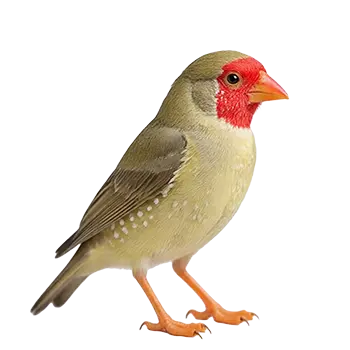

Successful Star Finch breeding begins long before the first egg is laid. Both the selection of compatible, healthy breeding stock and the conditioning of that stock into optimal physical condition are prerequisites that determine whether a breeding attempt will produce vigorous, well-developed offspring or result in infertile eggs, abandoned clutches, and weakened adults. Star Finches can technically breed as young as four to five months of age, but responsible breeders wait until birds are at least nine to twelve months old to ensure full physical maturity and reduce the health risks associated with premature reproduction.
Pair selection should prioritize health, vigor, and genetic diversity. Both birds should be in excellent body condition, with smooth plumage, bright facial coloring, clean nares and vents, and no history of chronic illness. Avoid pairing closely related individuals, as inbreeding in small finch populations can lead to reduced fertility, increased chick mortality, and a higher incidence of congenital defects. If your collection is small, sourcing unrelated stock from other breeders introduces fresh genetics and strengthens the overall health of the breeding line.
Conditioning for breeding involves gradually enriching the diet in the weeks leading up to the breeding season. Increase the frequency of sprouted seeds, egg food, and live food offerings to build the nutritional reserves that both birds will draw upon during egg production, incubation, and chick rearing. The hen in particular needs elevated calcium and protein intake to support egg formation without depleting her own skeletal reserves. Providing full-spectrum lighting for 13 to 14 hours per day mimics the lengthening photoperiod that triggers hormonal changes associated with breeding readiness in wild populations.
Compatibility between paired birds is not guaranteed and should be assessed before the breeding enclosure is set up. House the prospective pair within sight and earshot of each other but in separate cages for a period of one to two weeks. Watch for positive indicators such as mutual calling, sitting as close together as the cage bars allow, and the male beginning to sing and perform courtship displays directed at the female. If either bird appears stressed, aggressive, or completely indifferent to the other after this introductory period, consider trying a different pairing rather than forcing a match that is unlikely to succeed.