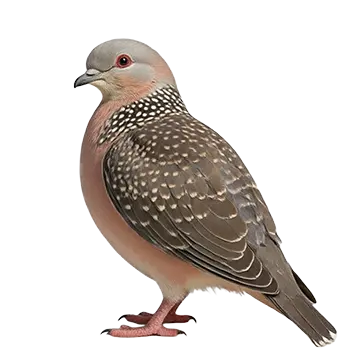

Recognizing the Transition to Senior Age

Spotted Doves are relatively long-lived for their body size, with well-cared-for captive individuals routinely reaching 10 to 14 years and occasional birds surpassing this range. The transition from prime adulthood to the senior stage is not marked by a single dramatic event but rather by a gradual constellation of changes that an observant keeper begins to notice between seven and nine years of age. Recognizing these early signs of aging allows the keeper to adjust care proactively, extending the bird's comfortable, active years and preventing avoidable decline.

One of the earliest indicators of advancing age in a Spotted Dove is a subtle reduction in overall activity level. The bird may spend more time resting on its favored perch and less time engaged in ground foraging, bathing, or spontaneous flight. Cooing frequency may decrease modestly, and the bird may become more selective about when and how it engages with its keeper or cage mates. These behavioral shifts are normal and do not, in themselves, indicate illness. However, they should prompt the keeper to schedule a veterinary wellness examination to establish that the changes are attributable to aging rather than to an underlying disease process that could be treated.

Physical signs of aging in Spotted Doves include a gradual loss of pectoral muscle mass, which can be assessed by gently palpating the keel bone. In a healthy adult in its prime, the pectoral muscles on either side of the keel are full and rounded, and the keel itself is not prominently palpable. As the bird ages, the muscles may thin, making the keel more prominent to the touch. Feather quality may also decline subtly, with the plumage appearing less tightly structured and perhaps slightly duller than in younger years. The feet and legs may show early signs of scaling or thickening, and the nails may grow more quickly or unevenly as circulation to the extremities becomes less efficient.

It is important to distinguish between the gradual, progressive nature of normal aging and the more sudden onset of symptoms that suggest acute illness. A Spotted Dove that has been gradually slowing down over the course of several months is likely exhibiting age-related changes. A bird that suddenly becomes lethargic, stops eating, or shows dramatic behavioral changes over a period of days is almost certainly ill and needs immediate veterinary attention regardless of its age. The senior stage does not make a bird immune to treatable conditions, and assuming that every decline is simply old age can result in missed opportunities for intervention.

Adjusted Nutrition for Aging Birds

The nutritional requirements of a senior Spotted Dove shift in ways that reflect the bird's changing metabolism, reduced activity level, and the age-related decline in organ function. While the basic dietary framework remains similar to that of a healthy adult, adjustments in quantity, composition, and supplementation can make a meaningful difference in the senior bird's comfort and longevity. An aging dove that receives thoughtful nutritional management maintains better body condition, stronger immunity, and higher quality of life than one kept on the same unmodified diet it received in its prime years.

Caloric needs typically decrease in senior doves because of reduced activity and lower basal metabolic rate. If the bird's diet is not adjusted downward accordingly, obesity becomes a risk, and excess body fat places additional strain on the liver, heart, and joints. Monitor the bird's weight weekly and adjust seed quantities to maintain a stable, healthy weight. For most senior Spotted Doves, this means a slight reduction in the total volume of seed mix offered each day. However, the change should be gradual and monitored carefully, as underfeeding is equally dangerous and can cause rapid muscle wasting in an already age-compromised bird.

Protein requirements remain steady or may even increase modestly in senior birds, as aging bodies are less efficient at protein synthesis and need adequate dietary amino acids to maintain muscle mass and immune function. Continue or increase the availability of sprouted seeds, cooked egg food, and legume sprouts. These protein sources are more digestible than dry seed and provide amino acid profiles that support tissue maintenance. Some avian veterinarians recommend a senior-specific avian supplement that includes elevated levels of certain B vitamins and antioxidants to support cellular health in aging birds.

Calcium and vitamin D3 supplementation remains critical throughout the senior years and may need to be increased, particularly for birds with diminished access to natural sunlight or those showing early signs of skeletal weakness. The kidneys play a key role in activating vitamin D3 for calcium absorption, and age-related decline in renal function can impair this process even when dietary supplementation appears adequate. Discuss the appropriateness of injectable vitamin D3 supplementation with your avian veterinarian if bone quality concerns arise. Maintain access to cuttlebone, mineral block, and soluble grit at all times, and monitor consumption patterns for any sudden changes that might indicate shifting mineral needs.

Mobility & Housing Modifications

As a Spotted Dove ages, its physical capabilities gradually diminish, and the housing environment that served the bird well during its active adult years may need modification to accommodate reduced mobility, weaker grip strength, and decreased stamina. Making these changes thoughtfully and incrementally, rather than overhauling the entire cage at once, minimizes the stress of environmental change while ensuring the bird remains safe and comfortable.

Perch modifications are typically the first and most impactful change. Senior doves may have difficulty gripping narrow perches, and arthritic feet can make even short perching periods uncomfortable. Replace standard round perches with flat shelf perches or platform perches that allow the bird to stand with its feet flat rather than gripping. If round perches are retained, increase their diameter to provide a wider, more stable footing. Wrap perches with vet wrap or a similar soft, textured material to improve grip without adding pressure to sore joints. Lower the highest perches to reduce the height of flights and potential falls, and ensure that food and water stations are easily accessible from the bird's preferred resting spot.

Fall prevention becomes increasingly important as the bird ages. Senior Spotted Doves may misjudge distances when flying or stepping between perches, and a fall from cage height can result in injuries that a younger bird would absorb without difficulty but that can be serious in an older bird with reduced bone density. Position perches so that a missed landing results in a short drop to another perch or the cage floor rather than an unbroken fall to the bottom. Padding the cage floor with a thick layer of soft toweling or fleece reduces the impact of any falls that do occur.

Temperature management deserves increased attention for senior doves. Aging birds are less efficient at thermoregulation and more vulnerable to both cold stress and heat stress than their younger counterparts. Maintain the ambient temperature in the bird's environment between 65 and 80 degrees Fahrenheit, avoiding the wider temperature ranges that a healthy adult might tolerate without difficulty. If the bird is housed outdoors, consider transitioning it to indoor housing as it enters the senior years, or at minimum ensure that the outdoor shelter is insulated and equipped with supplemental heating that activates automatically when temperatures drop below a safe threshold. Draft protection is particularly important, as even moderate air currents that would not affect a younger bird can chill a senior dove with reduced metabolic heat production.

Common Age-Related Health Conditions

Senior Spotted Doves are susceptible to a range of age-related health conditions that differ in character from the infectious and nutritional challenges more commonly encountered in younger birds. While infectious diseases such as trichomoniasis and coccidiosis remain possible throughout life, the geriatric health landscape is increasingly dominated by degenerative conditions, organ dysfunction, and neoplasia. Familiarity with these conditions enables the keeper to recognize early signs and seek treatment before quality of life deteriorates significantly.

Renal disease is one of the most common age-related conditions in captive columbids. The kidneys progressively lose functional capacity over the bird's lifetime, and by the senior years, the remaining nephrons may struggle to handle normal metabolic waste processing. Early signs of renal insufficiency include increased water consumption, more voluminous and watery droppings with a disproportionately large urine component, and subtle weight loss. Blood chemistry panels measuring uric acid, phosphorus, and potassium levels can detect renal compromise before clinical signs become severe. While avian renal disease is not curable, its progression can often be slowed through dietary modification, specifically reducing protein to decrease the uric acid load, along with fluid therapy and supportive medications prescribed by an avian veterinarian.

Hepatic lipidosis, or fatty liver disease, is common in captive doves that have consumed high-fat seed diets with insufficient exercise throughout their lives. The condition develops gradually as fat accumulates in liver cells, impairing organ function. Clinical signs include obesity, overgrown and flaky beak, reduced activity, and sometimes a yellowish or greenish discoloration of the urates. Advanced cases may present with abdominal distension from fluid accumulation. Treatment involves dietary reform, increased exercise to the extent the bird can tolerate, and hepatoprotective supplements such as milk thistle extract, which may support liver cell regeneration. Prevention through lifelong dietary management is far more effective than attempting to reverse established hepatic damage.

Neoplasia, the development of tumors, occurs with increasing frequency in older doves. Both benign and malignant tumors have been documented across multiple organ systems in aged columbids, with lipomas, subcutaneous fat tumors, being among the most common. Internal tumors affecting the reproductive tract, kidneys, or liver may not be detectable without diagnostic imaging such as radiography or ultrasound. Any palpable lump, persistent abdominal swelling, or unexplained decline in condition should prompt veterinary evaluation. Treatment options for avian tumors are limited compared to mammalian oncology, but surgical removal of accessible tumors and palliative care for inoperable conditions can extend comfortable life significantly.

Arthritis and musculoskeletal degeneration affect the joints and bones of senior doves, manifesting as reluctance to perch, favoring one leg, reduced grip strength, and decreased willingness to fly. The feet are particularly vulnerable, and chronic pododermatitis, or bumblefoot, can develop when an arthritic bird shifts its weight distribution to compensate for painful joints. Soft, padded perches, reduced cage height, and anti-inflammatory medications prescribed by a veterinarian can improve comfort. Maintaining a warm, draft-free environment also helps, as cold ambient temperatures tend to exacerbate joint stiffness and pain in aging birds.

Veterinary Care for the Senior Dove

The frequency and scope of veterinary care should increase as a Spotted Dove enters its senior years. Where annual wellness examinations are the standard for healthy adults, biannual visits are recommended for birds over eight years of age. The geriatric body is less resilient, disease processes advance more quickly, and early detection becomes proportionally more valuable when the bird's ability to compensate and recover is diminished. Building a strong working relationship with an avian veterinarian who knows the bird's history is one of the most important investments a senior dove's keeper can make.

Biannual wellness visits for a senior Spotted Dove should include a comprehensive physical examination, fecal analysis, and crop swab at each visit, with blood work including a complete blood count and full biochemistry panel performed at least annually. The biochemistry panel provides critical information about liver function, kidney function, calcium metabolism, and blood glucose levels, all of which are relevant to the age-related conditions most likely to affect the bird. Comparing current results to the bird's established baseline values, which should have been recorded during healthy adult years, makes it possible to detect trends that indicate developing organ dysfunction long before clinical signs appear.

Diagnostic imaging becomes an increasingly useful tool in senior avian medicine. Radiography, which is non-invasive and requires only brief restraint, can reveal changes in bone density, organ enlargement, the presence of tumors, and evidence of egg-related complications in older females. Some avian practices also offer ultrasound, which provides soft tissue detail that radiographs cannot capture. Establishing baseline imaging studies while the bird is still in good health provides reference points for future comparison and should be discussed with the veterinarian at the beginning of the senior stage.

Medication management for senior doves requires particular care. Aging kidneys and liver process drugs less efficiently, which can lead to accumulation and toxicity at doses that would be well tolerated by a younger bird. Any medication prescribed for a senior dove should be dosed conservatively and monitored closely for adverse effects. Common geriatric medications include anti-inflammatory agents for arthritis, hepatoprotective supplements, and occasionally cardiac support medications for birds with age-related heart changes. The keeper must administer medications consistently and accurately, using a gram scale to verify doses when formulations are compounded for the bird's small body weight.

Emotional Wellbeing & Social Needs

The emotional life of a senior Spotted Dove is rich and deserving of the same careful attention that is given to its physical health. Aging doves do not disengage from their social world. If anything, the bonds they have built with their keepers and cage mates over years of shared routine become more pronounced, and disruption to these established relationships can cause significant distress. Supporting the emotional wellbeing of a senior dove requires sensitivity to the bird's social needs, respect for its preferences, and an awareness that behavioral changes may reflect emotional as well as physical causes.

Maintain the bird's established routines as consistently as possible. Senior Spotted Doves derive considerable comfort from predictability. Feeding at the same times, cleaning the cage on the same schedule, and providing interaction during the same daily windows creates a framework of security that reduces stress. Sudden changes in routine, relocation of the cage, introduction of unfamiliar people or animals, or extended absences by the primary caregiver can all trigger anxiety in an older dove. When changes are unavoidable, introduce them gradually and provide extra reassurance during the transition period.

The loss of a bonded companion, whether another dove or a human family member, can have profound effects on a senior Spotted Dove. Doves that have lost a long-term pair mate may exhibit signs of grief including decreased appetite, reduced vocalization, lethargy, and a tendency to sit in the spot where the deceased companion spent the most time. These behaviors can persist for weeks or even months. While introducing a new companion is sometimes appropriate, it should be approached with caution in the senior context. An elderly dove may not accept a new cage mate, and the stress of forced cohabitation with an unfamiliar bird can exacerbate health problems. If companionship is desired, consider housing a new bird in an adjacent cage where visual and auditory contact is possible without direct physical interaction, allowing the senior bird to choose its level of engagement.

Gentle, low-demand interaction from the keeper becomes increasingly valuable as the bird ages. Sit near the cage and speak softly, offer a hand for voluntary perching, or simply share quiet time in the same room. Many senior doves develop a heightened appreciation for calm human presence and will position themselves as close to their keeper as possible, cooing softly in what appears to be genuine contentment. Honor these moments of connection. They are the culmination of years of trust-building and represent the most rewarding dimension of the human-dove relationship.

Quality of Life Assessment

Monitoring quality of life is an ongoing responsibility that becomes the central framework for decision-making as a Spotted Dove advances into its final senior years. Quality of life is not a single measurement but a composite assessment that considers the bird's physical comfort, emotional state, social engagement, and ability to perform the natural behaviors that matter to it as an individual. Developing a structured approach to this assessment helps the keeper make informed, compassionate decisions about the bird's care and, eventually, about the timing of humane euthanasia if suffering cannot be adequately managed.

A practical quality-of-life assessment for a senior Spotted Dove evaluates several domains on a regular basis. Physical comfort includes freedom from unmanaged pain, the ability to rest comfortably, adequate hydration and nutrition, and normal breathing. Emotional wellbeing considers the bird's interest in its surroundings, responsiveness to the keeper, engagement with food and bathing, and the presence or absence of anxiety or distress behaviors. Functional capacity assesses whether the bird can perch, move to food and water, maintain basic hygiene through preening, and participate in its preferred activities such as cooing, watching activity through a window, or resting near a companion.

Establish a written quality-of-life journal that you update weekly or more frequently if the bird's condition is changing. Record observations in each domain using a simple numerical scale or descriptive notes. Over time, this journal creates a longitudinal record that reveals trends invisible in day-to-day observation. A bird that has gradually scored lower across multiple domains over the course of two or three months may be experiencing a progressive decline that warrants a conversation with your veterinarian about long-term outlook and palliative options.

The keeper's emotional attachment to the bird, while natural and appropriate, must be balanced with an honest assessment of the bird's experience. It is tempting to interpret ambiguous signs optimistically, to assume the bird is having more good days than it actually is, or to focus on moments of apparent normalcy while minimizing the hours of discomfort between them. An avian veterinarian who knows the bird can provide valuable objectivity during quality-of-life discussions and can help the keeper understand the medical realities of the bird's condition. These conversations are not easy, but they are an essential part of the responsibility that accompanies the privilege of caring for a living being through its entire lifespan.

Always consult a qualified professional before making any health-related decisions. This content is provided for informational reference only and should not replace professional guidance specific to your animal.