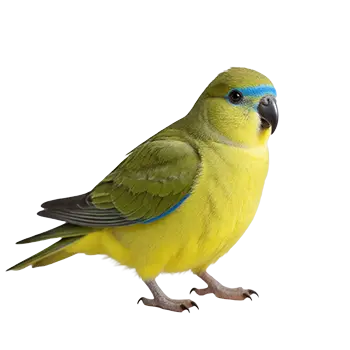

The Weaning Transition

Weaning represents one of the most consequential transitions in a young Rock Parrot's life, marking the shift from complete dependence on hand-feeding formula or parental regurgitation to self-sufficient consumption of solid foods. In Rock Parrots, this process typically begins around five to six weeks of age and may extend over several weeks before the bird is fully independent. Rushing the weaning process is one of the most common and damaging mistakes made by inexperienced breeders, as it can lead to malnutrition, stunted growth, and lasting behavioral insecurity.

The first signs that a Rock Parrot chick is ready to begin weaning are a declining enthusiasm for formula feedings and an increasing interest in its surroundings, particularly any food items visible nearby. You may notice the chick picking up and mouthing small seeds, bits of millet spray, or pieces of soft vegetable placed in its enclosure. These exploratory behaviors are not yet true eating, but they indicate that the chick's neurological and motor development has reached the point where it can begin learning to hull seeds and manipulate solid food with its beak.

During the weaning period, continue offering formula feedings on a gradually extending schedule while simultaneously making a variety of appropriate solid foods freely available. Small seeds such as canary grass seed, white millet, and a quality small-parrot seed mix should be scattered on the floor of the enclosure and placed in shallow dishes at perching height. Finely chopped dark leafy greens, small pieces of carrot, and tiny wedges of apple provide nutritional variety and introduce the chick to the textures and flavors of fresh produce. Do not withdraw formula abruptly; instead, let the chick's declining interest in formula and its increasing consumption of solids guide the pace of the transition.

Weight monitoring becomes especially important during weaning. It is normal for a juvenile Rock Parrot to experience a slight weight plateau or even a minor dip during the transition as it learns to consume enough solid food to meet its caloric needs. However, a sustained weight loss exceeding five percent of body weight over several days signals that the chick is not yet consuming enough solids to compensate for the reduction in formula and that formula feedings should be temporarily increased until the bird's foraging skills catch up.

Diet & Nutritional Needs

Once a juvenile Rock Parrot has completed the weaning process, establishing a balanced and varied diet is essential for supporting the rapid growth, feather development, and immune maturation that characterize this life stage. Rock Parrots are predominantly granivorous in the wild, feeding on the seeds of coastal grasses and low-growing shrubs along the southern Australian shoreline, but a captive diet that relies exclusively on dry seed mix fails to provide the full spectrum of nutrients a growing juvenile requires.

A high-quality small-parrot seed mix forms the dietary foundation and should include canary grass seed, multiple varieties of millet, and small amounts of niger seed and oat groats. This seed mix should be supplemented daily with fresh vegetables and greens. Dark leafy greens such as dandelion leaves, endive, and romaine lettuce offer calcium, vitamin A precursors, and trace minerals. Finely grated carrot, small pieces of broccoli floret, and thinly sliced snow peas add dietary variety and encourage foraging behavior. Fruit should be offered in limited quantities due to its sugar content, with small portions of apple, pear, or berries provided a few times per week as enrichment rather than a dietary staple.

A formulated pellet diet designed for small parrots can serve as a valuable nutritional supplement, ensuring the bird receives balanced vitamins and minerals that seed alone may not provide. Introducing pellets during the juvenile period, when the bird is still forming its food preferences, is significantly easier than attempting to convert an adult bird that has been raised exclusively on seed. Offer pellets in a separate dish alongside the seed mix, and expect a gradual acceptance over weeks rather than immediate enthusiasm.

Calcium and vitamin D3 supplementation deserve particular attention during the juvenile stage. Rapid bone growth and the development of the first full set of contour feathers place heavy demands on the bird's calcium reserves. A cuttlebone or mineral block should be available at all times, and a veterinarian-recommended liquid calcium and D3 supplement can be added to the drinking water or soft food several times per week. Avoid over-supplementation, which carries its own risks; follow your avian veterinarian's dosing guidance precisely.

Fresh, clean water must be available at all times and changed at least twice daily. Juvenile Rock Parrots are active and messy, and water dishes quickly become contaminated with seed husks, droppings, and food debris. A covered or tube-style water dispenser can reduce contamination, though some juveniles may need time to learn how to use one. During the transition, offer both an open dish and the new dispenser simultaneously until you confirm the bird is drinking reliably from the latter.

Fledging & Flight Development

Fledging is the moment a juvenile Rock Parrot takes its first sustained flight, and it marks a dramatic leap in the bird's physical capability and psychological confidence. In Rock Parrots, fledging typically occurs between five and six weeks of age, though individual variation is normal. The days leading up to the first flight are characterized by vigorous wing-flapping exercises on the perch, brief hovering attempts, and an unmistakable restlessness as the bird instinctively prepares to become airborne.

Before the anticipated fledging date, the environment must be made safe for a bird that will have minimal flight control during its first attempts. Remove or cover mirrors and windows, which a fledgling cannot distinguish from open space. Ceiling fans should be turned off and kept off whenever the bird is outside its enclosure. Cover any open water containers, pots, or gaps behind furniture where a crash-landing bird could become trapped or injured. The fledging space should be a single room with soft surfaces and limited vertical hazards.

The first flights are typically short, clumsy, and end with ungraceful landings on the floor, against walls, or on unexpected surfaces. This is entirely normal. A fledgling Rock Parrot's flight muscles are still developing strength and endurance, and its neurological coordination for banking, turning, and controlled landing requires practice. Resist the urge to clip the flight feathers at this stage. Early flight experience is critical for developing the cardiovascular fitness, spatial awareness, and muscular coordination that the bird will rely on throughout its life. Birds denied the opportunity to fledge properly often develop chronic coordination deficits and may struggle with confidence in movement.

Over the following two to three weeks, flight proficiency improves rapidly. The juvenile will progress from short, straight-line bursts to controlled turns, altitude changes, and increasingly precise landings on designated perches. Encourage this development by placing perches at varying heights and locations around the flight-safe room. Calling the bird from one perch to another with a food reward builds both flight skill and the social bond between bird and caregiver. By eight to nine weeks of age, a healthy juvenile Rock Parrot should be capable of confident, controlled flight within a domestic space.

Behavioral Development & Socialization

The juvenile period is the most formative window for shaping a Rock Parrot's lifelong temperament and social behavior. Rock Parrots are inherently more cautious and less demonstrative than many companion parrot species, a temperament shaped by their wild existence among exposed coastal rocks where wariness is a survival asset. In captivity, this natural reserve can become problematic shyness or fearfulness if the juvenile bird is not gently and consistently exposed to a range of people, environments, and experiences during this critical developmental phase.

Socialization during the juvenile stage should be a daily, structured activity rather than an occasional event. Handle the bird for multiple short sessions throughout the day, each lasting ten to twenty minutes. During these sessions, offer preferred treats from your hand to reinforce the positive association between human contact and pleasant outcomes. Speak to the bird in a calm, steady voice and avoid sudden movements that might trigger a startle response. Rock Parrots rarely become the cuddly, affection-seeking companions that some larger parrot species can be, but a well-socialized juvenile will step up readily, tolerate handling without distress, and remain calm in the presence of unfamiliar people.

Environmental enrichment becomes increasingly important as the juvenile's cognitive abilities expand. Provide a rotation of foraging toys, shredding materials, and puzzle feeders that encourage problem-solving and physical manipulation. Small foot toys made from untreated wood, leather strips, and woven palm leaf are appropriate for Rock Parrots. Avoid toys designed for larger parrots, as oversized hardware and heavy components can injure a small Neophema species. Change the arrangement of perches and toys within the enclosure regularly to provide novelty and stimulate exploratory behavior.

Introduce the juvenile to normal household stimuli gradually. A television or radio playing at moderate volume accustoms the bird to varied sounds. Brief, supervised exposure to different rooms in the home expands the bird's comfort zone. If other pets are present, allow the Rock Parrot to observe them from the safety of its enclosure before any closer introductions, and never leave the bird unsupervised with cats, dogs, or larger parrots. The goal of juvenile socialization is to produce a bird that is curious and adaptable rather than fearful and reactive, and steady, positive exposure is the path to that outcome.

Watch for behavioral warning signs during this period. A juvenile that consistently retreats to the back of the enclosure when approached, bites defensively during handling, or remains frozen and unresponsive in the presence of people may be undersocialized or experiencing excessive stress. Adjust your approach by reducing the intensity and duration of handling sessions, increasing the value of food rewards, and eliminating any environmental stressors you can identify. Patience is essential; forcing interaction on a frightened juvenile will worsen rather than improve its sociability.

The Juvenile Molt

The juvenile molt is a defining physiological event in a young Rock Parrot's development, during which the dull, somewhat indistinct plumage of the chick is gradually replaced by the crisper, more vivid feathering of a subadult bird. This first molt typically begins around three to four months of age and can extend over several weeks as feathers are shed and regrown in a progressive pattern across the body. Understanding the demands this process places on the bird's body helps caregivers provide the support necessary for a smooth and complete molt.

During the juvenile molt, the bird's nutritional requirements increase significantly. Feather production is a protein-intensive process, and the growing feathers also demand substantial quantities of amino acids, particularly methionine and cysteine, which are building blocks of keratin. Increase the dietary offering of protein-rich foods such as sprouted seeds, cooked egg food, and small quantities of well-cooked legumes. Continue providing cuttlebone and mineral supplementation, as the simultaneous demands of skeletal maturation and feather growth place heavy pressure on the bird's mineral reserves.

The molting bird may appear somewhat ragged and uncomfortable as old feathers loosen and new pin feathers push through the skin. Pin feathers are encased in waxy keratin sheaths that can cause itching and irritation, and the bird will spend increased time preening to break open these sheaths and release the emerging feathers. Occasional light misting with lukewarm water helps soften the feather sheaths and soothes irritated skin. Most Rock Parrots tolerate a gentle spray from a clean plant mister held at a distance, though individual preferences vary.

Behavioral changes during the molt are common and should not be mistaken for illness or behavioral regression. A molting juvenile may be more irritable than usual, less interested in handling, and slightly lethargic as its body diverts energy toward feather production. Appetite may fluctuate, and sleep requirements often increase. Respect these temporary shifts by reducing the intensity of interaction sessions and ensuring the bird has ample quiet time for rest. If, however, the bird shows signs of abnormal molt such as persistent bald patches, feathers that grow in twisted or deformed, stress bars across multiple feathers, or feather picking behavior, consult an avian veterinarian to rule out nutritional deficiency, viral infection, or other underlying health concerns.

Housing & Enclosure Requirements

As a juvenile Rock Parrot transitions from brooder to cage life, the enclosure becomes its primary living space and must be designed to support the bird's physical, behavioral, and psychological needs. Rock Parrots are active, ground-oriented birds that benefit from horizontal flight space rather than tall, narrow enclosures. The minimum recommended cage dimensions for a single juvenile Rock Parrot are 30 inches long by 18 inches wide by 18 inches high, though larger is always better, particularly if the bird will spend extended periods inside the enclosure.

Bar spacing is a critical safety consideration for small Neophema species. Bars should be spaced no more than half an inch apart to prevent the bird from wedging its head between them, which can cause injury or strangulation. Horizontal bars on at least two sides of the cage facilitate climbing, which Rock Parrots enjoy and which provides valuable exercise. The cage should be constructed from powder-coated or stainless steel to prevent zinc or lead toxicity from galvanized wire, a serious and sometimes fatal hazard for small parrots.

Perch variety within the enclosure promotes foot health and provides environmental enrichment. Include natural wood perches of varying diameters alongside one or two rope perches. Avoid sandpaper-covered perches entirely, as they abrade the delicate skin of the feet and can lead to bumblefoot and other podal infections. Position perches at different heights and angles, but ensure the bird can move between them without fouling food or water dishes below. At least one perch should be placed at the highest available point in the cage, as this is where the bird will prefer to sleep.

Cage placement within the home significantly affects the juvenile's sense of security and its ongoing socialization. Position the cage in a room where the family spends regular time, such as a living room or kitchen adjacent area, so the bird remains part of the household's daily rhythm. Avoid placing the cage directly beside a window where temperature fluctuations, direct sunlight overheating, and the visual stress of outdoor predators like cats or raptors could affect the bird. One side of the cage should be positioned against a wall to give the bird a sense of backed security, while the remaining sides allow visual engagement with the room.

The cage floor should be lined with plain newsprint or unscented paper towels, changed daily, to allow monitoring of droppings. A shallow dish of clean bathing water can be placed on the cage floor several times per week, as juvenile Rock Parrots often enjoy floor-level bathing. Remove the bath dish after an hour to prevent contamination and excessive humidity within the enclosure.

Veterinary Care & Health Monitoring

The juvenile period brings its own set of health considerations that differ from the neonatal risks faced during the first weeks of life. A juvenile Rock Parrot should receive a comprehensive veterinary examination at approximately eight to ten weeks of age, coinciding with the completion of weaning and the bird's transition to independent living. This visit establishes an updated health baseline and allows the veterinarian to assess whether the bird's growth, feather development, and overall condition are on track for its age.

The post-weaning examination typically includes a physical assessment, crop and fecal sampling, and a review of the bird's weight trajectory since hatching. If initial disease screening was not performed during the neonatal period, this visit is the appropriate time to test for Psittacine Beak and Feather Disease, Polyomavirus, and Psittacosis. For Rock Parrots that will be housed with other birds, these tests are not optional; introducing an untested juvenile into a mixed collection puts every bird in the aviary at risk.

Between veterinary appointments, daily observation remains the caregiver's most powerful diagnostic tool. Establish a habit of spending a few minutes each morning simply watching the bird before it is aware of your attention. A healthy juvenile Rock Parrot will be alert, active, and interested in its surroundings. It will preen regularly without obsessive repetition, eat and drink normally, and produce well-formed droppings with a consistent appearance. Any deviation from this baseline, particularly lethargy, fluffed posture, changes in droppings, nasal discharge, or a shift in vocalization patterns, warrants closer investigation and potentially a veterinary visit.

Parasitic infections, both internal and external, are a concern for juvenile Rock Parrots, especially those housed in outdoor aviaries or acquired from large breeding collections. Intestinal worms, coccidia, and external parasites such as feather mites and air sac mites can all affect Neophema species. Regular fecal screening, at minimum every six months for the first year, helps catch parasitic burdens before they cause clinical disease. If mites are suspected based on symptoms such as excessive scratching, feather damage, or audible respiratory clicking at night, your veterinarian can perform targeted diagnostics and prescribe appropriate antiparasitic treatment.

Vaccination protocols for psittacines are limited compared to those available for dogs and cats, but your avian veterinarian may recommend specific preventive treatments based on your geographic region and the bird's housing situation. Polyomavirus vaccination, where available, may be recommended for juveniles that will be part of a breeding program or that will be housed in close proximity to other birds. Discuss preventive care options with your veterinarian and follow their guidance on scheduling for any recommended treatments.

Always consult a qualified professional before making any health-related decisions. This content is provided for informational reference only and should not replace professional guidance specific to your animal.