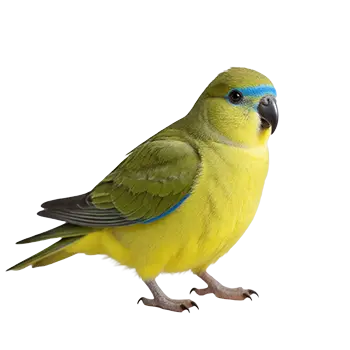

The transition from adulthood into the senior years is gradual in Rock Parrots and does not arrive with a single dramatic announcement. Most Rock Parrots begin to show the first subtle signs of aging around seven to nine years of age, though individual variation is significant and influenced by genetics, lifetime nutrition, environmental quality, and the presence or absence of chronic health conditions. Understanding what constitutes normal aging in this species allows caregivers to distinguish between expected changes and symptoms that warrant medical investigation.
One of the earliest visible markers of advancing age is a gradual decline in activity level. A Rock Parrot that once flew eagerly during out-of-cage time may begin to prefer walking or climbing, and its overall movement around the enclosure may become less frequent and less energetic. This shift is partly due to declining muscle mass and cardiovascular efficiency, and partly due to the joint stiffness and reduced flexibility that develop as connective tissues age. A modest reduction in activity is normal, but a sudden or dramatic decrease suggests an acute problem rather than simple aging and should prompt a veterinary evaluation.
Feather quality often changes as a Rock Parrot enters its senior years. Molt cycles may become prolonged, and the new feathers that emerge may lack the vivid coloration and smooth structure of prime adult plumage. Some senior birds develop a slightly rougher, duller appearance even after completing a full molt. These cosmetic changes are typically benign, but they can also be early indicators of nutritional deficiency, liver compromise, or underlying viral infection, so they should be noted and discussed with your veterinarian at the next scheduled visit.
Behavioral shifts are another hallmark of the senior stage. An aging Rock Parrot may become more attached to routine and less tolerant of disruption. It may sleep longer, show less interest in novel toys or environmental changes, and spend more time sitting quietly on a preferred perch. These changes reflect normal cognitive and energetic adjustments. However, extreme withdrawal, loss of interest in food or interaction, or sudden changes in temperament such as new aggression or fearfulness can signal pain, neurological changes, or other medical issues that require professional attention.