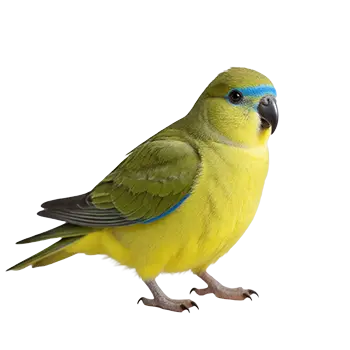

Pair Selection & Compatibility

Successful Rock Parrot breeding begins long before any eggs are laid, with the careful selection and pairing of healthy, compatible birds. Rock Parrots reach sexual maturity at approximately 12 to 18 months of age, though responsible breeders typically wait until birds are at least two years old before allowing them to breed. This delay ensures that both the cock and the hen have reached full physical maturity and that their skeletal, muscular, and reproductive systems are robust enough to handle the demands of the breeding cycle without compromising their long-term health.

Genetic diversity should be a central consideration in pair selection. Rock Parrots have a relatively limited gene pool in aviculture compared to more commonly bred Neophema species such as the Bourke's Parrot or the Turquoise Parrot. Pairing closely related individuals increases the risk of inbreeding depression, which can manifest as reduced fertility, smaller clutch sizes, lower chick viability, and an elevated incidence of congenital abnormalities. Maintain detailed breeding records and, where possible, source unrelated stock from different bloodlines to strengthen the genetic foundation of your breeding program.

Compatibility between the cock and hen is not guaranteed and should be assessed before the breeding season begins. Place prospective pairs in adjacent enclosures where they can see, hear, and interact through the wire without physical contact. Compatible birds will show interest in each other through proximity seeking, mutual vocalizations, and relaxed body language. Aggression, persistent avoidance, or visible stress in either bird indicates incompatibility, and forcing a pairing under these circumstances typically results in failed breeding attempts, physical injury, or chronic stress that undermines both birds' health.

Both birds in the prospective pair should undergo a thorough veterinary examination before breeding is permitted. This pre-breeding health screen should include a physical assessment, blood work, fecal analysis, and testing for Psittacine Beak and Feather Disease, Polyomavirus, and Chlamydiosis. Breeding from birds that carry transmissible diseases risks infecting the mate, the chicks, and any other birds in the collection. Additionally, the hen's calcium status should be evaluated, as calcium depletion during egg production is one of the most serious health risks faced by breeding female parrots.

Pre-Breeding Conditioning

Conditioning the breeding pair in the weeks leading up to the breeding season is essential for maximizing fertility, supporting the hen through the physical demands of egg production, and ensuring that both parents are in optimal health to raise a clutch. In the wild, Rock Parrots breed during the Australian spring and early summer, roughly August through December. Captive breeding seasons may be adjusted through photoperiod manipulation, but the physiological principles of pre-breeding conditioning remain the same regardless of the calendar.

Nutritional conditioning is the foundation of breeding preparation. Begin enhancing the diet approximately six to eight weeks before the anticipated breeding period. Increase the provision of calcium-rich foods, sprouted seeds, and protein sources such as cooked egg food. A veterinarian-recommended calcium and vitamin D3 supplement should be provided to the hen daily, as the formation of each eggshell draws heavily on her calcium reserves. Hens that enter the breeding season with depleted calcium stores are at serious risk for egg binding, a potentially fatal condition in which the egg cannot pass through the oviduct.

Photoperiod adjustment triggers the hormonal cascade that prepares both birds for breeding. Gradually increase the daily light period from the standard 10 to 12 hours up to 13 to 14 hours over the course of three to four weeks. This lengthening daylight simulates the approaching spring that would naturally trigger breeding readiness in wild populations. Use a full-spectrum avian light on a timer to ensure consistent, controlled photoperiod changes. Abrupt shifts in lighting can cause hormonal confusion and may trigger incomplete or disorganized reproductive behavior.

Environmental enrichment during the conditioning period should include the introduction of nesting materials and the nest box itself. Rock Parrots in the wild nest in crevices among coastal rocks, beneath overhanging ledges, and occasionally in low scrubby vegetation. A captive nest box for Rock Parrots should approximate this sheltered, semi-enclosed environment. A wooden nest box with interior dimensions of approximately 6 by 6 by 10 inches, mounted at a moderate height within the enclosure, provides a suitable artificial nest site. Line the bottom with a layer of wood shavings or decomposed non-toxic hardwood to create a substrate for the eggs.

Monitor both birds closely during the conditioning period for signs of readiness. The cock may begin courtship feeding, where he regurgitates food for the hen, and may perform characteristic head-bobbing and soft vocalizations directed at the hen. The hen may begin investigating the nest box, spending increasing amounts of time inside, and may assume a solicitation posture when the cock approaches. These behavioral cues indicate that the hormonal and psychological conditioning is on track and that the pair is approaching breeding readiness.

Nesting & Egg Laying

Once the breeding pair has been conditioned and the hen begins spending regular time inside the nest box, egg laying typically follows within one to three weeks. Rock Parrots produce a clutch of four to five eggs on average, though clutches of three or six occur occasionally. Eggs are laid on alternate days, with the hen typically depositing one egg every 48 hours until the clutch is complete. The eggs are small, white, and slightly oval, measuring approximately 21 by 17 millimeters.

The hen may or may not begin incubating immediately after the first egg is laid. In many Rock Parrot pairs, full incubation does not begin until the second or third egg has been laid, which results in more synchronous hatching across the clutch. Some hens begin incubating from the first egg, which leads to staggered hatching and chicks of different sizes and developmental stages within the nest. Neither pattern is abnormal, and the breeder should be prepared to manage whichever approach the hen adopts.

During the laying period, the hen's nutritional demands peak. Ensure that calcium supplementation continues without interruption and that fresh, nutrient-dense food is always available. The physical process of forming and laying eggs places enormous strain on the hen's body, particularly her calcium reserves and reproductive musculature. Watch for any signs of egg binding, which include the hen straining on the nest box floor, fluffing up with labored breathing, reluctance to move, and passing droppings that appear unusual in volume or consistency. Egg binding is a veterinary emergency that requires immediate professional intervention; delays can result in the death of the hen.

Minimize disturbance to the nest box during the laying period and throughout incubation. Brief daily inspections to check on the hen and count the eggs are acceptable, but prolonged handling of the eggs, excessive noise near the enclosure, and unnecessary disturbance to the nesting area can cause the hen to abandon the clutch. Conduct inspections at a consistent time each day, preferably when the hen has briefly left the nest to eat or drink, and keep the inspection window to under two minutes.

Infertile eggs are a common occurrence, particularly in first-time pairs or pairs that have not fully bonded. If the pair has been given adequate conditioning and the eggs remain clear after seven to ten days of incubation when candled with a bright, focused light, infertility is the likely cause. Review your pair selection, conditioning protocol, and environmental setup before the next breeding attempt. Persistent infertility across multiple clutches warrants veterinary investigation to rule out reproductive pathology in either bird.

Incubation & Egg Management

The incubation period for Rock Parrot eggs spans approximately 18 to 21 days from the onset of full incubation. The hen performs the vast majority of incubation duties, sitting tightly on the eggs and leaving the nest only for brief periods to feed, drink, and defecate. The cock typically stations himself near the nest box entrance during incubation, acting as a sentinel and often feeding the hen through the entrance hole so that she can minimize her time away from the eggs.

Egg candling is a valuable management tool that allows the breeder to assess fertility and embryonic development without disturbing the clutch unduly. Using a small, bright LED candler, gently lift each egg from the nest and illuminate it from below. By day five to seven of incubation, fertile eggs will show visible vascular development, a network of fine blood vessels radiating from a central embryonic mass. Infertile eggs remain uniformly translucent or show a faint, undifferentiated shadow. Dead-in-shell embryos display a dark, unstructured mass without the organized vascular pattern of a living embryo. Remove confirmed infertile eggs to allow the hen to concentrate her incubation effort on the viable eggs.

Temperature and humidity in the vicinity of the nest box influence hatch success. The enclosure temperature should be maintained within the normal range for adult Rock Parrots, approximately 65 to 80 degrees Fahrenheit, with the hen's body heat providing the precise incubation temperature the eggs require. Ambient humidity between 50 and 60 percent supports proper gas exchange through the eggshell and prevents excessive moisture loss from the developing embryo. In very dry environments, placing a shallow dish of water near the nest box can raise local humidity to an acceptable level.

As the expected hatch date approaches, the breeder should prepare for the possibility that intervention may be needed. Not all chicks pip and hatch successfully on their own. A chick that has pipped the shell but has not progressed further within 24 hours may require assisted hatching, a delicate procedure best performed under veterinary guidance or by an experienced breeder. Having a heated brooder ready, emergency hand-feeding supplies prepared, and your avian veterinarian's emergency contact number at hand ensures that you are prepared to act if the hatching process does not proceed normally.

Rearing & Parental Behavior

Rock Parrots are generally attentive and capable parents, though individual variation in parental competence exists, and first-time pairs may exhibit uncertainty or inconsistency in their chick-rearing behavior. Once the chicks hatch, the hen assumes the primary feeding role during the first week, delivering small amounts of crop milk and softened seed matter to the helpless neonates. The cock contributes by feeding the hen, who in turn passes those nutrients to the chicks, and as the chicks grow, the cock may begin feeding them directly as well.

Monitor chick growth daily by weighing each chick at the same time each day using a precise gram scale. Healthy Rock Parrot chicks should gain weight steadily during the first three weeks, with any stagnation or decline prompting immediate investigation. If a chick is consistently smaller and lighter than its clutch mates, it may be receiving inadequate feeding from the parents, a situation that occurs most commonly with the youngest chick in a staggered-hatch clutch. Supplemental hand-feeding of the underfed chick, while allowing it to remain in the nest with its siblings, often resolves the disparity.

Nest hygiene requires regular attention during the rearing period. As the chicks grow and produce increasing volumes of droppings, the nest substrate becomes soiled and must be partially replaced to prevent bacterial and fungal buildup. Gently remove the most heavily soiled material and add fresh shavings, working quickly and calmly to minimize the disturbance to the hen and chicks. A nest that becomes excessively dirty poses a significant health risk, particularly for bacterial skin infections and respiratory disease in young chicks whose immune systems are still immature.

Decisions about whether to parent-raise or hand-raise the chicks depend on the breeder's goals and circumstances. Parent-rearing produces birds that are well-socialized to their own species and that tend to make better breeding stock in the future. Hand-rearing from an early age produces tamer birds that bond more readily with human owners, which is desirable if the chicks are destined for companion homes. A middle-ground approach, allowing the parents to raise the chicks for the first two to three weeks and then pulling them for hand-feeding, combines the benefits of parental feeding and early immune support with the tameness advantages of human socialization during the critical developmental window.

Breeding Complications & Intervention

Even with careful planning and experienced breeding pairs, complications can arise at any point in the reproductive cycle. Being prepared to recognize and respond to these complications promptly is an essential aspect of responsible aviculture. The most dangerous complications tend to involve the hen's health, as the physical demands of egg production and incubation place her at substantially greater risk than the cock during the breeding season.

Egg binding is the most serious acute complication faced by breeding hens. This condition occurs when a fully formed egg becomes lodged in the oviduct and cannot be passed naturally. Contributing factors include calcium deficiency, inadequate muscle tone, oversized eggs, obesity, and environmental stress such as cold temperatures during the laying period. A hen that is egg-bound will typically sit on the cage floor with a fluffed appearance, strain repeatedly without producing an egg, show labored breathing, and may become progressively weaker. Egg binding is a life-threatening emergency. Immediate first aid includes placing the hen in a warm, humid environment, such as a small container positioned half over a heating pad with a damp towel inside, while arranging emergency veterinary transport.

Clutch abandonment, in which the hen stops incubating before the eggs have hatched, can occur for a variety of reasons including disturbance, illness, inexperience, or inadequate pair bonding. If the hen abandons viable eggs, the breeder must decide whether to attempt artificial incubation using a dedicated egg incubator set to approximately 99.5 degrees Fahrenheit with 55 to 60 percent humidity, or to foster the eggs under another sitting hen if one is available. Artificial incubation of small parrot eggs requires precise temperature and humidity control and frequent manual turning, and hatch rates are generally lower than under natural incubation.

Chick mortality in the nest is a painful but not uncommon occurrence, particularly in first clutches. Causes range from parental inexperience and accidental crushing to congenital defects and infectious disease. If a chick is found dead in the nest, remove it promptly to prevent decomposition from affecting the surviving chicks. If multiple chicks die across a clutch, or if chick mortality is a recurring pattern across breeding attempts, submit deceased chicks for necropsy through your avian veterinarian. The necropsy results can identify infectious causes that may require treatment of the parent birds and environmental decontamination before future breeding attempts.

After the breeding season concludes, regardless of its success, both the cock and the hen should be given a period of recovery before any subsequent breeding is contemplated. Remove the nest box, return the photoperiod to non-breeding levels of 10 to 12 hours, and ensure both birds receive excellent nutrition to replenish depleted reserves. Breeding Rock Parrots more than once or at most twice per year risks chronic health decline in the hen and diminished chick quality in successive clutches.

Record Keeping & Ethical Breeding

Meticulous record keeping is the administrative backbone of any responsible breeding program and is especially important for a species with a limited captive gene pool like the Rock Parrot. Comprehensive records serve multiple purposes: they enable informed genetic pairing decisions, provide a health history that benefits both the birds and their veterinarian, document lineage for registration and sale purposes, and contribute to the broader knowledge base that supports the species' long-term viability in aviculture.

For each breeding pair, maintain records that include the birds' identification numbers or bands, their parentage and origin, health testing results, conditioning dates and protocols, clutch dates and sizes, fertility and hatch rates, chick growth data, and any complications encountered. These records should be stored in a format that is durable and searchable, whether that is a dedicated aviculture database, a spreadsheet, or a well-organized physical logbook. Digital backup of all records is strongly recommended.

Genetic management extends beyond simply avoiding sibling pairings. Track the lineage of every bird in your program and consult with other breeders to identify potential outcross opportunities when your available gene pool narrows. Participating in regional or national avicultural studbook programs, where they exist for Neophema species, helps coordinate breeding across collections to maximize genetic diversity. The long-term survival of Rock Parrots in captivity depends on breeders who look beyond individual clutch production and consider the population-level consequences of their pairing decisions.

Ethical breeding carries obligations that extend to the chicks produced. Every chick should have a planned destination before it hatches, whether that is retention in the breeding program, placement in a pre-screened companion home, or transfer to another reputable breeder. Overproduction without demand leads to birds ending up in rescue systems, resold repeatedly, or kept in substandard conditions. Responsible breeders limit their production to what the market and their network can absorb, prioritize the welfare of every individual bird, and are willing to take back birds they have produced if the original placement fails.

Finally, consider the conservation context of your breeding efforts. The Rock Parrot is not currently classified as endangered, but its wild populations face ongoing pressure from habitat degradation, introduced predators, and human disturbance of nesting sites along the Australian coastline. A well-managed captive population, maintained with attention to genetic diversity and species-appropriate husbandry, serves as an insurance policy against future wild population declines and contributes to public education about the ecological significance of this understated but remarkable coastal parrot.

Always consult a qualified professional before making any health-related decisions. This content is provided for informational reference only and should not replace professional guidance specific to your animal.