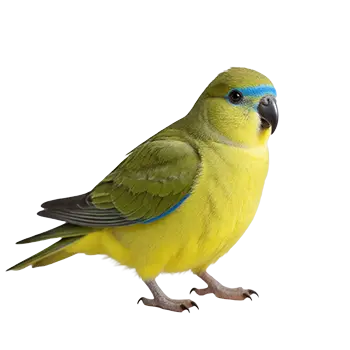

An adult Rock Parrot's diet must strike a careful balance between the species' granivorous preferences and the broader nutritional requirements of a captive bird that cannot forage across the diverse coastal habitats available to its wild counterparts. By the time a Rock Parrot reaches full adulthood, typically around 12 to 14 months of age, its dietary habits are well established, and making significant changes becomes more challenging. This is why the dietary foundation laid during the juvenile period is so important, though improvements can still be made with patience and persistence.
The core of the adult diet should be a high-quality small-parrot seed mix supplemented with a formulated pellet. Seeds alone, while eagerly consumed, are deficient in several essential vitamins and minerals and tend to be excessively high in fat. A diet composed entirely of seed predisposes the bird to obesity, fatty liver disease, and calcium deficiency, all of which significantly shorten lifespan and degrade quality of life. Pellets fill the nutritional gaps that seed leaves open, and an adult Rock Parrot that was introduced to pellets during weaning will typically accept them as a routine part of its diet without resistance.
Fresh produce should constitute approximately 20 to 30 percent of the daily intake by volume. Offer a rotating selection of dark leafy greens such as kale, Swiss chard, dandelion greens, and endive. Orange and yellow vegetables including sweet potato, butternut squash, and carrot provide beta-carotene, which supports immune function and contributes to feather vibrancy. Small quantities of fruit, limited to a few times per week, add dietary enrichment without contributing excessive sugar. Remove uneaten fresh foods within a few hours to prevent bacterial growth, particularly during warm weather.
Calcium supplementation remains important throughout adulthood. A cuttlebone or mineral block should be permanently available in the cage, and many Rock Parrots will use these regularly once habituated. For birds that ignore the cuttlebone, a powdered calcium supplement lightly dusted over moist vegetables provides an alternative delivery method. Adequate calcium intake prevents the gradual bone demineralization that can become a serious problem in aging parrots, particularly in breeding hens whose calcium reserves are depleted by egg production.
Clean water, refreshed at least twice daily, is a non-negotiable component of adult care. Some keepers supplement the water with avian-specific vitamin drops on a veterinarian-recommended schedule, though this should complement rather than replace dietary sources of nutrition. Monitor water consumption as part of your daily routine, since a sudden increase or decrease in drinking can be an early sign of illness, kidney stress, or environmental discomfort.