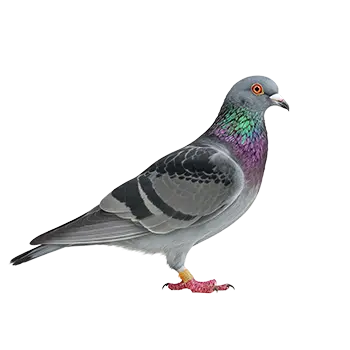

Peak Conditioning & Race Fitness

The adult Racing Homer Pigeon reaches its competitive prime between approximately two and seven years of age, a period during which the bird's physical strength, navigational experience, and psychological confidence converge to produce peak performance. Conditioning a Racing Homer for competition is both a science and an art, requiring the keeper to balance training intensity, nutritional management, rest, and health maintenance in a program tailored to the individual bird's strengths and the demands of the racing calendar.

Daily exercise is the foundation of race conditioning. Adult Racing Homers should be flown around the loft at least once daily, with many competitive lofts flying their birds twice a day during the racing season. The morning session typically lasts 45 to 90 minutes, during which the birds fly freely, circling the loft at increasing distances as their fitness improves. The duration and intensity of these sessions are gradually increased in the weeks leading up to the racing season, following a periodized approach similar to athletic training programs. Overtraining is a real risk that manifests as lethargy, weight loss, and poor race returns, so building in rest days is as important as the exercise itself.

Road training during the racing season supplements loft exercise with targeted navigational practice. Training tosses of 20 to 50 miles, conducted once or twice per week between races, keep the bird's homing instincts sharp and reinforce the motivational drive to return quickly. The direction of training tosses should be varied to prevent the bird from becoming dependent on a single route or set of landmarks. Some fanciers also conduct line-of-flight training, releasing birds along the general direction of upcoming race release points, to familiarize the bird with the terrain it will traverse during competition.

Assessing race fitness requires more than observing a bird in the air. The experienced handler evaluates the bird in hand, checking the weight and muscle tone of the breast, the condition of the plumage, the clarity and brightness of the eye, the firmness of the wing, and the bird's overall demeanor. A bird in peak condition feels solid but not heavy, has tight, silky plumage with a noticeable sheen, holds its wings firmly against the body when handled, and exhibits a calm but alert disposition. Birds that feel light or whose breast muscle has softened are not in condition to race and should be given additional time to build fitness before being shipped.

Racing Systems & Motivation

The method by which a Racing Homer Pigeon is motivated to return home quickly during a race is one of the most debated and studied aspects of the sport. Several racing systems have been developed over decades, each leveraging a different aspect of the pigeon's natural behavior to create urgency in the bird's return. The choice of racing system profoundly affects loft management, daily routines, and the overall structure of the adult bird program.

The widowhood system is the most widely used racing method for adult Racing Homer cocks and has produced consistently strong results across competitive circuits worldwide. Under this system, paired cocks are separated from their hens except for a brief reunion before being shipped to a race. The cock's powerful drive to return to its mate creates exceptional motivation to fly home quickly. Managing widowhood effectively requires separate housing for cocks and hens, precise timing of the reunion period, and careful control of the nesting instinct to prevent the cock from becoming too settled or too distracted. The hen is shown to the cock for a controlled period, typically 15 to 30 minutes, before the cock is crated for transport to the race release point. Upon returning from the race, the cock is reunited with its hen as a reward, reinforcing the association between racing effort and the desired outcome.

The natural system races birds that are caring for eggs or feeding young, leveraging the parental instinct rather than the mating drive. Pairs are allowed to nest and rear young on a schedule that places them at the optimal stage of the breeding cycle for each race. A bird that is sitting tight on eggs or feeding small squabs has a powerful motivation to return to the nest. The natural system is popular in many European racing traditions and is often used for hens, who may not respond as strongly to widowhood separation. The challenge lies in coordinating the breeding cycle with the racing calendar, which requires precise management of pairing dates and nest progression.

The roundabout or jealousy system introduces a competitive social element to the bird's motivation. Under this method, a rival bird is placed near the returning racer's nest or mate, triggering a territorial response that drives the racer to enter the loft quickly to defend its position. This system requires careful handling to avoid excessive aggression or stress, and it is typically used as a supplementary motivational tool rather than a primary racing method. Regardless of the system chosen, the underlying principle is the same: the Racing Homer must have a compelling reason to fly home as fast as its physiology allows, and the keeper's role is to create and manage that motivation ethically and effectively.

No single racing system suits every bird, and experienced fanciers often experiment with different approaches across seasons to determine which method produces the best results with their particular genetic line. Some birds respond strongly to widowhood motivation but perform poorly on the natural system, while others excel when racing to a nest of eggs but show little urgency under widowhood conditions. Observing individual responses and remaining flexible in management approach is the mark of a successful Racing Homer handler.

Nutrition for Performance

Feeding an adult Racing Homer Pigeon for competitive performance is a nuanced discipline that goes far beyond simply filling the hopper with a standard seed mix. The bird's nutritional needs fluctuate significantly throughout the year, varying with the demands of the racing season, the annual molt, the breeding period, and the off-season rest phase. A competitive feeding program adjusts the composition, quantity, and timing of the diet to match these changing demands and to deliver each bird to the race basket in optimal physical condition.

During the racing season, the feed mix emphasizes carbohydrates and fats as the primary energy sources for sustained flight. A typical race-season blend includes a higher proportion of corn, safflower, and peanuts, which provide the calorie-dense fuel a bird needs to power through flights that may last several hours. In the days immediately before a race, many fanciers shift to a lighter depurative mix composed of barley, wheat, milo, and small seeds, which cleanses the digestive system and reduces body weight slightly, allowing the bird to fly lighter and faster. After the race, a recovery mix rich in protein and fat replaces depleted energy stores and supports muscle repair.

Protein is critical during the molt and breeding phases. Feather growth is a protein-intensive process, and birds that receive inadequate protein during the annual molt produce feathers of inferior quality, shorter length, and weaker structure, all of which compromise aerodynamic performance in subsequent racing seasons. A molt-season feed mix typically includes a higher proportion of legumes such as peas, lentils, and maple peas, supplemented with brewer's yeast or a commercial amino acid supplement to ensure all essential amino acids are available in adequate quantities.

Supplement use in racing pigeon nutrition is widespread but requires informed judgment. Multivitamins, electrolytes, probiotics, and mineral supplements each serve a specific purpose when used at the right time. Electrolytes administered in the drinking water before and after races help maintain hydration and mineral balance during the physical stress of competition. Probiotics support gut health, particularly after antibiotic treatments that may disrupt the normal intestinal flora. Fat-soluble vitamins, particularly vitamins A, D, and E, support immune function, feather quality, and reproductive health. However, oversupplementation can be as harmful as deficiency, so follow veterinary guidance and avoid stacking multiple products whose ingredients overlap.

Feeding management, the logistics of how and when food is offered, matters as much as the feed composition itself. Controlled feeding, where the birds receive a measured ration once or twice daily and the uneaten grain is removed after a set period, keeps the birds lean and responsive. Ad libitum feeding, where food is available at all times, tends to produce overweight, lethargic birds that lack the edge needed for competitive racing. The feed should be offered in clean troughs that prevent contamination from droppings, and waterers should be refilled with clean water daily.

The Annual Molt

The annual molt is the single most important physiological event in the Racing Homer Pigeon's year outside of the racing season itself, and how it is managed determines the quality of plumage the bird carries into its next competitive campaign. Pigeons molt their flight feathers sequentially, beginning with the innermost primary and progressing outward to the tenth primary over a period of approximately four to six months. Body feathers, tail feathers, and secondary wing feathers are replaced concurrently, though the primaries receive the most attention from fanciers because they directly govern flight performance.

The timing of the molt in a racing loft is closely tied to the racing schedule. Birds typically begin dropping their first primary flight feather during the late stages of the racing season, with the molt accelerating once the season ends and the birds are placed on a rest program. Many fanciers manipulate lighting conditions in the loft to influence molt timing, extending artificial daylight hours to delay the onset of the molt during the racing season and then reducing light to simulate shorter days once the season concludes, encouraging rapid and thorough feather replacement.

Each primary feather takes approximately three to four weeks to grow from the pin stage to full length, so the complete replacement of all ten primaries requires sustained nutritional support over several months. During active molt, the bird's metabolic demand for protein increases substantially. Keratin, the structural protein of feathers, requires significant quantities of sulfur-containing amino acids, particularly methionine and cystine. A feed mix enriched with legumes, supplemented with brewer's yeast or a dedicated amino acid product, and accompanied by ample bathing opportunities creates the optimal conditions for strong feather growth.

Bathing deserves special emphasis during the molt. Access to clean bath water two to three times per week helps soften and loosen feather sheaths, encourages preening behavior that distributes natural oils across the plumage, and provides exercise and enrichment during a period when the birds are not being trained or raced. Some fanciers add a small amount of avian bath salts or apple cider vinegar to the bath water, believing it conditions the feathers and discourages external parasites. Regardless of additives, the primary benefit is the bathing behavior itself.

The quality of the newly grown feathers is a direct reflection of the bird's health and nutrition during the molt. Ideal feathers are broad, flexible, richly colored, and free of stress marks or structural weaknesses. A bird that completes its molt with a full set of strong, well-formed primaries enters the next racing season with a significant advantage. Conversely, feathers that are narrow, brittle, or marked by visible stress lines compromise flight efficiency and durability. Fanciers who invest careful attention in molt management consistently produce birds with superior plumage quality year after year.

Health Maintenance During the Racing Season

Maintaining the health of an adult Racing Homer Pigeon throughout the competitive season requires a proactive approach that anticipates common threats rather than merely reacting to illness after it appears. The racing season places unique stresses on the bird, including physical exertion during flights, exposure to birds from other lofts at the race club and during transport, and the metabolic demands of sustained peak performance. A structured health maintenance program, developed in consultation with an avian veterinarian experienced in pigeon medicine, keeps the racing team fit and competitive from the first race to the last.

Pre-season health screening is the cornerstone of the program. Before training begins in earnest, each bird should be examined and a representative sample of droppings tested for common pathogens. Trichomoniasis, coccidiosis, and intestinal worms are the three most prevalent parasitic conditions in racing pigeons, and clearing the flock of these organisms before the season begins ensures the birds enter training in clean condition. Many veterinarians recommend a targeted pre-season treatment course based on diagnostic findings rather than blanket preventive treatments, which can contribute to resistance over time.

During the racing season, the birds are exposed to a broader range of pathogens through contact with other pigeons at race liberation points and in transport crates shared with birds from multiple lofts. Post-race health monitoring is therefore essential. After each race, inspect every returning bird for signs of illness, including nasal discharge, eye inflammation, abnormal droppings, or reduced appetite. A consistent post-race protocol that includes fresh water with electrolytes, a recovery feed, and a brief observation period helps identify problems early before they spread through the loft.

Respiratory health is a particular concern during the racing season because transport in shared crates increases exposure to airborne pathogens. The respiratory complex in pigeons, which may involve Mycoplasma, Chlamydia, and various secondary bacteria and fungi, produces symptoms ranging from mild sneezing to severe air sac inflammation that can end a bird's season or its career. Maintaining excellent loft ventilation, avoiding overcrowding, and isolating birds that show respiratory symptoms are the first lines of defense. When respiratory disease does appear, prompt veterinary diagnosis and targeted treatment give the best chance of a quick recovery.

Injury management is an underappreciated aspect of racing season health care. Racing Homers may sustain wing or tail feather damage during transport, muscle strains from exertion during long races, or physical injuries from raptor attacks, wire strikes, or rough landings. A bird that returns from a race with damaged primaries may need to sit out subsequent races until the affected feathers are molted and replaced, since even a single broken primary significantly reduces flight efficiency. Muscle soreness after a demanding race responds to rest, adequate nutrition, and a brief reduction in training intensity before the next event.

Loft Management for Adult Birds

The racing loft is more than a shelter for adult Racing Homer Pigeons. It is a carefully engineered environment that supports health, reduces stress, and facilitates the daily management routines that keep a racing team functioning at its best. The design, cleanliness, and organization of the loft have a direct bearing on race performance, and experienced fanciers treat loft management as a competitive discipline in its own right.

Sectioning the loft to separate birds by function and gender is standard practice in competitive Racing Homer programs. A typical racing loft includes separate compartments for racing cocks, racing hens, stock breeding pairs, and young birds. This sectional approach allows the fancier to manage each group according to its specific needs and reduces the sexual tension, territorial aggression, and disease transmission risks that arise when all birds are housed in a single open space. The widowhood system, in particular, requires strict separation of cocks and hens during the racing season, with visual barriers preventing the birds from seeing their mates except during controlled reunion periods.

Perch design and spacing influence bird behavior and health in ways that many novice fanciers underestimate. Each adult bird should have its own designated perch or box, sized and positioned to allow the bird to rest without being crowded or harassed by neighbors. V-shaped perches that allow the bird to sit upright with its tail free of the wall are preferred over flat shelves, as they keep the plumage clean and reduce feather breakage. The spacing between perches should prevent birds from pecking at each other, with a minimum of eight to ten inches between positions. Numbering or color-coding perch locations and training each bird to its assigned spot creates orderly roosting behavior that reduces nighttime disturbances and stress.

Cleanliness is maintained through a daily routine that includes scraping droppings from the loft floor and perch surfaces, cleaning and refilling waterers and feeders, and inspecting the loft for any signs of vermin, mold, or structural damage. A weekly deep-cleaning session, during which all birds are released for exercise and the loft is thoroughly scraped, swept, and disinfected, keeps pathogen levels low. The choice of loft flooring affects cleaning efficiency. Smooth concrete or painted wooden floors are easier to scrape and disinfect than dirt or gravel floors, though some fanciers successfully use deep-litter systems with periodic replacement.

Ventilation cannot be overemphasized in adult loft management. The respiratory health of the entire team depends on continuous air exchange that removes ammonia, moisture, and airborne pathogens without creating uncomfortable drafts. Adjustable ridge vents along the loft roof allow warm, moist air to rise and escape, while screened intake vents along the lower walls draw in fresh air. In cold climates, balancing ventilation with heat retention during winter requires careful vent adjustment and may benefit from insulated wall construction. In hot climates, additional measures such as shade structures, reflective roofing, or even evaporative cooling may be necessary to prevent heat stress during summer months.

Recognizing Decline & Season-End Decisions

Even a well-conditioned adult Racing Homer Pigeon will not perform at its peak throughout every race of every season, and the ability to recognize when a bird is declining, whether temporarily or permanently, is a critical management skill. The decisions a fancier makes about when to rest a bird, when to retire it from racing, and when to transition it to breeding stock determine both the bird's welfare and the long-term quality of the racing program.

Temporary performance decline in an adult Racing Homer may result from a variety of recoverable causes. Incomplete recovery between races, low-grade illness that has not yet produced overt symptoms, nutritional imbalance, psychological stress from loft overcrowding or disrupted routines, and premature molt of key flight feathers can all cause a previously competitive bird to deliver subpar results. The first response to a performance dip should be a thorough health evaluation, including a physical examination and fecal and crop swab diagnostics. If no underlying illness is found, a period of rest, typically one to three weeks of loft exercise without racing, often restores the bird's competitive edge.

Age-related decline in racing performance generally becomes noticeable between seven and ten years of age, though individual variation is substantial. Genetics, career workload, injury history, and overall health management all influence how long a bird remains competitive. Signs of age-related decline include progressively slower race times over multiple seasons, loss of muscle mass and breast condition despite adequate nutrition, reduced enthusiasm for exercise and training, and longer recovery times between races. When these signs appear consistently, the bird is telling the handler that its racing career is approaching its natural end.

Transitioning a retiring racer to breeding stock is the most common path for an adult Racing Homer that has proven its quality on the race course but can no longer compete at the desired level. A bird with a strong race record carries proven genetics that may produce the next generation of champions, and its value to the breeding program can exceed its remaining value as a competitor. The transition from racing loft to breeding loft should be gradual and low-stress, allowing the bird to adjust to its new quarters and eventually to a mate.

End-of-season evaluation is a discipline unto itself. After the final race of the year, assess every bird in the racing team. Document each bird's race record, health history, physical condition, and behavioral notes from the season. Identify birds that excelled and should return to the racing team, birds that disappointed and may warrant one more season before a final decision, birds that should move to breeding, and any birds with chronic health issues that will not resolve. This systematic approach prevents sentimental retention of birds that are no longer competitive and ensures the racing team is refreshed and strengthened each year.

Always consult a qualified professional before making any health-related decisions. This content is provided for informational reference only and should not replace professional guidance specific to your animal.