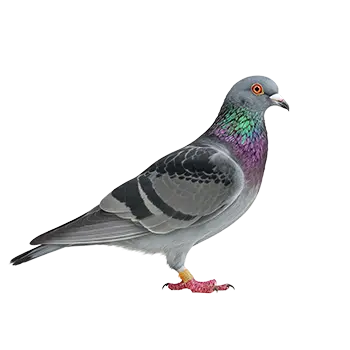

Pair Selection & Genetic Planning

Breeding Racing Homer Pigeons is a deliberate process that begins long before any eggs are laid. The selection of breeding pairs is the single most consequential decision a fancier makes, because the genetic combination established at pairing determines the physical potential, navigational ability, endurance, and temperament of every offspring produced. Successful Racing Homer breeders approach pair selection with the same rigor that a livestock geneticist applies to a breeding program, combining race performance records, pedigree analysis, physical evaluation, and an understanding of hereditary principles.

Race performance is the primary criterion for selecting breeding stock. A bird that has demonstrated speed, consistency, and the ability to navigate home across a range of distances and weather conditions has proven that it carries a favorable combination of genes for racing aptitude. However, race records alone do not tell the whole story. Some birds with modest personal racing records prove to be exceptional breeders, producing offspring that outperform their parents. This phenomenon, sometimes described as breeding ability versus racing ability, means that pedigree depth, the performance of a bird's parents, grandparents, and siblings, provides additional insight into its genetic value.

Physical evaluation of prospective breeding stock complements the performance record. A Racing Homer selected for breeding should have a well-proportioned body with a deep keel, strong wing construction, a balanced feel in the hand, clear and vibrant eyes, and tight, silky plumage. Structural faults such as a crooked keel, weak wing butts, or disproportionate body length relative to wingspan should be noted and weighed against the bird's other qualities. No bird is physically perfect, but breeding from birds with significant structural flaws risks propagating those flaws through subsequent generations.

Inbreeding, linebreeding, and outcrossing are the three fundamental mating strategies available to the Racing Homer breeder, and each serves a different purpose. Linebreeding, the mating of related birds that share a common ancestor two or three generations back, concentrates the genes of proven performers and increases the likelihood of producing offspring that resemble the target ancestor. Outcrossing, the pairing of unrelated birds, introduces new genetic material and can produce hybrid vigor, resulting in offspring that exceed both parents in physical vitality and performance. Inbreeding, the close mating of siblings, parent to offspring, or half-siblings, is used sparingly to fix desired traits but carries elevated risks of exposing deleterious recessive genes. Most successful Racing Homer programs use a combination of these strategies, linebreeding to maintain a strong family base and outcrossing periodically to inject new genetic potential.

Compatibility between prospective mates also influences breeding success. Pigeons are monogamous and pair-bonded, and a pair that bonds strongly tends to be more attentive to nest duties, more consistent in egg production, and more effective at rearing squabs than a pair that tolerates each other without genuine bonding. Introducing a new pair should be done in a controlled space where the birds can see and hear each other before being placed together. Forced pairings, where two incompatible birds are confined in a small space until they mate, sometimes produce eggs but rarely produce the stable, cooperative parenting that yields the healthiest squabs.

Mating & Courtship Behavior

The courtship and mating behaviors of the Racing Homer Pigeon follow patterns that are deeply rooted in the biology of the Columba livia species. Understanding these natural behaviors allows the breeder to recognize successful pairing, detect incompatibility early, and manage the breeding loft in a way that supports healthy reproduction. Courtship in domestic pigeons is initiated almost exclusively by the cock and involves a series of ritualized displays that serve to attract the hen and establish a pair bond.

The cock begins courtship with a display known as bowing, in which he lowers his head, inflates his crop, fans his tail, and circles the hen while emitting deep, rhythmic cooing sounds. This display communicates the cock's fitness and interest and stimulates hormonal responses in the hen. If the hen is receptive, she will allow the cock to approach without fleeing or pecking defensively. Driving behavior follows, in which the cock follows the hen closely, often pecking at her neck and head feathers to direct her toward his chosen nest box. While this behavior appears aggressive, it is a normal part of pigeon courtship and should be distinguished from genuine aggression, which involves sustained, violent attacks that draw blood or cause injury.

Billing, the intimate touching of beaks between the mated pair, is the clearest sign of a successful bond. During billing, the hen inserts her beak into the cock's open mouth, mimicking the motion of a squab being fed. This behavior reinforces the pair bond and often precedes mating. After billing, the hen crouches in a receptive posture, and copulation occurs. Mating may take place multiple times over several days, and the pair will continue to court and bill throughout the breeding cycle.

Nest selection and preparation are joint activities that cement the pair's cooperation. The cock typically selects the nest box and begins assembling nesting material, carrying sticks, straw, and other items to the chosen site. The hen arranges the material into a nest bowl and spends increasing time sitting in the completed nest as her first egg approaches. A well-stocked supply of clean nesting material should be available in the breeding loft so the pairs can build nests to their satisfaction. Inadequate nesting material or poorly designed nest boxes can delay egg laying and reduce parental attentiveness.

The timeline from initial pairing to the first egg varies depending on the birds' age, experience, and environmental conditions, but it typically spans seven to fourteen days. First-time breeders may take longer to establish a bond and begin nesting behavior, while experienced pairs that have bred together in previous seasons often resume breeding activity within days of being reunited. Lengthening daylight hours, either naturally in spring or artificially through supplemental lighting, is the primary environmental trigger that stimulates reproductive hormones and initiates the breeding cycle.

Egg Laying & Incubation

A Racing Homer Pigeon hen typically lays two eggs per clutch, with the first egg appearing in the late afternoon or evening and the second egg following approximately 44 to 48 hours later. The eggs are small, white, and smooth-shelled, weighing roughly 18 to 22 grams each. The interval between the first and second egg is significant because the onset of full incubation determines whether both eggs hatch synchronously. Most pigeons do not begin continuous incubation until the second egg is laid, ensuring both squabs hatch within hours of each other and develop at a similar rate.

Incubation is shared between the cock and the hen in a remarkably predictable daily pattern. The hen typically sits on the eggs from late afternoon through the morning, covering the overnight period, while the cock takes over from mid-morning until mid-afternoon. This division of labor allows each bird to eat, drink, and exercise during its off-duty hours. The total incubation period for Racing Homer Pigeon eggs is approximately 17 to 19 days, with 18 days being the most common duration. Consistent sitting is critical, as even brief interruptions in incubation during the first week can arrest embryonic development and render the eggs inviable.

Egg candling, the process of shining a bright light through the shell to observe embryonic development, is a standard practice among Racing Homer breeders. Candling at five to seven days after the onset of incubation reveals whether the egg is fertile. A fertile egg displays a network of blood vessels radiating from a central dark spot, the developing embryo. An infertile or clear egg appears uniformly translucent without visible vascular development. Removing infertile eggs from the nest allows the pair to recycle sooner and attempt a new clutch, rather than wasting two additional weeks incubating eggs that will never hatch.

Environmental conditions in the breeding loft influence incubation success. Temperature extremes can be detrimental. Excessively hot conditions may cause the sitting bird to leave the nest prematurely, while very cold conditions increase the energy demands on the brooding parent and risk chilling the eggs if the bird leaves even briefly to feed. Moderate ambient temperatures between 60 and 80 degrees Fahrenheit, combined with good ventilation and low humidity, provide the optimal environment for successful incubation. Nest box placement should avoid direct sun exposure and drafty areas.

Occasionally, a pair may abandon the nest before the incubation period is complete. Common causes include disturbance from other birds or vermin, mite infestation in the nest material, illness in one or both parents, or chronic stress from overcrowding. If abandonment occurs early enough, the eggs can sometimes be fostered under another pair that is at a similar stage of incubation, though the foster parents must be sitting reliably for this to succeed. Repeated abandonment by a specific pair may indicate unsuitability for breeding, and such pairs should be evaluated before being paired again.

Nest Management & Clutch Care

Effective nest management is the bridge between successful egg laying and the production of healthy squabs. The breeder's role during the nesting period is to support the parent birds without disrupting their natural behaviors, maintain hygienic nest conditions, and monitor the clutch's progress toward hatching. A hands-off approach guided by regular observation produces better outcomes than frequent, intrusive interference with the nest.

Nest boxes should be sized appropriately for Racing Homer Pigeons, typically measuring at least 24 inches wide by 16 inches deep by 16 inches tall, with a front ledge that prevents eggs and small squabs from rolling out. Each breeding pair must have exclusive access to its nest box. Competition for nest sites generates stress and aggression that disrupts incubation and can lead to egg breakage or squab injury. In lofts where space is limited, installing more nest boxes than there are pairs prevents territorial disputes, as pairs can choose their preferred location without conflict.

Nest hygiene directly affects hatching success and squab health. The nesting material should be clean, dry, and free of parasites at the time of egg laying. Pine needles, clean wheat straw, and commercially produced nest pads are all suitable substrates. Inspect the nest material periodically without disturbing the sitting bird unnecessarily. If the bedding becomes damp or heavily soiled before hatching, carefully remove the eggs, replace the bedding, and return the eggs promptly. After the squabs hatch, the nest will require more frequent attention, as the growing squabs produce increasing volumes of droppings that must be managed to prevent bacterial buildup.

Double clutching and round management are common practices in Racing Homer breeding programs. After the first clutch hatches and the squabs are growing, the pair will naturally cycle back into breeding condition and produce a second clutch of eggs while still feeding the first round of squabs. Managing this overlap requires careful timing to ensure the pair is not overburdened. Some breeders remove the second clutch of eggs and replace them with dummy eggs to delay the next round until the first squabs are weaned, giving the parents a rest period. Others allow the natural cycle to proceed, relying on the parents' instincts to balance their duties between growing squabs and the new clutch.

Record keeping during the nesting period is essential for a well-managed breeding program. Document the pairing date, the date each egg is laid, candling results, the hatch date, and the band numbers applied to each squab. This information creates a permanent pedigree record that ties every bird in the loft to its parents and allows the breeder to evaluate which pairs produce the strongest offspring over multiple seasons. Accurate records also help identify patterns such as consistently infertile eggs, chronic egg abandonment, or poor squab growth that may indicate health problems in specific breeding birds.

Breeding Season Health Protocols

The health demands on Racing Homer Pigeons during the breeding season are substantial, and both the breeding stock and their offspring benefit from a structured health protocol that addresses the unique vulnerabilities of the reproductive period. Breeding places metabolic strain on hens through egg production and on both parents through the demands of incubation and squab rearing. Simultaneously, the close contact inherent in breeding behavior creates opportunities for disease transmission between mates and from parents to squabs.

Pre-breeding health screening is the foundation of the breeding season protocol. Before pairs are assembled, each breeding bird should be examined and treated for common parasitic conditions including trichomoniasis, coccidiosis, and intestinal worms. Starting the breeding season with a clean flock reduces the risk of transmitting these organisms to vulnerable squabs. A crop swab and fecal flotation provide reliable diagnostic information, and targeted treatment based on findings is preferable to blanket prophylactic dosing, which contributes to drug resistance over time.

Calcium supplementation is critical for breeding hens. Egg shell formation draws heavily on the hen's calcium reserves, and a hen that is calcium-deficient may produce thin-shelled eggs that break during incubation, become egg-bound, or develop osteoporosis that weakens her skeletal structure. Provide a dedicated calcium source such as crushed oyster shell, a calcium block, or a liquid calcium supplement in the drinking water throughout the breeding season. Vitamin D3, which facilitates calcium absorption, should accompany any calcium supplementation program.

Egg binding is one of the most serious emergencies that can occur during the breeding season. A hen that strains repeatedly without producing an egg, sits in a hunched posture at the bottom of the nest box, or appears lethargic and reluctant to move may be egg-bound, meaning the egg is trapped in the oviduct and cannot be expelled. This condition requires prompt intervention. Providing warmth, humidity, and a few drops of mineral oil around the vent can assist mild cases, but a hen that does not pass the egg within a few hours of supportive care needs immediate veterinary assistance. Left untreated, egg binding can be fatal.

Paramyxovirus and pigeon pox vaccination schedules should be coordinated with the breeding calendar to ensure breeding stock is fully protected before pairs are assembled and to avoid vaccinating birds during active incubation or squab rearing, when vaccine-related stress could disrupt parental behavior. Ideally, vaccinations are completed four to six weeks before the intended pairing date, giving the immune system time to develop full protection without interfering with reproductive activity.

Fostering & Cross-Fostering Strategies

Fostering, the practice of transferring eggs or squabs from one pair to another, is a widely used management tool in Racing Homer Pigeon breeding programs. It allows breeders to maximize the reproductive output of genetically valuable pairs, redistribute parental workload, and rescue eggs or squabs from pairs that are unable or unwilling to rear them successfully. When executed correctly, fostering is seamless and the foster parents raise the transferred offspring as their own without any detectable difference in care quality.

The most common application of fostering in a racing loft involves using proven stock breeding pairs as foster parents for eggs produced by valuable racing birds. Under this arrangement, a racing hen lays her eggs in her nest box, and those eggs are transferred to a stock pair that is at the same stage of its incubation cycle. The racing hen's eggs are replaced with dummy eggs to satisfy her nesting instinct, and after a brief period, the dummies are removed and the racing hen returns to competition or produces another clutch. This strategy allows the best racing birds to contribute genetically to the breeding program without sacrificing an entire season to parental duties.

Cross-fostering between pairs within the breeding loft is also used to equalize clutch sizes and distribute parental effort. If one pair produces a single squab while another produces two, transferring the single squab to the nest with two creates a trio that one pair raises while the other is freed to begin a new clutch. The success of cross-fostering depends on matching the age of the squabs as closely as possible. Squabs that are more than two or three days apart in age will develop at different rates, and the older, larger squab may outcompete the smaller one for feedings, resulting in stunted growth for the younger bird.

Foster parents must be selected for their proven parental reliability. Not all pairs are equally attentive parents, and placing valuable eggs under a pair with a history of nest abandonment, egg breakage, or poor feeding is counterproductive. The best foster parents are experienced, steady pairs that sit tightly, share incubation duties consistently, and feed their squabs generously. Identifying and maintaining a roster of reliable foster pairs is a strategic asset in any Racing Homer breeding program.

The timing of egg transfers requires precision. Eggs should be transferred as early in the incubation period as possible, ideally within the first five days, to avoid handling mid-term embryos that are more vulnerable to temperature shock and physical disturbance. If transferring squabs rather than eggs, the move should occur within the first 48 hours of life, when the foster parents' hormonal state is most aligned with caring for newly hatched young. Transfers attempted with older squabs are less reliably accepted and may result in the foster parents rejecting or neglecting the introduced offspring.

Evaluating Breeding Outcomes

The ultimate measure of a Racing Homer Pigeon breeding program is the quality of the offspring it produces, and systematic evaluation of breeding outcomes is what separates a purposeful program from one that simply produces pigeons. Evaluation occurs at multiple stages, from the nest through training, racing, and eventually the bird's own reproduction, and each stage provides data that informs future pairing decisions.

Nest evaluation begins with basic metrics: fertility rate, hatch rate, and squab survival rate for each pair. A pair that consistently produces infertile eggs, despite both birds being in good health and of appropriate breeding age, may have a compatibility problem or a reproductive issue that warrants investigation. Pairs with low hatch rates may be sitting poorly, may have a pathogen problem affecting embryonic development, or may be housed in a section of the loft with unfavorable temperature or humidity conditions. Squab survival rate reflects the parents' feeding ability and the overall health environment of the loft. Tracking these metrics pair by pair across multiple rounds and seasons reveals patterns that help the breeder identify their best and worst producers.

Physical evaluation of the young birds begins as soon as they are old enough to handle confidently, usually by three to four weeks of age. Assess the squab's body proportions, keel depth, wing structure, eye quality, and overall vitality. While it is impossible to predict with certainty how a three-week-old squab will perform as a racer, experienced breeders develop an eye for the physical characteristics that correlate with competitive potential. Birds that fall significantly below the desired standard can be noted early, allowing the breeder to make informed decisions about which offspring to retain and which to cull or rehome.

Race performance of the offspring is the definitive test of a breeding pair's value. Document each offspring's race record meticulously, including distances, speeds, weather conditions, and finishing positions relative to the competition. Over the course of several seasons, the pattern that emerges from this data reveals which pairs are producing competitive offspring and which are not. A pair that consistently produces birds that finish in the top percentile of their races is a genetic asset that should be maintained and potentially linebreed from. A pair whose offspring consistently underperform, despite receiving the same training and management as the rest of the team, may need to be recomposed with different mates.

Breeding program refinement is an iterative process that never truly ends. Each season's results inform the next season's pairings, creating a feedback loop that gradually concentrates desirable traits within the flock. The best Racing Homer breeders resist the temptation to change too many variables at once, instead making measured adjustments, one or two new pairings per season, while maintaining the proven combinations that form the backbone of the program. Patience and disciplined record keeping, rather than impulsive pairing changes, produce the steady genetic improvement that defines a successful Racing Homer breeding operation over the long term.

Always consult a qualified professional before making any health-related decisions. This content is provided for informational reference only and should not replace professional guidance specific to your animal.