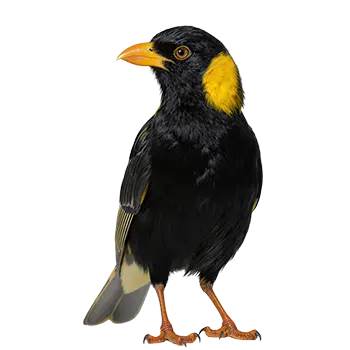

Determining exactly when a mynah bird transitions from adulthood into its senior years is not as straightforward as marking a date on the calendar. Unlike dogs or cats, where breed-specific age charts provide fairly reliable guidelines, avian aging varies considerably based on species, individual genetics, lifetime diet, and the quality of care the bird has received. For mynah birds, the senior stage generally begins somewhere between eight and twelve years of age, though some well-cared-for individuals may not show significant signs of aging until well into their teens.
The transition into senior status is typically gradual rather than sudden. Caregivers who have lived with their mynah for years may notice subtle changes that accumulate over time. The bird may become slightly less active, spending more time resting on a preferred perch rather than engaging in the energetic hopping and flying that characterized its prime years. Vocalizations may decrease in frequency or volume, though many senior mynahs retain their talking ability well into old age. The glossy sheen of the plumage may dull slightly, and molts may take longer to complete.
One of the most important steps a caregiver can take as their mynah enters the senior window is to increase the frequency of veterinary checkups from annually to twice per year. Semi-annual examinations allow for earlier detection of age-related conditions, particularly iron storage disease, liver dysfunction, kidney changes, and cardiovascular issues. Blood work becomes increasingly important during this period, as internal organ function can decline significantly before external symptoms become apparent.
Accepting that your mynah bird is entering its senior years can be emotionally difficult, especially for owners who have shared many years with their bird. However, recognizing this transition is essential for adjusting care protocols to meet the bird's changing needs. Senior mynah birds can continue to live full, engaged, and comfortable lives for many years with appropriate modifications to their diet, environment, and veterinary care schedule.