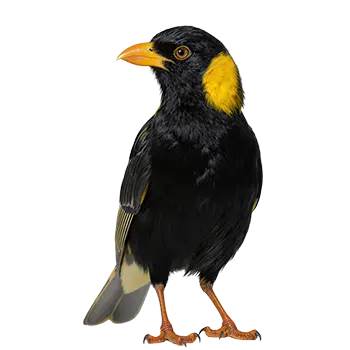

Mynah bird hatchlings emerge from the egg blind, featherless, and entirely dependent on their parents or a dedicated hand-feeder. During the first day of life, the chick's primary needs are warmth and its initial feeding. Hatchlings are altricial, meaning they are born in an undeveloped state and require extensive parental care to survive. The moment a chick hatches, it is critical to ensure the brooding environment remains stable and that the chick is not exposed to drafts or sudden temperature drops.
If the parents are present and attentive, the best course of action is to allow them to care for the hatchling naturally. Parent-raised mynah chicks benefit from the instinctive feeding rhythms and warmth provided by the hen. However, if the parents reject the chick or if the hatchling is being raised for hand-taming purposes, intervention must begin immediately. A small, clean brooder lined with soft paper towels should be prepared in advance of the expected hatch date.
The first feeding should occur within a few hours of hatching, once the chick has absorbed the remaining yolk sac. Offering food too soon can cause complications, as the yolk provides initial nourishment. Observe the chick's crop area carefully. When the yolk sac is absorbed and the chick begins to gape—opening its mouth wide and bobbing its head—it is ready for its first hand-feeding. This gaping reflex is the universal signal among passerine chicks that they are hungry and prepared to accept food.
Keep handling to an absolute minimum during the first day. The chick's skin is paper-thin and extremely fragile, and excessive manipulation can cause bruising or stress. Weigh the chick gently using a small gram scale to establish a baseline weight, then return it to the warmth of the brooder. This initial weight will become your most important tool for tracking healthy development over the coming days and weeks.