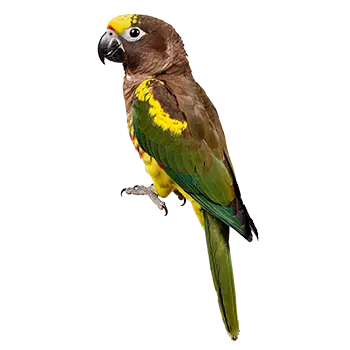

Determining when a Meyer's Parrot enters its senior years is not as straightforward as it might be with mammals that show obvious physical signs of aging. As a species with a lifespan of 25 to 35 years in captivity, Meyer's Parrots are generally considered to enter their senior phase around 20 to 25 years of age, though the exact timing varies significantly based on genetics, diet, environmental quality, and lifetime health history. A bird that has received excellent nutrition and veterinary care throughout its life may show few signs of aging well into its mid-twenties.
The transition into the senior years is typically gradual rather than sudden. Owners may notice that their parrot sleeps slightly more, is less enthusiastic about vigorous play, or takes longer to recover from the physical demands of molting. Activity levels may decrease subtly over the course of a year or two, and the bird may show a preference for familiar routines over novel experiences. These changes are normal age-related adjustments, but they also warrant increased veterinary monitoring to distinguish normal aging from emerging health conditions.
Unlike mammals, parrots do not develop gray hair or other immediately visible markers of age. Feather quality may change subtly, with colors appearing slightly less vibrant or feathers taking longer to regrow after a molt. The beak and nails may grow at a different rate or become more brittle. Internally, organ function gradually declines, and the immune system may become less robust, making the senior bird more susceptible to infections and chronic conditions.
Understanding that your Meyer's Parrot is entering its senior years allows you to make proactive adjustments to its care routine. Increasing the frequency of veterinary visits, modifying the cage setup for easier navigation, and paying closer attention to dietary needs are all steps that can significantly improve the quality of life for an aging parrot.