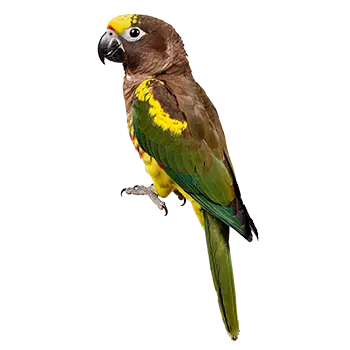

Peak Health Maintenance

An adult Meyer's Parrot typically reaches full maturity between two and three years of age and remains in its prime through approximately 15 to 20 years. During these years, the bird is at its most physically robust, with a fully developed immune system, stable weight, and complete adult plumage. Maintaining this peak condition requires consistent attention to diet, environment, and routine veterinary care.

Annual wellness examinations with an avian veterinarian are the cornerstone of adult health maintenance. These visits should include a thorough physical examination, gram stain of droppings, and periodic blood work to monitor organ function and detect subclinical disease. Many avian illnesses progress silently until they reach an advanced stage, and routine screening is often the only way to catch problems early when they are most treatable.

Daily observation by the owner is equally important. Familiarize yourself with your bird's normal behavior, activity level, appetite, and droppings so that subtle changes are immediately noticeable. A bird that is slightly less active than usual, eating less enthusiastically, or producing droppings that differ in color, consistency, or volume may be showing early signs of illness. Parrots are instinctively adept at masking symptoms, so even minor deviations from normal warrant close attention.

Weight management is a key component of long-term health. Weigh your Meyer's Parrot weekly on a gram scale and maintain a log. Gradual weight gain can creep up unnoticed and lead to obesity-related conditions including fatty liver disease and cardiovascular problems. Conversely, unexplained weight loss can indicate illness, parasites, or dietary insufficiency. A stable weight within the healthy range for the individual bird is the goal.

Nutrition at Maturity

The dietary needs of an adult Meyer's Parrot are well established and relatively straightforward to manage, provided the foundation was set during the juvenile period. A high-quality pelleted diet should continue to form the majority of daily intake, approximately 60 to 70 percent. Pellets ensure consistent nutrition and reduce the risk of selective eating that leads to deficiencies.

Fresh vegetables and leafy greens should be offered daily, making up most of the remaining diet. Rotate offerings to provide nutritional variety and to keep the bird interested in its food. Cooked grains such as brown rice, quinoa, and whole wheat pasta can be offered in small amounts as supplemental foods. Sprouted seeds are an excellent addition, providing the appeal of seeds with a significantly improved nutritional profile compared to dry seeds.

Monitor treat intake carefully. It is easy to over-indulge a charming, food-motivated Meyer's Parrot with nuts, seeds, and fruit, but these calorie-dense foods contribute to weight gain when offered in excess. Reserve high-value treats for training sessions and enrichment activities, and keep the total treat portion to no more than 10 percent of the daily diet.

Fresh water must be changed at least once daily, and more frequently if the bird tends to dunk food or bathe in its water dish. Cuttlebone or mineral blocks should remain available for calcium and mineral supplementation. Avoid feeding any foods from the toxic list, which includes avocado, chocolate, caffeine, onions, garlic, and alcohol. When in doubt about the safety of a particular food, consult your avian veterinarian before offering it.

Exercise & Fitness

Adequate physical activity remains essential throughout the adult years to prevent obesity, support cardiovascular health, and maintain muscle tone. An adult Meyer's Parrot should have a minimum of two to three hours of supervised out-of-cage time each day. This time should include opportunities for flight or at minimum vigorous wing flapping, climbing, and active play.

Foraging remains one of the most effective forms of combined physical and mental exercise. Adult parrots that have been introduced to foraging during the juvenile stage will readily engage with increasingly complex foraging challenges. Puzzle feeders, wrapped treats, food hidden among shredded paper, and foraging boxes all encourage the bird to work for its food, mimicking the natural behaviors that would occupy the majority of its time in the wild.

The cage environment should support activity even when the bird is not out for supervised play. Multiple perches at varying heights and angles encourage climbing and movement. Swings and boings add dynamic movement options. Ensure the cage is large enough that the bird can move freely without its tail feathers contacting the sides or bottom. A cramped cage discourages movement and contributes to both physical and psychological stagnation.

Bathing should be offered regularly, as it promotes feather health and provides an enjoyable form of physical activity for most Meyer's Parrots. Options include a shallow dish of water, a gentle misting with a spray bottle, or access to a running faucet or shower perch. Most parrots develop a bathing preference during their juvenile period, but adults can be gradually introduced to new bathing methods if their current routine is insufficient.

Preventive Health Care

Beyond annual veterinary examinations, adult Meyer's Parrots benefit from a proactive approach to health management that addresses the most common conditions seen in captive Poicephalus species. Fatty liver disease, or hepatic lipidosis, is one of the most prevalent health concerns and is directly linked to high-fat diets and insufficient exercise. Maintaining a pellet-based diet and ensuring daily activity are the most effective preventive measures.

Respiratory health requires ongoing attention to the bird's air quality. Parrots have extremely sensitive respiratory systems, and exposure to household toxins can cause acute illness or chronic damage. Avoid using nonstick cookware, aerosol products, scented candles, air fresheners, and cigarette smoke in or near the bird's living area. Ensure adequate ventilation without exposing the bird to cold drafts.

Feather and skin health should be monitored through regular visual inspection. A healthy adult Meyer's Parrot has smooth, well-aligned feathers with a subtle sheen. Dull, frayed, or damaged feathers outside of normal molt cycles can indicate nutritional deficiencies, hormonal imbalances, or behavioral issues such as over-preening. Feather destructive behavior, if it develops, should be addressed promptly with veterinary guidance, as the underlying causes are often multifactorial and can become entrenched if left unaddressed.

Beak and nail maintenance is an ongoing aspect of care. Provide a variety of textured perches, including concrete and natural wood, to promote natural nail wear. Cuttlebone and wooden chew toys support beak maintenance. If the beak or nails become overgrown despite these provisions, a veterinarian or experienced avian groomer can perform trimming safely.

Behavioral Maturity

Adult Meyer's Parrots are generally known for their steady, easygoing temperament, making them popular companions for individuals and families alike. Once the adolescent testing phase has passed, most Meyer's Parrots settle into predictable behavioral patterns characterized by affection toward their preferred people, contentment with routine, and a calm demeanor compared to many other parrot species.

However, behavioral challenges can emerge or persist in adulthood if the bird's social, environmental, or physical needs are not adequately met. Boredom is a common trigger for undesirable behaviors such as excessive screaming, cage aggression, or feather destructive behavior. An enriched environment with regular foraging opportunities, social interaction, and novel experiences goes a long way toward preventing boredom-related issues.

Hormonal behavior typically emerges during the adult years, particularly during breeding season, which is influenced by changes in day length, diet, and environmental cues. Signs of hormonal behavior include increased territoriality, regurgitation on favorite people or objects, excessive shredding of paper or nesting materials, and heightened aggression. Managing light exposure to ensure the bird receives 10 to 12 hours of uninterrupted darkness each night and avoiding warm, enclosed spaces that mimic nest cavities can help moderate hormonal responses.

Maintaining a consistent daily routine provides a sense of security and predictability that most Meyer's Parrots find calming. Meals, out-of-cage time, training sessions, and bedtime should occur at roughly the same times each day. While the bird should be exposed to reasonable levels of novelty and change to remain adaptable, the overall structure of its day should be stable and reliable.

Feather Care & Grooming

Adult Meyer's Parrots undergo a complete molt once or twice per year, during which old feathers are gradually replaced with new growth. Molting is a physically demanding process that requires additional nutritional support, particularly in the form of protein and amino acids. Some birds become slightly irritable or less active during a heavy molt, which is normal. Ensure access to bathing during this time, as moisture helps soften the keratin sheaths on new pin feathers and provides relief from the itchiness that often accompanies feather growth.

Pin feathers, which appear as waxy, tube-like shafts before the feather unfurls, can be uncomfortable for the bird, especially on the head and neck where the parrot cannot reach to preen them itself. A bonded bird may solicit help from its owner by lowering its head and ruffling its neck feathers. Gently rolling mature pin feathers between your fingers to help release the feather inside is a form of social bonding that most parrots enjoy, but avoid manipulating pin feathers that still have a blood supply, as they are sensitive and can bleed.

Regular bathing supports feather health year-round, not just during molts. Offer bathing opportunities at least two to three times per week. Adequate humidity in the bird's environment also contributes to feather and skin condition. In dry climates or during winter months when indoor heating reduces humidity, a room humidifier placed near the bird's cage can help prevent dry, flaky skin and brittle feathers.

Inspect feathers regularly for signs of damage, abnormal coloring, or evidence of feather destructive behavior. Stress bars, broken shafts, or patches of missing feathers should be noted and discussed with an avian veterinarian. Feather condition is one of the most visible indicators of a parrot's overall physical and emotional well-being, and changes in feather quality often precede other more obvious symptoms of illness or distress.

Always consult a qualified professional before making any health-related decisions. This content is provided for informational reference only and should not replace professional guidance specific to your animal.