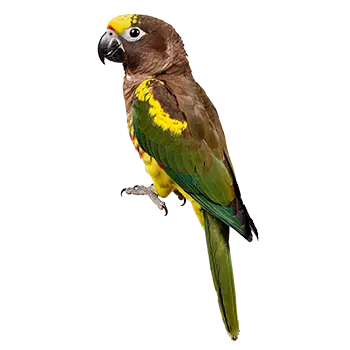

Recognizing when a Meyer's Parrot is approaching the end of its life requires careful observation and an honest assessment of the bird's overall condition and trajectory. In some cases, the decline is gradual, with a progressive worsening of chronic conditions that have been managed for months or years. In other cases, a sudden illness or organ failure can bring about a rapid deterioration that leaves little time for preparation.
Common signs that a Meyer's Parrot may be nearing the end of its life include a sustained and significant loss of appetite, progressive weight loss that does not respond to dietary intervention, extreme lethargy or an inability to maintain a normal posture on the perch, labored breathing, and a withdrawal from social interaction that was once a source of joy for the bird. A parrot that no longer preens itself, shows no interest in its surroundings, or sits fluffed on the cage floor is exhibiting signs of serious decline.
It is important to distinguish between a treatable illness and an irreversible terminal condition. Some of the symptoms described above can also occur with infections, organ disease, or toxicities that may respond to treatment. An avian veterinarian can help determine whether the bird's condition is potentially reversible or whether it reflects an end-stage process that can be managed for comfort but not cured.
Owners who have maintained detailed health logs throughout their bird's life will find these records invaluable during this period. Patterns of declining weight, reduced activity, and worsening clinical signs over weeks or months provide both the owner and the veterinarian with a clear picture of the bird's trajectory. This information supports informed decision-making about the most compassionate course of action.