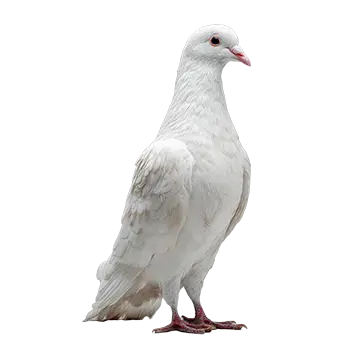

An adult King Pigeon's dietary needs stabilize compared to the high-demand growth phase of the juvenile period, but maintaining proper nutrition remains a cornerstone of long-term health. The breed's substantial body mass and relatively sedentary nature, a consequence of the heavy build that limits flight, make portion control and dietary composition particularly important. Overfeeding is a more common problem in adult King Pigeons than underfeeding, and obesity carries significant health consequences for a bird already carrying more body weight than most pigeon breeds.
A balanced pigeon seed mix serves as the dietary foundation. For adult King Pigeons not engaged in breeding or molt, a maintenance mix with a protein content of approximately 13 to 15 percent is appropriate. This typically includes a combination of field peas, corn, milo, wheat, safflower, and smaller seeds. Feed approximately 30 to 40 grams of seed mix per bird per day, adjusted based on body condition, activity level, and environmental temperature. Birds housed outdoors in cold climates may need additional calories during winter months, while indoor companion birds in climate-controlled environments require less.
Grit remains essential throughout the adult lifespan. Pigeons do not hull seeds before swallowing, so the gizzard must perform all mechanical breakdown of food with the aid of ingested grit particles. A commercial pigeon grit containing both insoluble granite chips and soluble mineral sources should be available in a separate dish at all times. Many grit formulations also include charcoal, which some breeders believe aids digestion, though its benefit beyond mineral supplementation is not definitively established.
Fresh greens provide vitamins, minerals, and dietary variety that seed mixes alone may lack. Offer finely chopped dark leafy greens such as romaine lettuce, dandelion greens, endive, or spinach several times per week. Most King Pigeons learn to enjoy greens if introduced gradually. Avoid avocado, onion, garlic, and fruit pits, all of which are toxic to birds. Clean, fresh water in an appropriately designed pigeon drinker must be available at all times and changed at minimum twice daily to prevent bacterial contamination.