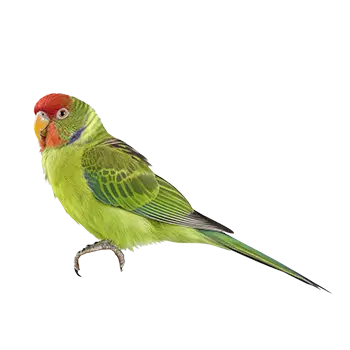

When Does Senior Begin?

Kakariki have a relatively modest lifespan compared to larger parrot species, typically living between 10 and 15 years in captivity with excellent care. The senior phase generally begins around seven to eight years of age, though the onset of age-related changes varies considerably between individuals depending on genetics, lifetime diet quality, veterinary care history, and overall husbandry. Some kakariki remain remarkably vigorous well past eight years, while others may begin showing subtle signs of slowing down somewhat earlier.

The transition into the senior years is rarely dramatic. More often, it is a gradual shift that owners notice in retrospect rather than as a single defining moment. The bird that once spent every waking moment in frantic motion may begin to take longer rest breaks between bouts of activity. Foraging sessions may become shorter, and the bird may spend more time on a favored perch rather than constantly exploring every corner of its environment. These changes are a normal part of aging and do not necessarily indicate illness, though they should be noted and tracked.

Recognizing the onset of the senior phase is important because it signals the need to adjust care practices. Veterinary visits should increase in frequency from annual to semi-annual, dietary modifications may be needed to account for changing metabolic demands, and the cage environment should be evaluated for accessibility as the bird's mobility and coordination gradually decline. Early recognition and proactive adjustment allow owners to support their kakariki's comfort and health throughout its later years.

It is worth noting that a kakariki that has received excellent care throughout its life, including a balanced diet, regular veterinary attention, ample exercise, and a stimulating environment, is likely to age more gracefully and maintain vitality longer than one that has experienced nutritional deficiencies, chronic stress, or untreated health problems. The investment made in quality care during the adult years pays dividends in the senior phase.

Mobility & Physical Changes

As kakariki age, gradual changes in mobility and physical condition become apparent. Arthritis affecting the feet and leg joints is one of the more common age-related conditions in older parrots, and the kakariki's highly active lifestyle may contribute to wear on joints over time. An affected bird may shift weight between its feet more frequently, have difficulty gripping perches securely, or show reluctance to climb and swing on cage furniture it previously navigated with ease.

Cage modifications can significantly improve a senior kakariki's comfort and safety. Replace thin, smooth dowel perches with wider, textured natural wood perches that are easier for arthritic feet to grip. Lower the positions of food and water dishes so the bird does not need to climb to reach them. Add platform perches or flat resting areas where the bird can stand with its feet in a more relaxed, flat position rather than constantly gripping. Ramps or ladders with closely spaced rungs can replace steep vertical climbs.

Flight ability may diminish in senior kakariki, particularly if the bird develops muscle wasting or joint stiffness. Even a bird that has been fully flighted throughout its life may begin to show less confident, shorter flights, or may choose to climb rather than fly to reach destinations. Ensure that a senior bird with declining flight capability has safe landing options throughout the room during out-of-cage time, and consider whether cage placement needs to be adjusted to reduce the need for long flights.

Vision and hearing changes, while harder to detect in birds than in mammals, can also occur with age. A senior kakariki that startles more easily, seems less responsive to familiar sounds, or misjudges distances when landing may be experiencing sensory decline. Maintain consistent cage and room layouts so the bird can navigate its familiar environment confidently, and approach an older bird with verbal cues before reaching into the cage to avoid startling it.

Immune System & Common Health Issues

The immune system of a senior kakariki becomes less robust with age, making older birds more susceptible to infections and less able to recover quickly from illness. Conditions that a young, healthy bird might fight off without visible symptoms can become clinically significant in a senior bird. This increased vulnerability underscores the importance of strict hygiene, a nutrient-rich diet, stress reduction, and more frequent veterinary monitoring during the senior years.

Liver and kidney disease are among the more common age-related conditions seen in older parrots, including kakariki. A lifetime of dietary choices catches up during the senior years, and birds that have consumed high-fat, seed-heavy diets are at elevated risk for fatty liver disease and associated complications. Signs may include changes in droppings color or consistency, decreased appetite, fluffed posture, or a subtle swelling of the abdomen. Blood chemistry panels performed during semi-annual veterinary visits can detect organ dysfunction in its early stages, often before external symptoms become apparent.

Tumors and neoplastic conditions also become more common with advancing age. Both benign and malignant growths can develop in senior kakariki, affecting various organ systems. External tumors may be visible as lumps or swellings on the body, while internal tumors may manifest only as gradual weight loss, changes in droppings, or general decline in condition. Early detection through regular veterinary examination improves the range of treatment options available.

Respiratory conditions can become more problematic in senior birds due to decreased immune competence and potential cumulative damage from environmental irritants over the bird's lifetime. Maintaining excellent air quality in the bird's environment becomes even more critical during the senior years. Ensure good ventilation, avoid any exposure to aerosol products, cooking fumes, cigarette smoke, and scented products, and promptly address any signs of respiratory distress such as labored breathing, tail bobbing, or nasal discharge.

Nutrition for Aging

Nutritional requirements shift during the senior years as metabolism slows and the bird's activity level decreases. A diet that was appropriate for a highly active adult kakariki may provide excessive calories for a less mobile senior, leading to weight gain that compounds existing joint and organ stress. Conversely, some senior birds may struggle to maintain weight due to decreased appetite or impaired nutrient absorption, requiring dietary adjustments in the opposite direction.

The core diet of pellets and fresh produce remains the foundation, but proportions and specific food choices may need modification. For birds prone to weight gain, reduce the seed and high-fat components of the diet while increasing the proportion of low-calorie, nutrient-dense vegetables. For birds losing condition, consider more calorie-dense offerings such as cooked sweet potato, warm softened pellets, or small amounts of healthy fats from sources like a few shelled walnuts or almonds. Warm, soft foods are often more appealing to senior birds and easier on aging digestive systems.

Calcium supplementation becomes increasingly important for senior kakariki, particularly for hens that have a history of egg laying. Age-related bone density loss can lead to fragile bones and increased fracture risk. Maintain continuous access to cuttlebone and mineral blocks, and discuss with your avian veterinarian whether additional calcium supplementation through diet or supplements is warranted for your individual bird.

Hydration is another area that deserves increased attention in senior birds. Older kakariki may drink less actively than they did in their younger years, and kidney function may be less efficient at concentrating urine and conserving water. Ensure that fresh water is always easily accessible without requiring the bird to climb or stretch to reach it. Offering water-rich fresh foods such as cucumber, melon, and leafy greens provides supplemental hydration through the diet.

Increased Veterinary Care

The transition from annual to semi-annual veterinary examinations is one of the most important care adjustments when a kakariki enters its senior years. These more frequent visits allow for closer monitoring of age-related changes and earlier detection of developing health problems. Each examination should include a thorough physical assessment, body weight comparison against historical records, and discussion of any behavioral or physical changes the owner has observed at home.

Diagnostic testing becomes more important and more frequent in senior birds. Complete blood panels including liver and kidney values, blood glucose, and total protein provide a comprehensive picture of internal organ function. Fecal analysis screens for parasites and abnormal bacterial or fungal populations. Radiographs may be recommended periodically to assess organ size, check for tumors, evaluate bone density, and monitor any previously identified conditions. These diagnostic tools give the veterinarian information that physical examination alone cannot provide.

Medication management may become a part of the senior kakariki's routine as age-related conditions are identified and treated. Chronic conditions such as arthritis, heart disease, or organ dysfunction may require ongoing medication, which can be challenging to administer to a small, active bird. Work closely with your avian veterinarian to find the most effective and least stressful administration method, whether that is medication mixed into a favorite soft food, delivered by syringe, or administered through drinking water.

Maintain a detailed health log for your senior kakariki, recording daily weight, food intake, droppings appearance, activity level, and any behavioral changes. This ongoing record is invaluable during veterinary visits, as it provides a longitudinal view of the bird's health trajectory rather than a single-point snapshot. Subtle trends in weight, appetite, or behavior that develop over weeks or months may be clinically significant even when each individual day's observations seem unremarkable.

Quality of Life Assessment

Assessing quality of life in a senior kakariki requires balancing objective observations with an understanding of the individual bird's personality and baseline behaviors. A bird that has always been moderately active and calm will present a different picture of healthy aging than one that was perpetually hyperactive in its youth. The key is recognizing changes relative to that individual bird's normal, rather than comparing to a generic standard.

Several indicators contribute to a quality of life assessment for a senior kakariki. Does the bird still show interest in food and eat with reasonable enthusiasm? Does it engage with its environment, even if at a reduced pace compared to its younger years? Does it seek social interaction with its human family, or has it become withdrawn and unresponsive? Does it preen and maintain its feathers, or has grooming behavior deteriorated? Can it perch comfortably and move around its cage without apparent pain or difficulty? Positive answers to these questions suggest a bird that is aging with reasonable comfort and continued engagement with life.

Adapting expectations is an important part of supporting a senior bird's quality of life. A ten-year-old kakariki should not be expected to match the frenetic pace of a two-year-old, and reduced activity alone is not a cause for concern if the bird remains alert, interested in its surroundings, and comfortable. The goal is not to prevent aging but to ensure that the bird's later years are as comfortable, enriching, and dignified as possible.

Open and ongoing communication with your avian veterinarian about quality of life is essential as your kakariki advances through its senior years. Your veterinarian can help you distinguish between normal age-related changes and signs of treatable illness, and can provide guidance on when medical intervention is beneficial and when it may cause more stress than benefit. This partnership between attentive owner and experienced veterinarian provides the best possible support for the aging kakariki.

Always consult a qualified professional before making any health-related decisions. This content is provided for informational reference only and should not replace professional guidance specific to your animal.