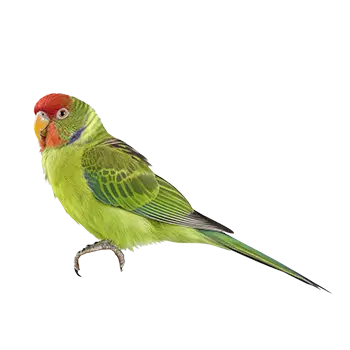

Recognizing when a kakariki is approaching the end of its life is one of the most difficult aspects of bird ownership, made more challenging by the species' natural instinct to mask signs of illness and vulnerability. By the time a bird is visibly unwell, the underlying condition is often far advanced. However, certain patterns of decline, particularly in an older bird with known health issues, can signal that the bird is entering its final stage.
Persistent weight loss despite adequate food availability is one of the most reliable indicators of serious decline. A kakariki that is steadily losing weight over weeks or months, even when eating, may be dealing with organ failure, advanced disease, or an inability to properly absorb nutrients. Regular weighing, which should be a lifelong habit, becomes critically important during this period. A bird that has dropped below a certain threshold of body condition may lack the reserves to recover, even with aggressive veterinary intervention.
Behavioral withdrawal is another significant sign. A kakariki that has always been interactive, vocal, and engaged with its environment may become increasingly quiet, still, and unresponsive to stimuli that previously excited or interested it. The bird may spend most of its time sitting in one spot, often on the cage floor rather than on a perch, with its feathers fluffed and its eyes partially closed. Loss of interest in food, grooming, and social interaction represents a fundamental shift in the bird's engagement with life.
Respiratory changes, including labored breathing, tail bobbing with each breath, and audible clicking or wheezing, may indicate advanced respiratory disease or systemic failure affecting the lungs and air sacs. Changes in droppings, particularly very dark or tarry droppings, bright green bile-stained droppings, or a significant decrease in droppings volume, can signal liver failure, kidney failure, or gastrointestinal shutdown. Any of these signs in a senior bird warrants an honest conversation with your avian veterinarian about the bird's prognosis and the appropriate course of action.