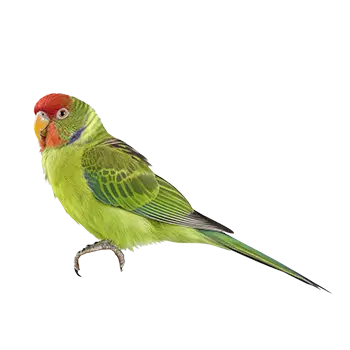

Adult kakariki, generally considered fully mature by around one year of age, enter a period of stable health and peak physical condition that can last for many years with proper care. The foundation of maintaining this good health is consistency in husbandry practices, attentive daily observation, and a proactive approach to veterinary care rather than a reactive one. A healthy adult kakariki should be bright-eyed, actively foraging and exploring, maintaining a stable weight, and producing well-formed droppings.
Annual veterinary examinations are the cornerstone of preventive health management for adult kakariki. Even when a bird appears perfectly healthy, annual checkups allow the avian veterinarian to detect subtle changes in body condition, feather quality, or organ function that may not be apparent to even the most attentive owner. Blood panels, fecal analysis, and crop cultures can identify developing problems before they become clinical emergencies. Birds are naturally inclined to mask signs of illness as a survival strategy, making professional assessment particularly valuable.
Daily health monitoring at home should become a habitual part of the owner's routine. Take a moment each morning to observe the bird's posture, activity level, appetite, and droppings before engaging with it. A bird that is sitting fluffed on the bottom of the cage, has discharge from the eyes or nares, is breathing with visible effort, or has dramatically changed droppings warrants immediate veterinary attention. The interval between noticing a problem and seeking care is often the difference between a manageable illness and a life-threatening crisis in avian medicine.
Environmental hygiene plays an equally important role in health maintenance. Cage papers or substrate should be changed daily, food and water dishes washed with hot water and replaced with fresh contents each morning, and the cage itself given a thorough cleaning on a weekly basis. Perches, toys, and cage bars accumulate droppings and food debris that can harbor bacteria and fungi if not cleaned regularly. A clean environment significantly reduces the risk of bacterial, fungal, and parasitic infections.