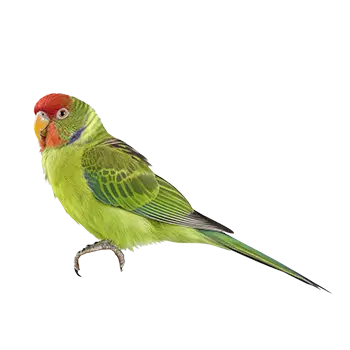

Breeding Readiness

Kakariki reach sexual maturity relatively early compared to many parrot species, with some individuals showing breeding behavior as young as five to six months of age. However, physical maturity does not equate to breeding readiness, and responsible breeders generally wait until birds are at least one year old before allowing them to breed. Breeding a bird that is too young can result in complications including egg binding in underdeveloped hens, poor parental behavior, and compromised health in both the breeding pair and their offspring.

Assessing breeding readiness involves evaluating several factors beyond age. Both the cock and the hen should be in excellent physical condition, at a healthy weight, with bright plumage and clear eyes. A pre-breeding veterinary examination is strongly recommended to screen for underlying health issues, parasites, or nutritional deficiencies that could compromise breeding success or be transmitted to chicks. Blood work and fecal analysis provide additional assurance that both birds are in optimal breeding condition.

The pair's compatibility is another crucial element of breeding readiness. Kakariki are generally social and relatively easy to pair compared to some parrot species, but not every combination of birds will form a productive breeding pair. Introduce potential mates gradually, starting with cages placed side by side so the birds can see and hear each other without physical contact. Signs of compatibility include mutual preening through the cage bars, synchronized vocalizations, and relaxed body language in each other's presence. Aggression, fear, or persistent avoidance are signs that the pairing may not be suitable.

Nutritional preparation should begin several weeks before breeding is initiated. Increase the availability of calcium-rich foods and ensure cuttlebone access, as the hen will need substantial calcium reserves for egg formation. Boost protein intake with cooked egg, sprouted legumes, and high-quality pellets. Fresh vegetables and fruits should be offered abundantly to ensure the breeding pair enters the season in peak nutritional condition.

Courtship & Mating

Kakariki courtship behavior is generally straightforward and less elaborate than in many larger parrot species, but understanding its progression helps breeders recognize when a pair is bonding and approaching mating readiness. The cock typically initiates courtship through increased vocalization directed at the hen, feeding her by regurgitation, and performing a bobbing, swaying display while approaching her on the perch. A receptive hen will accept the regurgitated food, assume a crouched, soliciting posture, and remain still while the cock approaches.

Mating typically occurs on a perch or occasionally on the floor of the cage or aviary. The act itself is brief, lasting only seconds, and may be repeated multiple times per day during the peak breeding period. Copulation usually becomes more frequent after a nest box is introduced, as the presence of a suitable nesting site triggers a hormonal cascade that intensifies breeding behavior in both birds.

The nest box should be provided once the pair is clearly bonded and showing breeding behavior. Kakariki prefer a nest box that is approximately 10 by 10 inches in floor area and 12 to 14 inches tall, with an entrance hole of about 3 inches in diameter positioned near the top. Line the bottom with a generous layer of untreated wood shavings or pine shavings to cushion the eggs and provide insulation. Some hens will rearrange the bedding extensively to suit their preference, which is normal nesting behavior.

The introduction of the nest box often triggers a rapid escalation in breeding activity. The hen will begin exploring the box immediately, spending increasing amounts of time inside as she prepares to lay. The cock may stand guard near the entrance, feeding the hen as she spends more time in the box. From the introduction of the nest box, egg laying may begin within one to three weeks, depending on the pair's hormonal readiness and environmental conditions.

Egg Laying & Incubation

Kakariki hens typically lay clutches of four to nine eggs, with one egg deposited every other day until the clutch is complete. The eggs are white and relatively small, consistent with the species' body size. Some hens begin incubating immediately after the first egg is laid, which results in staggered hatching, while others wait until the clutch is nearly complete before settling into consistent incubation. Staggered hatching produces chicks of varying sizes and developmental stages, which can be challenging if the size difference becomes extreme.

Incubation is performed primarily by the hen, who will spend the vast majority of her time in the nest box once she begins sitting. She will emerge periodically to eat, drink, and defecate, often producing noticeably larger droppings during these brief breaks than she would normally. The cock's role during incubation is to feed the hen, both at the nest box entrance and during her brief foraging breaks. A supportive, attentive cock contributes significantly to successful incubation by ensuring the hen maintains her nutritional status without being forced to leave the eggs for extended periods.

The incubation period for kakariki eggs is approximately 19 to 20 days from the onset of consistent sitting. Candling the eggs at around seven to ten days can determine fertility. Fertile eggs will show visible veining and a dark embryonic mass when held against a bright light source, while infertile eggs will appear uniformly clear or show only a faint yolk shadow. Remove confirmed infertile eggs to allow the hen to focus her energy on the viable eggs.

Environmental stability during incubation is important. Avoid moving the cage, making loud noises near the nest area, or making any changes that might cause the hen to abandon the nest. Nest box inspections should be brief and conducted when the hen voluntarily leaves the box to eat, not by forcing her off the eggs. Some hens are remarkably tolerant of inspections, while others are sensitive and may abandon eggs if disturbed excessively. Learn your hen's temperament and adjust your monitoring approach accordingly.

Chick Development & Rearing

Kakariki chicks hatch in the order the eggs were laid, assuming the hen began incubation early in the laying sequence. The first chick to hatch will have a size advantage over later siblings, and this difference can become significant if the clutch is large and the hatching spread across several days. Monitoring the youngest chicks in the clutch for adequate feeding and growth is important, as they can be outcompeted by larger, older siblings during feeding.

Parent-raised kakariki chicks grow rapidly, typically beginning to show pin feathers by the end of the first week and becoming well-feathered by four weeks. Both parents participate in feeding, though the hen carries the primary burden during the first week while she continues to brood the chicks. As the chicks grow and become better able to thermoregulate, the hen spends progressively more time outside the nest box, and the cock takes on an increasing share of the feeding duties.

The decision between parent-rearing and hand-rearing depends on the breeder's goals and the pair's parental competence. Parent-raised kakariki develop strong social skills with other birds but may be less comfortable with human handling unless supplemental socialization is provided. Hand-raised chicks bond closely with humans and make excellent companions but miss out on important avian social learning. A compromise approach involves leaving chicks with the parents for the first two to three weeks, then pulling them for hand-rearing, which provides some parental socialization while still producing human-bonded birds.

Fledging occurs at approximately five to six weeks, and weaning follows over the subsequent two to four weeks. Parent-raised chicks will begin exploring solid food in the nest box before fledging, picking at seed husks and soft foods brought in by the parents. After fledging, the parents continue to feed the juveniles while they learn to eat independently. Observe the weaning process carefully to ensure each chick is eating sufficient solid food before separating it from the parents.

Postpartum Care

After the chicks have fledged and weaned, the breeding hen requires a recovery period to replenish the physical resources depleted during egg production, incubation, and chick rearing. Breeding is among the most physically demanding activities a bird undertakes, and a hen that is bred continuously without adequate recovery periods will suffer declining health, reduced fertility, and shortened lifespan. Allow a minimum of four to six months between clutches, and many experienced breeders limit pairs to no more than two clutches per year.

Immediately following weaning of the chicks, remove the nest box from the cage. The presence of a nest box is a powerful hormonal trigger, and leaving it in place will stimulate the hen to begin laying again before she has had time to recover. Some hens may show frustration or searching behavior when the nest box is removed, but this typically resolves within a few days as hormonal levels subside.

Post-breeding nutrition should focus on replenishing calcium stores, restoring body condition, and supporting the molt that often follows a breeding cycle. Continue offering a calcium-rich diet including cuttlebone, mineral supplements, and dark leafy greens. Increase protein sources to support feather regrowth during the post-breeding molt. Monitor the hen's weight to ensure she is regaining any condition lost during the demanding breeding period.

Both the cock and the hen should be evaluated for any health issues that may have developed or been exacerbated during the breeding cycle. Post-breeding veterinary checks are particularly important for hens, as egg production and the physical stress of incubation and chick rearing can unmask or worsen underlying conditions. A clean bill of health after breeding provides a solid foundation for the recovery period and confirms the bird's readiness to return to its normal maintenance routine.

Responsible Breeding Ethics

Breeding kakariki carries responsibilities that extend beyond the technical aspects of pairing birds and raising chicks. Every breeder should have a clear plan for the placement of offspring before allowing a pair to breed. Kakariki are relatively prolific breeders capable of producing large clutches multiple times per year, and the market for young kakariki can become saturated quickly in some areas. Breeding without a plan for responsible placement of the chicks contributes to the broader problem of unwanted and rehomed pet birds.

Genetic responsibility is an important consideration in any breeding program. Avoid breeding closely related birds, as inbreeding increases the risk of genetic defects, weakened immune systems, and reduced overall vitality in offspring. Maintain accurate records of the lineage of all breeding birds, and seek unrelated stock when introducing new genetics into a breeding program. Color mutation breeding, which is popular in kakariki, requires particular attention to genetic health, as the pursuit of rare color variants can lead to prioritizing appearance over the physical wellbeing of the birds.

The welfare of the breeding birds themselves must always be the primary consideration. No bird should be bred if it is in poor health, underweight, overweight, or showing signs of stress or behavioral disturbance. Hens that have had complications with previous clutches, such as egg binding, chronic infertile clutches, or poor parental behavior, should be carefully evaluated before being bred again, and in some cases, retirement from breeding is the most responsible decision.

Education of new owners is the final link in the chain of responsible breeding. Chicks should be sold or placed only with owners who have been informed about the species' care requirements, including their high activity needs, dietary requirements, housing standards, and expected lifespan. Providing a care guide, offering ongoing support, and being willing to accept birds back if the new owner's circumstances change are hallmarks of an ethical breeder who prioritizes the long-term welfare of every bird they produce.

Always consult a qualified professional before making any health-related decisions. This content is provided for informational reference only and should not replace professional guidance specific to your animal.