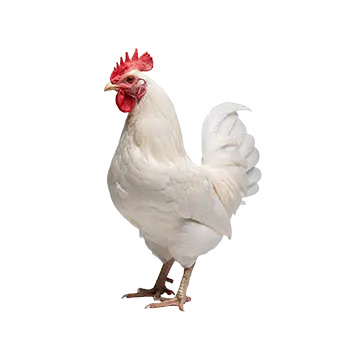

Japanese Bantams are a relatively long-lived breed for domestic poultry, with well-cared-for individuals commonly reaching eight to ten years of age and exceptional birds living to thirteen or beyond. The transition from prime adulthood into the senior stage is gradual rather than abrupt, and recognizing the early signs of aging allows keepers to adjust their management before small changes become serious problems. Most Japanese Bantams begin showing identifiable signs of aging between five and seven years, though individual variation is significant and influenced by genetics, lifetime nutrition, and overall husbandry quality.
One of the earliest indicators of the senior transition is a decline in egg production. Hens that once laid consistently through the spring and summer months begin producing fewer eggs, with longer pauses between clutches and thinner shells on the eggs they do lay. Eventually, most hens cease laying altogether, though the occasional egg from a very old hen is not unusual. This decline is a natural consequence of the finite supply of ova a hen is born with and should not be treated as a health problem requiring correction.
Physical changes become apparent over time. The plumage of a senior Japanese Bantam may lose some of its former luster, appearing duller and less tightly structured than the glossy, dense coat of a bird in its prime. Molts may take longer to complete and produce feathers of slightly lower quality. The comb and wattles may become less vibrant in color, shifting from bright red to a deeper, less saturated hue. In roosters, the tail carriage may drop slightly from the exaggerated vertical angle of youth, though a well-bred bird will retain a recognizably upright tail well into old age.
Behavioral shifts are often the most noticeable sign that a bird has entered its senior years. An older Japanese Bantam tends to be less active, spending more time resting and less time foraging, dustbathing, and interacting with flockmates. The bird may choose to roost at a lower position or even on the coop floor rather than on elevated perches. Social dynamics can shift as well, with senior birds gradually ceding their rank in the pecking order to younger, more vigorous individuals. These changes are normal and expected, but they also mean that the keeper must take a more active role in ensuring the aging bird's needs are met.