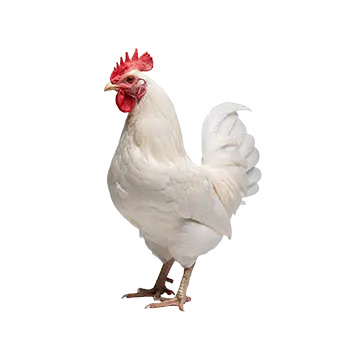

Transitioning to Independence

The juvenile stage for a Japanese Bantam begins once the chick is fully feathered, typically around six to eight weeks of age, and extends until the bird reaches sexual maturity at roughly five to seven months. This is a period of profound transformation as the young Chabo moves from the sheltered warmth of the brooder or the hen's protective wing into an increasingly independent existence. The transition must be managed thoughtfully because these small birds remain physically vulnerable long after they appear visually mature.

If the juveniles were raised by a broody hen, the mother will begin to distance herself from the chicks naturally as they feather out. She may peck at chicks that continue to seek brooding, signaling that it is time for them to thermoregulate on their own. This weaning process usually occurs between six and ten weeks of age and is generally smoother than any human-managed transition. The keeper's role is to ensure that the growing birds have appropriate shelter, perching space, and access to food and water independent of the hen.

For brooder-raised juveniles, the transition to outdoor or coop housing should be gradual. Begin by exposing the young birds to ambient outdoor temperatures for increasing periods during the warmest part of the day, starting with an hour and extending daily over one to two weeks. Japanese Bantams are not particularly cold-hardy due to their compact size and relatively large single combs, so the transition should occur during mild weather when overnight lows remain above 55 to 60 degrees Fahrenheit. Moving birds directly from a heated brooder to an unheated coop is a recipe for respiratory illness.

Introducing juveniles to an existing flock requires caution and planning. Adult Japanese Bantams are generally docile, but established pecking order dynamics can result in bullying of newcomers, particularly if the adults are significantly larger or more numerous. House the juveniles in a visible but physically separated enclosure within the coop or run for at least one to two weeks before allowing direct contact. This allows the birds to become familiar with one another through the barrier, reducing the intensity of initial confrontations when the partition is removed. Supervise the first several unsupervised integration sessions closely and be prepared to separate any bird that is being excessively harassed.

Diet & Nutritional Needs

Nutritional requirements shift as the Japanese Bantam moves from the chick phase into the juvenile growth period. The high-protein chick starter that sustained the bird through its first weeks should be gradually replaced with a grower feed around eight weeks of age. Grower formulas typically contain 15 to 17 percent protein and a recalibrated calcium-to-phosphorus ratio that supports continued skeletal and muscular development without the excess calcium that can burden immature kidneys. The transition should be made over the course of a week by blending increasing proportions of grower feed into the starter.

Juvenile Japanese Bantams are active foragers when given the opportunity, and access to a safe outdoor area where they can scratch for insects, seeds, and greens provides valuable nutritional supplementation as well as behavioral enrichment. Because of their extremely short legs, these birds forage close to the ground and prefer areas with short grass or bare earth rather than tall, dense vegetation that can impede their movement. Supplement foraging with small amounts of finely chopped leafy greens, grated carrot, or cooked grains offered in a shallow dish.

Grit is essential from the moment the birds begin consuming anything other than commercial crumbles. Insoluble grit, typically granite particles, is stored in the gizzard and mechanically grinds food that the bird cannot digest through chemical processes alone. Provide a small dish of chick-sized grit at all times. Do not confuse grit with oyster shell, which is a calcium supplement appropriate only for laying hens. Offering oyster shell to juvenile birds can cause metabolic imbalances and should be avoided until the pullets approach point of lay.

Fresh, clean water remains a constant requirement. As the birds grow, upgrade from chick-sized waterers to standard poultry waterers that cannot be tipped. Japanese Bantams are low to the ground and can become soaked and chilled if a waterer overturns, creating damp bedding conditions. Position waterers on a raised platform or block to keep them at a comfortable drinking height while preventing bedding from being kicked into the water. In warm weather, check water levels multiple times per day, as small birds dehydrate quickly.

Monitor body condition regularly by gently feeling the keel bone, the prominent breastbone running along the chest. In a well-nourished juvenile, the keel should be palpable but padded with a thin layer of muscle on either side. A sharp, protruding keel indicates underweight, while an imperceptible keel buried under flesh suggests overweight. Maintaining proper body condition during the juvenile period supports the breed's distinctive carriage and proportions as the bird approaches maturity.

Feather Development & Grooming

Feather development during the juvenile stage is one of the most visually dramatic aspects of raising Japanese Bantams. The sparse down of the chick gives way to a juvenile plumage that, while not yet exhibiting the full richness of adult feathering, begins to reveal the color variety, pattern, and structural qualities that define the breed. Japanese Bantams come in a wide array of recognized color varieties including Black-Tailed White, Black, White, Mottled, Grey, and many others, and the juvenile molt is the stage at which the bird's eventual adult color pattern starts to emerge with clarity.

The juvenile molt, sometimes called the first true molt, typically begins around eight to twelve weeks of age and continues gradually for several weeks. During this process, the initial set of juvenile feathers is progressively replaced by a more mature plumage. The tail feathers are of particular interest in this breed because the adult Japanese Bantam carries its tail in a high, upright fan that extends well above the head. Juvenile tail feathers begin to grow in with noticeably more length and structure than the chick feathers they replace, and cockerels in particular will start to develop the arched sickle feathers and abundant furnishings that characterize the adult male tail.

Grooming during the juvenile stage is minimal but not absent. Ensure the birds have access to a dry dust-bathing area, as dust bathing is a natural grooming behavior that helps control external parasites and conditions the feathers. A shallow container filled with a mixture of fine sand, food-grade diatomaceous earth, and dry wood ash provides an excellent dust bath. Japanese Bantams with their low carriage appreciate a bath container with a shallow lip that they can step into easily.

Inspect the plumage weekly for signs of external parasites such as poultry lice or Northern fowl mites, which tend to concentrate around the vent, under the wings, and at the base of the tail. Part the feathers carefully and examine the skin and feather shafts. Lice appear as small, straw-colored insects moving along the feather shafts, while mite infestations often present as clusters of tiny dark or red specks near the skin surface. Early detection and treatment with an approved avian insecticide or ivermectin product, under veterinary guidance, prevents the heavy infestations that can cause anemia, feather damage, and reduced growth in juvenile birds.

Socialization & Temperament

The juvenile period is the formative window in which the Japanese Bantam's adult temperament solidifies. This breed has been selected for centuries as a companion and ornamental bird, and it possesses an inherently calm and personable disposition that distinguishes it from many other chicken breeds. However, a favorable genetic predisposition does not guarantee a friendly adult bird. Consistent, positive human interaction during the juvenile months determines whether the bird fulfills its potential as a tame, trusting companion or becomes skittish and difficult to handle.

Continue daily handling sessions that began during the chick phase, gradually increasing their duration and complexity. Juveniles can be held for longer periods, placed on a table or lap for calm interaction, and introduced to grooming routines such as gentle wing extension and foot inspection. These activities simulate the handling a show bird will experience on the judging table and accustom the bird to being positioned and examined without panic. Even birds not destined for exhibition benefit from this conditioning, as it makes routine health checks and maintenance far easier throughout the bird's life.

Social dynamics within the flock become increasingly complex during the juvenile stage. Young cockerels begin to test dominance hierarchies through posturing, sparring, and early crowing, while pullets establish their own pecking order through subtler interactions. Japanese Bantam cockerels are generally less aggressive than cockerels of many other breeds, but disputes can still result in minor injuries, particularly to combs and wattles. If fighting becomes persistent or results in blood-drawing wounds, the aggressor may need to be separated temporarily. Keeping the cockerel-to-pullet ratio at roughly one cockerel per four to six pullets reduces competitive tension.

Exposure to novel experiences during this period builds the resilience and confidence that Japanese Bantams need to perform well at shows and adapt to varied environments. Carry the birds to different areas of the property, allow them supervised exposure to household activity, and introduce them to new objects such as colored containers, mirrors, or unfamiliar perches. Each positive encounter with novelty teaches the bird that change is not threatening. The breed's natural curiosity, when supported by a secure upbringing, produces adults that are remarkably composed in unfamiliar settings.

Housing & Environment

Housing requirements for juvenile Japanese Bantams must account for the breed's unique physical characteristics and sensitivities. Their extremely short legs mean that high perches, steep ramps, and deep litter can all pose mobility challenges that would not affect a longer-legged breed. The coop and run should be designed or adapted to accommodate these birds from the ground up, literally and figuratively.

Perches for Japanese Bantams should be set low, no more than twelve to eighteen inches above the floor, with a width of approximately one to one and a half inches to allow comfortable gripping. Avoid round dowel-style perches, which can cause foot problems over time. Flat or slightly rounded perch surfaces distribute the bird's weight more evenly across the foot and reduce the risk of bumblefoot, a painful bacterial infection of the footpad to which short-legged, heavy-breasted breeds are more susceptible. Provide at least six to eight inches of perch space per bird to allow comfortable spacing.

Floor space should be generous relative to the bird's size. Although Japanese Bantams are physically small, they are active birds that benefit from room to move, forage, and dust bathe. Allow a minimum of two to three square feet of indoor coop space per bird, with additional space in the run or yard. The coop floor should be covered with clean, dry bedding such as pine shavings or chopped straw, maintained at a depth of two to three inches. Avoid deep litter systems for this breed, as juvenile birds with short legs can struggle to walk through bedding deeper than a few inches.

The outdoor run or yard must be securely enclosed to protect against predators. Japanese Bantams are poor fliers despite their small size, and their low stature makes them vulnerable to a wide range of ground-based predators including cats, dogs, rats, and snakes, as well as aerial predators such as hawks. Hardware cloth with openings no larger than half an inch provides the most reliable protection. The run floor should drain well and remain dry, as Japanese Bantams are particularly intolerant of wet, muddy conditions. Their short legs and low-carried bodies bring them into constant contact with the ground surface, and persistent moisture leads to soiled plumage, skin irritation, and increased risk of fungal infections.

Ventilation in the coop must balance air quality with draft prevention. Position ventilation openings above roost height so that fresh air enters the coop without blowing directly on the birds. Ammonia from droppings is the most common air quality concern in poultry housing and is especially damaging to the respiratory systems of small breeds. If you can smell ammonia when you open the coop, ventilation is inadequate and bedding management needs improvement.

Health Monitoring

Health monitoring during the juvenile stage shifts from the intensive daily weighing of the chick period to a broader pattern of regular observation, periodic hands-on examinations, and scheduled veterinary visits. Juvenile Japanese Bantams are generally hardy if well fed and properly housed, but their small size means that illness, parasitic burdens, or nutritional deficiencies can escalate faster than in larger breeds. A problem that a standard-sized chicken might tolerate for several days can become life-threatening in a bantam within 24 to 48 hours.

Perform a brief visual health check every day as part of your normal husbandry routine. Observe each bird's posture, gait, and activity level as you enter the coop or run. A healthy juvenile Japanese Bantam holds its head up, moves freely on its short legs, interacts with flockmates, and responds alertly to your presence. A bird that remains hunched on the perch, stands apart from the group, closes its eyes during active periods, or shows a fluffed or ruffled appearance warrants a closer hands-on examination.

Weekly hands-on checks should include feeling the crop first thing in the morning before the bird has eaten. The crop should be empty or nearly so after an overnight fast. A crop that remains full and doughy, or that feels hard and impacted, indicates a motility problem that needs to be addressed before it becomes a medical emergency. Check the vent area for signs of pasting, diarrhea, or prolapse. Inspect the feet for any swelling, sores, or dark scabs on the footpad that could indicate bumblefoot. Examine the comb and wattles for their color and texture, noting that a healthy bird's comb should be bright red or pink and smooth, while a pale, shriveled, or discolored comb can signal illness, dehydration, or parasitic burden.

Coccidiosis is one of the most significant health threats to juvenile poultry and Japanese Bantams are no exception. This protozoan infection of the intestinal lining causes bloody or mucoid droppings, weight loss, lethargy, and death if untreated. Juveniles being raised on the ground, particularly in warm and humid conditions, are at highest risk. Discuss a coccidiosis prevention strategy with your veterinarian, which may include medicated feed, a vaccination program, or a protocol for treating outbreaks with appropriate anticoccidial medications.

Schedule a veterinary wellness examination at approximately four to five months of age, as the bird approaches sexual maturity. This visit allows the veterinarian to assess overall development, check for any emerging health concerns, and discuss vaccination updates or parasite management strategies tailored to your geographic area and flock management practices.

Preparing for Adulthood

As the juvenile Japanese Bantam approaches five to seven months of age, the physical and behavioral markers of adulthood begin to appear in earnest. Pullets may show increasing interest in nest boxes and begin the characteristic squatting posture that precedes the onset of egg laying. Cockerels develop fuller combs and wattles, more pronounced spurs, and a deeper, more structured crow. The adult plumage fills in during a gradual molt that replaces the last of the juvenile feathering with the rich, dense coat that the breed is celebrated for.

For birds destined for exhibition, the late juvenile and early adult transition is the time to begin formal show conditioning. This involves regular practice sessions in which the bird is placed on a flat surface or show cage and gently encouraged to stand in a natural, alert posture that displays its breed characteristics to best advantage. The ideal Japanese Bantam show posture features an upright tail carried above the level of the head, wings held low and slightly forward, and a proud, erect carriage on the breed's distinctively short legs. Familiarize the bird with the experience of being observed from various angles and touched by different people, replicating the handling it will receive from judges.

Nutritional adjustments may be warranted as the bird transitions from the growth phase to maintenance and, for pullets, to the demands of egg production. Gradually shift from grower feed to a balanced adult maintenance or layer ration around the time that pullets begin laying, typically at five to six months of age. Layer feeds contain elevated calcium levels necessary for eggshell formation. Cockerels and non-laying hens should remain on a maintenance ration with supplemental calcium offered separately in a dish, allowing each bird to self-regulate its intake.

Housing arrangements may also need adjustment as the birds reach maturity. If you have been keeping multiple cockerels together, be aware that aggression can intensify as testosterone levels rise with sexual maturity. Separate cockerels that begin fighting seriously or that cause injuries to others in the group. Plan breeding pens and bachelor quarters well in advance of the breeding season to avoid scrambling for space when tensions peak. Similarly, ensure that laying pullets have access to appropriate nest boxes placed at a low height consistent with the breed's short-legged build.

Reflect on your goals for each bird as it matures. Some juveniles will have developed into strong representatives of the breed standard, destined for the show circuit or the breeding pen. Others may not meet the standard closely but possess excellent temperament and health, making them ideal companions or backyard ornamentals. Still others may have faults that disqualify them from breeding programs, and responsible stewardship means finding these birds appropriate pet homes rather than allowing them to contribute to the gene pool. Making these decisions thoughtfully during the juvenile stage ensures that your flock grows in quality and purpose.

Always consult a qualified professional before making any health-related decisions. This content is provided for informational reference only and should not replace professional guidance specific to your animal.