
Physical Maturity & Breed Standard

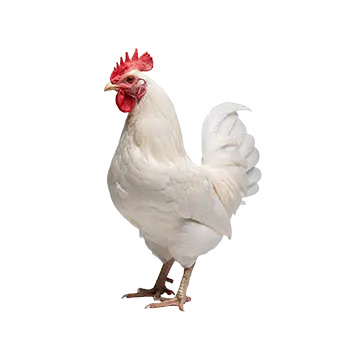
The adult Japanese Bantam is one of the most visually striking ornamental chickens in the world, carrying a set of breed characteristics that have been refined over centuries of selective breeding in Japan and, later, throughout Europe and North America. A fully mature bird reaches its adult weight between seven and ten months of age, with roosters typically weighing between 510 and 600 grams and hens between 400 and 510 grams. This diminutive size, combined with the breed's exaggerated physical proportions, creates a bird that appears simultaneously delicate and bold.

The defining feature of the breed is its extraordinarily short legs. The shanks of a well-bred Japanese Bantam are so short that the bird's body nearly touches the ground, and in profile the bird appears to glide rather than walk. This trait is governed by the incomplete dominant creeper gene, which in a single copy produces the desired short-legged phenotype. The legs should be clean, free of feathering, and of a color appropriate to the variety, typically slate blue, yellow, or willow depending on plumage color.

The tail is the breed's second most dramatic feature. In the rooster, the tail is carried high and forward in a sweeping arch, with the main sickle feathers and lesser sickles extending above and often beyond the level of the head. The hen's tail is also carried upright but in a more compact fan shape. This extreme tail angle, combined with the short legs and broad, forward-thrust breast, creates the distinctive silhouette that judges evaluate on the show table. Wings are large relative to body size and are held low, with the tips angling slightly downward and forward.

The head furnishings include a medium-sized single comb with five evenly serrated points in the rooster and a smaller comb in the hen, bright red wattles and earlobes, and large, expressive eyes. Japanese Bantams are recognized in a wide range of color varieties, each with specific plumage pattern requirements defined by the breed standard of the relevant poultry association. Black-Tailed White is the most iconic and widely exhibited variety, but Black, White, Mottled, Grey, Buff Columbian, and numerous others are shown and bred with equal dedication.

Diet & Nutrition

Feeding an adult Japanese Bantam is straightforward in principle but requires attention to the specific needs that arise from the breed's small body size, ornamental plumage, and, for hens, a modest but steady laying cycle. The nutritional foundation is a high-quality commercial poultry feed formulated for adult birds. Laying hens should receive a layer ration containing 16 to 18 percent protein and approximately 3.5 to 4 percent calcium to support eggshell formation. Roosters and non-laying hens do well on a maintenance or all-flock formula with lower calcium levels, supplemented with free-choice oyster shell so that each bird can regulate its own calcium intake.

Portion control matters more with Japanese Bantams than with many other breeds because their small bodies store excess energy efficiently, and overweight birds lose the elegant proportions and mobility that define the breed. An adult Japanese Bantam consumes roughly one to two ounces of feed per day depending on activity level, environmental temperature, and reproductive status. Offer feed in measured amounts rather than filling hoppers to the brim, and monitor body condition monthly by palpating the keel bone and observing the bird's overall silhouette. A bird in ideal condition has a smoothly contoured breast with the keel just perceptible beneath a thin layer of muscle.

Supplemental foods add variety and nutritional breadth. Small amounts of fresh greens, grated vegetables, mealworms, and sprouted seeds can be offered daily as enrichment. Japanese Bantams are enthusiastic foragers and will spend hours picking through a scattering of scratch grains mixed into the bedding or over a patch of bare ground. However, scratch grains and treats should never exceed 10 percent of the total diet, as they are typically high in energy and low in essential vitamins and minerals. Overreliance on treats dilutes the nutritional quality of the overall diet and can lead to obesity and deficiency-related health problems.

Clean, fresh water must be available at all times. An adult Japanese Bantam drinks relatively little water by volume, but even mild dehydration can impair egg production, digestion, and thermoregulation. In warm weather, provide multiple water stations in shaded locations and check them several times daily. In winter, use a heated waterer or check water frequently to prevent freezing. Add apple cider vinegar to the water at a ratio of one tablespoon per gallon once or twice per week if desired, as some keepers find it supports digestive health, though scientific evidence for this practice remains limited.

Housing & Environment

The housing needs of an adult Japanese Bantam reflect the breed's physical traits, its sensitivity to harsh weather, and its origins as a bird kept in controlled, often indoor environments by Japanese aristocracy. While modern Japanese Bantams are perfectly capable of living outdoors, the coop and run must be designed with their specific vulnerabilities in mind to keep them comfortable, healthy, and looking their best.

The coop should provide a minimum of two to three square feet of floor space per bird, with more space preferred in flocks that are confined rather than free-ranged. Because Japanese Bantams are low-slung birds, the interior layout should be optimized for ground-level living. Roosts should be positioned no higher than ten to twelve inches above the floor, with a ramp or stepped platform leading to them if they are higher than eight inches. Jumping down from elevated perches puts disproportionate stress on the short legs and can cause hock injuries, bumblefoot, or chronic joint problems over time.

Nest boxes for laying hens should also be placed at or near floor level. A nest box opening of approximately ten by ten inches and a depth of twelve inches is appropriate for the breed. Line the boxes with clean straw or wood shavings, and replace the bedding whenever it becomes soiled. Japanese Bantam hens are frequent brooders and may attempt to sit on eggs even when breeding is not intended. If you do not wish to hatch chicks, collect eggs promptly and discourage brooding by blocking access to the nest boxes during the evenings and providing environmental changes that break the broody cycle.

Weather protection is critical. Japanese Bantams are not well suited to cold, wet, or windy climates without adequate shelter. Their large single combs are susceptible to frostbite in temperatures below freezing, and their short legs bring their bodies into close contact with damp ground, making them prone to chilling and plumage soiling in muddy conditions. In cold climates, insulate the coop without sacrificing ventilation, and apply a thin layer of petroleum jelly to combs and wattles during hard freezes. In hot climates, ensure ample shade and air circulation, as small birds can overheat rapidly.

The outdoor run should be dry, well-drained, and covered with a substrate that the birds can forage through without becoming mired. Coarse sand over a gravel base provides excellent drainage and is easy to rake clean. Grass runs are attractive but can become muddy quickly in wet weather, especially in high-traffic areas near the coop entrance. Cover at least a portion of the run with a solid or translucent roof panel to provide a dry area during rain and shade during intense sun.

Behavior & Temperament

Adult Japanese Bantams are widely admired for their gentle, approachable temperament, which makes them exceptional companion birds and a popular choice for keepers who want poultry that can be interacted with as more than just livestock. Roosters of this breed tend to be less aggressive than roosters of many other chicken breeds, though individual variation always exists. The breed's long history of close association with humans in Japanese households has selected for tameness, curiosity, and a willingness to tolerate handling that many other breeds lack.

Hens are characteristically calm and are often described by their keepers as affectionate. They will readily approach familiar people, accept being picked up and held, and may even seek out human company during free-range time. This docility is a tremendous asset in mixed-species or family settings, but it also means that Japanese Bantams can be targets for bullying if housed with larger, more assertive breeds. In mixed flocks, the bantams often end up at the bottom of the pecking order and may be denied access to food, water, and preferred roosting spots. For this reason, many experienced keepers house Japanese Bantams exclusively with other bantam breeds of similar temperament.

The breed's foraging behavior is distinctive because of its physical constraints. Japanese Bantams do not cover ground as quickly or as widely as longer-legged breeds, preferring to work a smaller area thoroughly rather than ranging far. They scratch efficiently with their short legs and are surprisingly adept at catching small insects. Providing a stimulating environment with objects to investigate, areas to dust bathe, and varied terrain keeps adult birds mentally engaged and reduces the boredom-related feather picking that can occasionally develop in understimulated flocks.

Roosters perform the full repertoire of courtly behaviors typical of chickens, including tidbitting, wing-dropping, and vocal calling to alert hens to food sources or potential threats. Their crow is proportionate to their size, carrying less volume than that of a standard breed rooster, which is an advantage for keepers in suburban or close-neighbor settings. Despite their small stature, Japanese Bantam roosters take their role as flock guardians seriously and will sound alarm calls at the approach of predators, though their ability to physically defend the flock is limited.

Show Preparation & Exhibition

Exhibition is central to the culture of Japanese Bantam keeping, and preparing an adult bird for the show table is a process that blends daily husbandry with targeted conditioning in the weeks before a competition. A well-prepared Japanese Bantam stands on the judging table with calm confidence, displaying the breed's hallmark features to their fullest advantage. The difference between a good bird and a winning bird often comes down to condition and presentation rather than raw genetic superiority.

Plumage condition is the single most important aspect of show preparation. The feathers of a Japanese Bantam in show condition should be clean, glossy, tight, and free of breaks, frayed edges, or missing feathers. Begin intensifying plumage care four to six weeks before a show. House show candidates in individual pens or small breeding groups to prevent feather damage from flock interactions. Add a small amount of sunflower seeds or linseed to the diet to provide the essential fatty acids that contribute to feather sheen and structural integrity. Avoid exposing the bird to excessive sun, which can bleach colored plumage, or to muddy conditions that stain white feathers.

Bathing a Japanese Bantam before a show is standard practice for most color varieties and essential for whites and light-colored birds. Use a series of three basins: warm soapy water with a mild poultry shampoo or gentle dish detergent for washing, warm clean water for rinsing, and a final warm rinse with a splash of white vinegar to restore feather pH and enhance shine. Wash the bird gently, working the lather through the feathers in the direction of growth, and pay particular attention to the feet, legs, and vent area. Dry the bird thoroughly with towels and a low-heat blow dryer, keeping the bird warm until completely dry. Bathing should be done two to three days before the show to allow the natural oils to redistribute through the plumage.

Legs and feet require separate attention. Clean the scales with a soft brush and warm water, removing any embedded dirt. A light application of mineral oil or petroleum jelly after cleaning brings out the natural color and gives the legs a polished appearance. Trim any overgrown nails with a small pet nail clipper, taking care not to cut into the quick. The comb and wattles should be clean and vibrant red, which reflects good health and circulation. Some exhibitors gently massage a tiny amount of mineral oil onto the comb surface to enhance its appearance under show lighting.

Show-day behavior is the final element. A bird that panics, flaps wildly, or crouches in the corner of the show cage makes a poor impression regardless of its physical qualities. Weeks of regular handling, practice sessions on a tabletop, and exposure to unfamiliar environments prepare the bird to remain composed. Transport the bird to the show in a clean, well-ventilated carrier with soft bedding and offer water upon arrival. Settle the bird into its show cage calmly and allow it time to acclimate before judging begins.

Routine Health Maintenance

Keeping an adult Japanese Bantam in peak health requires a consistent routine of observation, preventive care, and timely veterinary intervention when problems arise. The breed is generally healthy and long-lived for a bantam chicken, but its small size and specific physical features create susceptibilities that attentive keepers learn to manage proactively rather than reactively.

Parasite management is a cornerstone of routine health care. External parasites including poultry lice, Northern fowl mites, and scaly leg mites are common in all poultry but can cause disproportionate harm in small bantams. A heavy mite burden that a standard-sized hen might tolerate with mild discomfort can cause significant anemia in a bird weighing barely a pound. Inspect birds monthly by parting the feathers around the vent, under the wings, and at the base of the tail. Scaly leg mites burrow beneath the leg scales and cause them to lift, thicken, and crust over, which is both painful for the bird and unsightly in an exhibition breed. Treat infestations promptly with veterinarian-recommended products.

Internal parasites, particularly intestinal worms, should be managed through regular fecal testing and targeted deworming. Submit a pooled fecal sample to your veterinarian every six months, or more frequently if the birds have access to ground that has been used by poultry previously. Common intestinal parasites in chickens include roundworms, cecal worms, and tapeworms. Your veterinarian can recommend an appropriate anthelmintic product and dosing schedule based on the specific parasites identified and the size of your birds.

Bumblefoot is a recurring concern in Japanese Bantams due to their short legs and heavy breast relative to foot size. The condition begins as a small abrasion or puncture on the footpad, which becomes infected with Staphylococcus bacteria and develops into an abscess. Early-stage bumblefoot presents as a dark scab on the center of the footpad with mild swelling. If caught early, treatment may involve cleaning the area, applying an antibiotic ointment, and bandaging the foot. Advanced cases may require surgical debridement under veterinary supervision. Prevention focuses on maintaining smooth, clean perch surfaces and dry, debris-free flooring in the coop and run.

Annual veterinary wellness checks are recommended even for apparently healthy birds. The veterinarian can assess body condition, examine the respiratory and cardiovascular systems, evaluate reproductive health in laying hens, and update any vaccinations appropriate for your region. Bring your health records, including notes on egg production, weight trends, and any behavioral observations, to give the veterinarian a complete picture of each bird's status.

Seasonal Considerations

Managing adult Japanese Bantams through the changing seasons requires adjustments to housing, feeding, and health monitoring that account for the breed's limited cold tolerance, susceptibility to heat stress, and the natural annual molt cycle. Each season presents its own set of challenges and opportunities, and keepers who anticipate these shifts keep their birds in better condition year-round.

Winter is the most demanding season for Japanese Bantam keepers in temperate and cold climates. The breed's large single comb is highly vulnerable to frostbite, which can cause permanent tissue damage and disfigure a show bird. When temperatures drop below freezing, apply a protective layer of petroleum jelly to the comb and wattles each evening before the birds roost. Ensure the coop is draft-free but well ventilated, as trapped moisture from respiration and droppings creates the humid conditions that make frostbite more likely. Increase the energy content of the diet slightly during cold spells by offering a small amount of cracked corn or whole oats in the afternoon, which the birds metabolize overnight to generate body heat.

Spring brings the onset of the breeding season and, for many hens, an intensification of broody behavior. Japanese Bantam hens are prolific brooders and may attempt to set on eggs multiple times during the spring and summer months. While this trait is invaluable for those who wish to hatch chicks naturally, persistent broodiness in non-breeding hens reduces egg production and can lead to weight loss and nutritional depletion. Break unwanted broodiness by removing the hen from the nest box and placing her in a well-lit, wire-floored pen with food and water for three to five days until the hormonal cycle resets.

Summer heat is a serious threat to Japanese Bantams. Small birds have a high surface-area-to-volume ratio, which paradoxically makes them both quick to lose heat in cold weather and quick to overheat when ambient temperatures rise above 85 degrees Fahrenheit. Signs of heat stress include panting, holding the wings away from the body, lethargy, and pale combs. Provide ample shade, cool fresh water with ice added during extreme heat, and consider a shallow pan of water for the birds to stand in. Avoid handling or stressing the birds during the hottest part of the day.

Autumn triggers the annual molt, during which adult birds shed and replace their plumage over a period of several weeks to several months. Molting is energetically expensive and diverts protein from egg production toward feather growth. Hens typically cease laying during the molt. Support the process by increasing the protein content of the diet to 20 to 22 percent, either by switching temporarily to a higher-protein feed or by supplementing with mealworms, black soldier fly larvae, or cooked eggs. A clean, well-ventilated environment reduces the risk of respiratory infections during the molt, when the birds' immune systems are somewhat suppressed by the physiological demands of feather replacement.

Always consult a qualified professional before making any health-related decisions. This content is provided for informational reference only and should not replace professional guidance specific to your animal.