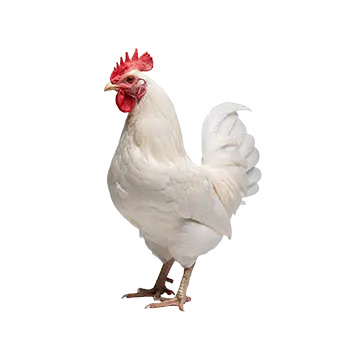

Understanding Creeper Genetics

No aspect of Japanese Bantam breeding is more important, or more frequently misunderstood, than the genetics of the creeper gene that produces the breed's defining short legs. The creeper gene, designated Cp, is an autosomal incompletely dominant allele that, in a single copy, shortens the long bones of the legs to produce the desired breed phenotype. A bird carrying one copy of the creeper gene and one copy of the normal allele, genotype Cp/cp+, displays the characteristic short-legged appearance that the breed standard demands. A bird carrying two copies of the normal allele, genotype cp+/cp+, develops legs of normal length and is considered off-type for the breed even though it is genetically a Japanese Bantam in every other respect.

The critical complication arises when two copies of the creeper gene are present. The homozygous creeper genotype, Cp/Cp, is lethal. Embryos that inherit two copies of the allele fail to develop normally and die during incubation, typically around the third to fourth day of embryonic development. This means that any mating between two short-legged Japanese Bantams, the standard pairing in most breeding programs, will produce approximately 25 percent homozygous lethal embryos, 50 percent short-legged heterozygotes, and 25 percent normal-legged birds. The practical consequence is a predictable and unavoidable reduction in hatch rate: roughly one quarter of fertile eggs from a short-legged-to-short-legged cross will not hatch.

This genetic reality is not a defect in the breeding program but an intrinsic feature of the breed's biology that breeders must understand and accept. Efforts to eliminate the lethal effect by outcrossing to normal-legged birds or other breeds would destroy the genetic distinctiveness of the Japanese Bantam. Instead, responsible breeders work within the genetic framework, pairing birds thoughtfully and managing expectations for hatch rates accordingly. Experienced breeders routinely achieve hatch rates of 60 to 75 percent of fertile eggs, which, once the lethal homozygotes are accounted for, represents near-perfect viability among the embryos that carry a viable genotype.

The normal-legged offspring produced in each generation, sometimes called clean-legged or long-legged Japanese Bantams, are valuable in their own right. These birds carry the same genetic background as their short-legged siblings in every trait except leg length, and they can be used strategically in breeding programs. A mating between a short-legged bird and a normal-legged bird produces no lethal homozygous embryos, yielding approximately 50 percent short-legged and 50 percent normal-legged offspring with a significantly higher overall hatch rate. Some breeders employ this cross when they need to maximize chick production, accepting the proportion of normal-legged offspring as a worthwhile tradeoff.

Selecting Breeding Pairs

Pair selection in Japanese Bantam breeding requires balancing the aesthetic demands of the breed standard, the genetic constraints imposed by the creeper gene, and the practical goals of the individual breeder's program. A thoughtful pairing brings together a rooster and hen whose strengths complement each other and whose faults do not overlap, while accounting for the color variety being produced and the vitality of the resulting chicks.

Begin with a clear understanding of the breed standard published by the relevant poultry association, whether the American Poultry Association, the American Bantam Association, the Poultry Club of Great Britain, or another governing body. The standard defines the ideal body type, tail carriage, leg length, comb and wattle characteristics, and plumage pattern for each recognized variety. Study the standard in detail and evaluate your breeding candidates against it with an honest eye. The most effective breeders are those who can accurately identify their birds' faults rather than only their virtues.

The rooster typically contributes more influence to the overall quality of a clutch than any single hen, simply because he mates with multiple hens while each hen produces a limited number of eggs. Select a rooster whose type, tail carriage, and leg shortness are as close to the standard as possible. Pay particular attention to the tail angle, which should be carried vertically or slightly forward over the back, and to the wing carriage, which should be low and slightly forward. A rooster with a weak or drooping tail, excessively long legs, or a narrow body will pass these faults to a significant proportion of his offspring.

Hens should be selected for strong body type, good feather condition, a well-spread upright tail, and a track record of reliable laying and fertility if known. In color varieties where the rooster and hen display different plumage patterns, such as Black-Tailed White, the breeding program may need separate rooster-breeding and hen-breeding lines to maintain the correct color in both sexes. This practice, known as double mating, is common among serious Japanese Bantam exhibitors and involves maintaining two distinct breeding pens for each variety, one optimized to produce show-quality roosters and the other optimized for show-quality hens.

Avoid breeding closely related birds in successive generations without introducing fresh genetic material. While linebreeding, the mating of related individuals that share a common outstanding ancestor, is a legitimate and widely used tool in poultry breeding, it must be practiced with discipline. Excessive inbreeding reduces genetic diversity and can fix deleterious recessive alleles that manifest as reduced vigor, lower fertility, smaller clutch sizes, or increased susceptibility to disease. A responsible program alternates linebreeding with strategic outcrosses to unrelated birds of the same variety to maintain the genetic health of the flock.

Pre-Breeding Health & Conditioning

The health and condition of both the rooster and the hens in the weeks leading up to the breeding season have a direct impact on fertility, hatch rate, and the vigor of the resulting chicks. Preparing the breeding flock is a deliberate process that begins six to eight weeks before the first eggs are expected to be collected for hatching.

Evaluate every prospective breeding bird with a thorough physical examination. Check body condition by palpating the keel bone and assessing muscle mass. A breeding bird should be in moderate to good flesh, neither underweight nor obese. Excess fat in hens can impair ovulation and reduce egg quality, while excess fat in roosters can decrease libido and reduce the mechanical efficiency of mating. Inspect the feet for bumblefoot or other lesions that could limit the rooster's ability to mount effectively. Examine the vent area for signs of parasites, prolapse, or infection, and check the respiratory system for any discharge or abnormal sounds.

Begin transitioning the breeding flock onto a higher-quality breeder ration four to six weeks before collecting hatching eggs. Breeder feeds are formulated with elevated levels of vitamins A, D, E, and the B-complex vitamins, along with increased trace minerals such as selenium, zinc, and manganese, all of which contribute to embryonic viability and chick quality. If a commercial breeder ration is not available, supplement the regular layer ration with a poultry vitamin premix and offer free-choice oyster shell for additional calcium.

Parasite control should be addressed before the breeding season begins rather than during it. Perform a fecal float to check for internal parasites and treat any infestations under veterinary guidance, observing appropriate withdrawal periods before collecting hatching eggs. Treat for external parasites as needed using products approved for poultry, and clean and treat the breeding pen itself to reduce the reservoir of parasites in the environment.

Ensure that the breeding pen provides adequate space, enrichment, and a low-stress environment. A rooster housed with two to four hens is a typical ratio for Japanese Bantams, and overcrowding or excessive competition among hens can reduce fertility through stress-related hormonal suppression. Provide clean nest boxes lined with fresh bedding, a dry dust-bathing area, and consistent access to food and water. Lighting should follow a natural or slightly supplemented photoperiod of 14 to 16 hours to stimulate reproductive activity without overstressing the birds.

Mating & Egg Production

The mechanics of mating in Japanese Bantams are influenced by the breed's physical proportions in ways that breeders must understand to maximize fertility. The extremely short legs of the rooster can make mounting and achieving cloacal contact more challenging than in standard-legged breeds. A rooster with good vigor and balance will compensate for his short stature, but breeders should be aware that fertility rates in Japanese Bantam matings may be somewhat lower than in longer-legged breeds, particularly with inexperienced or poorly conditioned roosters.

Trimming the feathers around the vent area of both the rooster and the hens, a practice known as vent trimming, can significantly improve fertility by removing the physical barrier that dense fluff and feathering can create between the cloaca of the two birds during mating. Clip the feathers in a one-inch radius around the vent with blunt-tipped scissors, taking care not to nick the skin. This simple management step often produces a noticeable improvement in the percentage of fertile eggs.

Japanese Bantam hens are moderate layers, producing approximately 75 to 120 small, cream to tinted eggs per year depending on the individual bird, the strain, and the management conditions. The eggs are proportionally small, weighing approximately 25 to 30 grams each. Begin collecting eggs for hatching approximately two weeks after the rooster has been introduced to the breeding pen to allow time for sperm storage and consistent fertility to be established. A single mating can maintain fertility in the hen for ten to fourteen days, but regular mating throughout the breeding season ensures optimal rates.

Collect hatching eggs at least twice daily to minimize exposure to temperature extremes, dirt, and bacterial contamination. Store eggs at 55 to 65 degrees Fahrenheit with the pointed end down, turning them once daily if they will be stored for more than three days before setting. Hatchability declines with storage duration, and eggs stored for more than ten days should be set with reduced expectations. Mark each egg with the date of collection and the breeding pen identifier to maintain accurate records for genetic tracking.

Candle the eggs at seven to ten days of incubation to identify fertile, developing embryos. Fertile eggs will show a visible network of blood vessels and a dark embryonic mass. Clear eggs with no development are infertile, and eggs showing a blood ring indicate early embryonic death. In Japanese Bantam clutches, expect to see a proportion of early dead embryos corresponding to the homozygous lethal creeper genotype. These eggs should be removed from the incubator to prevent contamination of the remaining clutch.

Incubation & Egg Management

Successful incubation of Japanese Bantam eggs can be accomplished using either natural brooding or artificial incubation, and each method has distinct advantages and requirements. Japanese Bantam hens are among the most dependable natural brooders in the poultry world, and their strong maternal instincts make them excellent choices for natural hatching when a broody hen is available and the breeder's goals align with this approach.

Natural incubation under a broody Japanese Bantam hen requires minimal intervention. Provide the hen with a clean, quiet nesting area away from the main flock, with fresh bedding, food, and water within easy reach. The hen will manage temperature, humidity, and egg turning instinctively. A Japanese Bantam hen can reliably cover six to ten of her own eggs, depending on her body size. She can also be used to brood eggs from other bantam breeds or even small standard breeds, as her dedication to the nest is exceptional. Check on the hen once daily to ensure she is eating and drinking, and inspect the eggs for any that have cracked or become soiled. Remove damaged eggs promptly.

Artificial incubation offers greater control over environmental variables and allows the breeder to hatch larger numbers of eggs simultaneously without relying on the availability of a broody hen. Set the incubator to 99.5 degrees Fahrenheit for a forced-air unit or 101.5 degrees for a still-air unit, measured at the top of the eggs. Maintain humidity at approximately 45 to 50 percent for the first 18 days, increasing to 65 to 70 percent for the final three days of incubation, which is known as the lockdown period. Turn the eggs a minimum of three times per day, with five or more turns preferred, stopping at day 18 when the eggs are placed in lockdown position.

The expected incubation period for Japanese Bantam eggs is 19 to 21 days, with most chicks hatching on day 20 or 21. Bantam eggs tend to hatch slightly earlier than standard-sized eggs due to their smaller mass and proportionally higher surface-area-to-volume ratio, which allows for faster metabolic exchange. Monitor the incubator closely during the pipping and hatching phase but resist the urge to assist. A chick that takes up to 24 hours from the first pip to full emergence is within the normal range. Premature assistance can cause hemorrhaging from incompletely absorbed blood vessels or umbilical tears.

After the hatch is complete, assess the results against your expectations. In a clutch from a short-legged-to-short-legged cross, a hatch rate of 60 to 75 percent of fertile eggs is normal and reflects the expected loss of homozygous lethal embryos. Hatch rates significantly below this range may indicate problems with incubation conditions, egg handling, or parental health. Keep detailed records of each set, including the number of eggs set, fertility rate at candling, hatch rate, and any observations about chick vigor. These records are the raw data that allow breeders to refine their practices over successive seasons.

Hatch Day & Beyond

Hatch day is the culmination of three weeks of preparation and monitoring, and the management decisions made in the hours and days following the hatch set the trajectory for the chicks' early lives. Whether the chicks emerge under a broody hen or in an incubator, the immediate post-hatch period demands careful attention to warmth, hydration, and the identification of any chicks that may need extra support.

Incubator-hatched chicks should be left in the hatcher until they are fully dry, fluffy, and mobile, which typically requires six to twelve hours after emergence. Moving wet chicks into a brooder prematurely exposes them to rapid heat loss. Once transferred, the brooder should be preheated to 95 to 99 degrees Fahrenheit with clean, non-slip bedding in place. Provide chick-sized waterers with marbles or pebbles to prevent drowning, and offer chick starter crumb in shallow dishes. Dip each chick's beak gently into the water upon placement to teach it where to drink.

Hen-hatched chicks benefit from the mother's warmth and guidance from the first moment. The hen will brood the chicks beneath her body, lead them to food and water, and defend them against perceived threats. The keeper's role is to ensure that the food and water provided are appropriate for chick-sized birds, that the enclosure is safe from predators and older flock members, and that all chicks are accounted for and appear vigorous. Check under the hen carefully once daily to confirm that every chick is warm, active, and shows no signs of distress.

Within the first two to three days, evaluate each chick for leg conformation. Roughly half of the chicks from a short-legged-to-short-legged mating will display the breed-typical short legs, while the other half will have normal-length legs. Both types are perfectly healthy and viable, and normal-legged chicks should receive the same quality of care as their short-legged siblings. Identify and record the leg type of each chick for your breeding records, as this information will be important when planning future pairings and allocating birds to breeding, exhibition, or companion roles.

Watch for any chicks that struggle to stand, eat, or keep up with the brood. Splayed legs, curled toes, and wry neck are developmental abnormalities that can occur in any chicken breed and are addressable if caught early. Splayed legs can be corrected with a small hobble bandage applied within the first 48 hours. Curled toes can be splinted with a small piece of cardboard taped gently to the foot. Wry neck, which may be related to nutritional deficiency or incubation irregularity, often responds to supplementation with vitamin E and selenium. Any chick that does not respond to supportive measures within a reasonable timeframe should be evaluated by a veterinarian.

Record Keeping & Ethical Considerations

Meticulous record keeping is the backbone of any successful Japanese Bantam breeding program. Without accurate, detailed records, it is impossible to track the genetic contributions of individual birds, assess the effectiveness of specific pairings, identify trends in fertility and hatchability, or make informed decisions about which birds to retain, sell, or retire from the breeding program. Records also serve as a defense against the inevitable fading of memory over multiple breeding seasons.

At a minimum, maintain records for each breeding pen that include the identities of the rooster and all hens, the dates eggs were collected, the number of eggs set in each incubation batch, candling results at day seven and day fourteen, hatch date and number of chicks hatched, leg type of each chick, and any health or conformation notes. Band or otherwise permanently identify each breeding bird and each chick retained for future use. Closed bands applied at the appropriate age provide permanent identification that cannot be removed or altered, which is valuable for exhibition records and for tracking lineage.

Ethical breeding practices are fundamental to the long-term welfare of the Japanese Bantam breed and to the individual birds produced in each generation. The lethal creeper gene creates an unavoidable reality that a percentage of embryos from standard pairings will not survive, and this fact must be approached with honesty rather than denial or minimization. Breeders should not misrepresent hatch rates to buyers, and they should educate prospective owners about the genetic basis of the breed's leg type and the implications for anyone who may wish to breed their birds in the future.

Responsibility extends to the placement of surplus birds. Not every chick produced in a breeding program will be suitable for exhibition or for further breeding. Normal-legged offspring, birds with disqualifying faults, and excess roosters all need appropriate homes. Screen potential buyers or adopters to ensure they can provide suitable care, and be transparent about each bird's qualities and limitations. Culling, the practice of humanely euthanizing birds deemed unsuitable for placement, is a deeply personal decision that each breeder must navigate according to their own values, but it should never be the default disposal method when rehoming is possible.

The broader responsibility of the Japanese Bantam breeder is to the breed itself. This ancient ornamental breed survives because dedicated individuals invest their time, resources, and expertise in producing birds that honor the breed standard while maintaining genetic health and vitality. Participate in breed clubs, attend shows, share knowledge with newcomers, and support conservation efforts that preserve rare color varieties and genetically diverse breeding populations. The breed's future depends not on any single flock but on the collective commitment of the community of breeders who value these remarkable birds.

Always consult a qualified professional before making any health-related decisions. This content is provided for informational reference only and should not replace professional guidance specific to your animal.