Japanese Bantam Species Guide - Furry Critter Network

Japanese Bantam

Quick Facts

🔬 Scientific Name
Gallus gallus domesticus
📊 Care Level
Beginner to Moderate
😊 Temperament
Friendly, Active, Confident
📏 Adult Size
8-12 inches tall, 20-26 ounces
⏱️ Lifespan
5-7 years
🔊 Noise Level
Low to Moderate
🗣️ Talking Ability
None
🍽️ Diet Type
Omnivore
🌍 Origin
Japan
🏠 Min Cage Size
4 square feet per bird minimum
📐 Size
Small

Japanese Bantam - Names & Recognition

The Japanese Bantam, scientifically classified as Gallus gallus domesticus, is known in Japan by its traditional name Chabo, which translates to "dwarf" or "bantam." This breed has been cultivated in Japan for over 350 years, where it holds cultural significance as a prized ornamental bird. In Western countries, the breed is most commonly called Japanese Bantam, though some poultry enthusiasts use the traditional Japanese name.

Historically, Japanese Bantams were also referred to as Nagasaki Bantams or Bantam de Chine, reflecting confusion about their exact origins and early importation routes. Some sources called them Japanese Roses due to their rosecomb variety, though this name is rarely used today. In various parts of Asia and among international breeders, they may be called simply Chabo or Japanese Chabo to distinguish them from other bantam breeds.

The breed comes in numerous color varieties recognized by different poultry standards worldwide. Common varieties include Black-Tailed White (the most iconic), Black-Tailed Buff, Gray, Black, Mottled, and Wheaten. Each variety has specific plumage patterns and color requirements for exhibition purposes. Some countries recognize additional color varieties not accepted elsewhere, reflecting regional breeding preferences and standards development.

There are no officially recognized subspecies, but breeders distinguish between standard Japanese Bantams and frizzle varieties where feathers curl outward. The breed is occasionally confused with other Asian bantam breeds, but the characteristic very short legs, upright posture, and large tail make true Japanese Bantams distinctive. Modern breeding has maintained the classic appearance that made these birds treasured in Japanese culture for centuries.

Japanese Bantam Physical Description

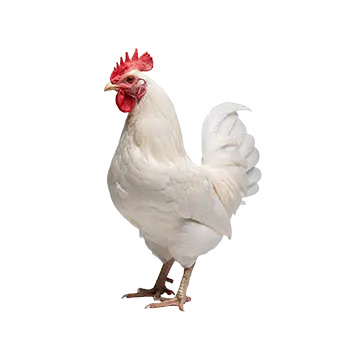
The Japanese Bantam is immediately recognizable by its distinctive proportions and elegant posture. These tiny chickens stand only eight to twelve inches tall and weigh between twenty to twenty-six ounces, with roosters slightly larger than hens. The most striking feature is the extremely short legs, approximately one-third the length of standard chicken legs, combined with a very upright, almost vertical carriage that creates a unique silhouette resembling a decorative porcelain figurine.

The body is compact and well-rounded with a broad, full breast carried high. The back is short and slopes downward toward the front, contributing to the upright stance. The wings are large relative to body size and carried low, with the tips nearly touching the ground. This wing carriage creates an elegant appearance and helps balance the bird's unusual proportions. The head is relatively large with a bright red single or rose comb depending on variety. Eyes are reddish-bay and alert, set in a rounded head with a short, strong beak.

The most dramatic feature is the tail, which is disproportionately large and carried very upright, often at a sixty to seventy degree angle or more. In roosters, the sickle feathers are long, flowing, and dramatic, creating a fountain-like display. Hens also carry impressive tails held high, though less elaborate than males. This oversized tail combined with extremely short legs creates the breed's distinctive profile that has captivated fanciers for centuries.

The legs are extremely short, barely lifting the body off the ground. This characteristic is the result of a naturally occurring dwarfing gene selectively bred to create the trademark appearance. Legs are clean (without feathers) in most varieties, though some lines show slight leg feathering. The short stance creates a waddling gait that many find endearing. Despite their abbreviated legs, Japanese Bantams are surprisingly mobile and active.

Plumage varies dramatically by variety. The Black-Tailed White is perhaps most iconic, featuring pure white body plumage with striking black tail feathers, creating a dramatic contrast. Black-Tailed Buff birds display rich golden-buff bodies with black tails. Gray varieties show complex barring patterns throughout. Mottled birds feature white-tipped feathers creating a spangled appearance. Wheaten varieties display natural gold and brown colorations. Each variety has specific standard requirements regarding color distribution and intensity.

Sexual dimorphism is clear. Roosters develop larger combs, longer hackle and saddle feathers, and spectacular tail sickles that may sweep elegantly to one side. Hens are rounder in body shape with shorter tail feathers, though still carried impressively upright. Males typically exhibit more confident postures and more saturated colors. Chicks are adorable with notably short legs visible from hatching, making them appear as tiny puffballs on stumpy legs.

Affection Level
Japanese Bantams are friendly and personable chickens that enjoy human interaction. They often seek attention from their keepers and can become quite tame with regular handling. Many individuals develop strong bonds with their owners, approaching eagerly for interaction and treats. Their confident nature makes them charming companions.
Sociability
These bantams are social birds that enjoy flock life and interact well with other chickens. They establish peaceful social hierarchies and generally avoid excessive aggression. Japanese Bantams can be kept successfully with other bantam breeds and often hold their own despite small size, displaying surprising confidence in mixed flocks.
Vocalization
Japanese Bantams are relatively quiet chickens with soft voices befitting their small size. Hens produce gentle clucks and moderate egg songs. Roosters crow regularly but their small size results in higher-pitched, quieter crows than standard breeds, making them more suitable for residential areas with noise considerations.
Intelligence
These bantams show typical chicken intelligence with good memory and learning ability. They recognize their keepers, learn routines quickly, and navigate their environment competently. Japanese Bantams are observant birds that respond well to training and display individual personalities and problem-solving abilities within their capabilities.
Exercise Needs
Japanese Bantams are moderately active chickens that enjoy foraging and exploring. Their short legs limit ranging distance but they remain busy within their territory. They benefit from outdoor access for natural behaviors including dust bathing and bug hunting. Small yards provide adequate exercise for these compact birds.
Maintenance Level
These bantams are relatively low-maintenance chickens requiring standard care. Their small size means less feed consumption and smaller housing requirements. The clean-legged varieties need minimal special attention. Their hardy nature and adaptability make them straightforward to keep for beginners, requiring basic coop maintenance and daily care routines.
Trainability
Japanese Bantams are reasonably trainable with consistent positive reinforcement. They learn to come when called, especially for treats. Their confident, friendly nature makes them responsive to gentle training methods. They adapt well to routines and can learn basic behaviors, making them enjoyable interactive pets.
Independence
These bantams show moderate independence, content to forage and interact with their flock while also appreciating human companionship. They can entertain themselves with natural behaviors but enjoy keeper interaction. Japanese Bantams balance self-sufficiency with sociability, making them adaptable to various keeping styles from hands-off to highly interactive.

Natural Habitat & Range

Like all domestic chickens, Japanese Bantams descend from the Red Junglefowl (Gallus gallus) native to Southeast Asian forests. However, the distinctive Japanese Bantam as we know it today was developed through selective breeding in Japan, likely beginning in the seventeenth century. The exact origin remains somewhat disputed, with theories suggesting development from bantam chickens imported from Southeast Asia, possibly through Dutch or Chinese trading vessels that regularly visited Japanese ports.

Historically, these bantams were kept by Japanese nobility and wealthy merchants as ornamental pets rather than production animals. They were particularly popular during the Edo period (1603-1868) when keeping ornamental animals became fashionable among the upper classes. Japanese Bantams were housed in elaborate cages or allowed to wander gardens, appreciated for their aesthetic qualities and entertaining behavior. They became living art pieces, carefully bred to achieve the most elegant proportions and beautiful plumage patterns.

The breed was exported from Japan to Europe in the mid-1800s, where it quickly gained popularity among poultry fanciers. British and Dutch breeders were particularly taken with the breed's unique appearance and began their own breeding programs. Japanese Bantams reached North America in the late nineteenth century, becoming established in American poultry collections by the early 1900s. The breed was admitted to the American Poultry Association's Standard of Perfection in 1914.

Today, Japanese Bantams are found worldwide wherever ornamental chickens are kept. They are popular exhibition birds at poultry shows across Europe, North America, Asia, and Australia. While they originated in Japan's temperate climate, careful management has allowed them to adapt to various climates from cool northern regions to warm subtropical areas, though they require protection from extremes in both directions due to their small size.

In their modern domestic setting, Japanese Bantams live in backyard coops, specialized breeding facilities, and exhibition pens rather than any natural habitat. They are completely dependent on human care and management. The breed has no wild populations and could not survive independently. Their extremely short legs, while creating their distinctive appearance, would be disadvantageous in natural settings where mobility is essential for foraging and predator avoidance.

The conservation status of Japanese Bantams is stable within the domestic poultry world. They remain popular with hobby breeders and exhibition poultry enthusiasts, ensuring continued breeding programs. However, finding quality breeding stock that meets breed standards can be challenging, as the short-legged gene must be carefully managed. Reputable breeders work to maintain the breed's health while preserving its unique characteristics. Various poultry preservation organizations include Japanese Bantams in their efforts to maintain genetic diversity in heritage chicken breeds.

Temperament

Japanese Bantams possess delightful, confident temperaments that belie their diminutive size. These personable birds are notably friendly toward humans, often approaching their keepers with bold curiosity rather than fear. They seem unaware of their small stature, carrying themselves with dignified confidence. Hand-raised individuals typically become quite tame, enjoying interaction and readily accepting gentle handling. Their engaging personalities make them popular not just for their appearance but for their charming behavioral characteristics.

Despite their small size, Japanese Bantams are not timid. They display surprising boldness and self-assurance, often holding their own in mixed flocks with larger birds. While not aggressive, they defend their position in the pecking order confidently. Roosters perform their protective duties seriously, watching for threats and herding their hens. They are less likely to show human-directed aggression than many standard breed roosters, making them suitable for families, though all roosters should be respected during breeding season.

These bantams are active and energetic during daylight hours. They spend time foraging industriously, scratching for insects and seeds with evident enthusiasm. Their short legs don't prevent them from covering ground, though they move with a distinctive waddling gait. They enjoy dust bathing, preening, and all typical chicken behaviors. Despite limited flying ability due to their proportions, they may flutter to low perches or hop onto obstacles, showing determination to navigate their environment.

Socially, Japanese Bantams are flock-oriented birds that enjoy the company of other chickens. They establish clear but generally peaceful hierarchies within their groups. While occasional disputes occur as in any chicken flock, Japanese Bantams typically avoid excessive aggression. They do well in single-breed flocks or mixed with other gentle bantam breeds. In mixed flocks with standard-sized chickens, providing multiple feed and water stations ensures these smaller birds get their fair share.

Hens are variable in broodiness, with some lines showing strong maternal instincts while others rarely go broody. Those that do become broody are dedicated mothers, sitting faithfully on eggs and caring protectively for their chicks. The tiny hens can successfully raise several chicks, though supervision is wise to ensure chicks don't become chilled or encounter hazards. Some breeders maintain broody Japanese Bantam hens specifically for hatching and raising eggs from various bantam breeds.

Communication includes the typical range of chicken vocalizations but in miniature. Content birds cluck softly while foraging. Hens produce egg songs after laying, announcing their accomplishment to the flock. These songs are generally quieter and shorter than those of larger breeds, though still distinctive. Alarm calls alert the flock to potential threats. Roosters crow throughout the day, with their small size resulting in higher-pitched, less penetrating crows suitable for residential settings.

Japanese Bantams adapt well to various keeping arrangements. They can thrive in confined runs if given adequate space and enrichment, or free-range in secure yards where they explore enthusiastically within their limited range. Their adaptability and pleasant temperament make them suitable for urban chicken keeping, suburban backyards, and rural farms alike. They tolerate handling well, making them good subjects for children learning chicken care, though their small size requires gentle treatment. Overall, Japanese Bantams combine striking appearance with winning personality, creating devoted fans among those who keep them.

Care Requirements

Japanese Bantams require appropriate housing that accommodates their unique proportions while protecting them from predators and weather extremes. A minimum of four square feet of interior coop space per bird is recommended, though their small size means a modest coop can house several birds comfortably. For a small flock of four to six bantams, a coop of twenty-five square feet provides ample room. Good ventilation is essential, particularly given their low ground clearance, but drafts must be prevented as these small birds are vulnerable to respiratory issues.

Bedding should be clean, dry, and not excessively deep. Pine shavings or hemp bedding works well, providing comfortable substrate that doesn't impede their short-legged mobility. Bedding depth of two to three inches is adequate, as very deep litter can make navigation difficult. Frequent spot-cleaning removes droppings and moisture, with complete bedding changes weekly or bi-weekly depending on flock size. Wet or dirty bedding is particularly problematic for Japanese Bantams given their low clearance, potentially leading to dirty plumage and health issues.

Roosting bars should be provided at appropriate heights. Low roosts placed six to twelve inches from the ground allow these poor fliers to access sleeping perches comfortably. Roosts should be one to two inches wide, allowing good grip. Some Japanese Bantams prefer sleeping on the floor, particularly heavily built exhibition birds, so providing both roosts and floor sleeping areas accommodates individual preferences. Nest boxes for laying hens should be bantam-sized, approximately eight by ten inches, with one box per three hens.

Outdoor space is important for Japanese Bantam welfare. A minimum of eight to ten square feet of outdoor run space per bird is recommended, with larger areas or free-range access ideal. The run should include both sun and shade as these small birds heat and cool quickly. Ground substrate should be dry and manageable. Grass, sand, or fine wood chips work well. Deep mud or heavy ground cover can impede their mobility. Some keepers provide elevated pathways or platforms giving bantams dry routes during wet weather.

Fencing must be secure and appropriate for tiny birds. Standard chicken wire or welded wire fencing works for runs, though smaller gauge (half-inch hardware cloth) better protects against small predators like rats and snakes that could harm bantams or steal eggs. Fencing should be at least four feet high, though these poor fliers rarely clear three-foot fences. Overhead netting protects from aerial predators. The coop itself must be predator-proof with secure latches, no gaps larger than quarter-inch, and hardware cloth over all ventilation openings.

Weather protection requires special attention for Japanese Bantams. They are cold-hardy relative to their size but need dry, draft-free housing in winter. Their single combs can suffer frostbite in extreme cold, particularly on roosters with larger combs. Applying petroleum jelly to combs provides some protection. Heated waterers prevent drinking water from freezing. The coop should never require supplemental heating in most climates if properly insulated and draft-free, though extreme northern conditions may warrant heating.

Heat management is crucial in warm weather. Japanese Bantams can overheat quickly due to their small body size and limited ability to dissipate heat. Multiple shade structures, good ventilation, access to cool ground for lying on, and several water sources help them thermoregulate. Shallow water pans for wading provide relief during extreme heat. Monitoring for heat stress symptoms (panting, wing drooping, lethargy) is essential during hot weather. Fans in coops may be beneficial in hot climates.

Enrichment additions enhance Japanese Bantam welfare. Low stumps or blocks provide elevated perching spots. Hanging treats like cabbage or greens offer entertainment. Shallow dust bathing areas with fine sand or diatomaceous earth allow natural grooming behavior. Scattered treats encourage foraging. These active, curious birds appreciate variety and novel objects to investigate.

Special considerations include ensuring water and feed containers are appropriately sized and positioned. Standard-height chicken feeders and waterers may be too tall for Japanese Bantams. Use bantam-specific equipment or adjust heights so that water and feed are easily accessible. Their short legs mean they cannot reach as high as standard chickens. With housing tailored to their unique needs, Japanese Bantams thrive in backyard settings, rewarding keepers with years of beauty and enjoyment.

Feeding & Nutrition

Japanese Bantams have straightforward nutritional needs similar to other chickens, though portions must be adjusted for their small size. These tiny birds consume significantly less feed than standard chickens, making them economical to maintain. Proper nutrition is essential for maintaining health, supporting egg production in hens, and preventing obesity which can be problematic in these compact birds.

The foundation of diet should be high-quality commercial poultry feed appropriate for life stage. Chicks require chick starter containing 18-20% protein from hatch to eight weeks, supporting rapid growth and development. Grower feed with 16-18% protein is appropriate from eight weeks to laying age (approximately eighteen to twenty-two weeks for Japanese Bantams). Adult laying hens benefit from layer feed containing 16-18% protein plus supplemental calcium (3-4%) for eggshell formation. Non-laying adults and roosters can be maintained on grower or maintenance feeds with lower calcium.

Portion control is important for Japanese Bantams due to their small size and tendency toward plumpness. An adult Japanese Bantam typically consumes approximately one-eighth to one-quarter cup of feed daily, though this varies with activity level, season, and individual metabolism. Many keepers provide free-choice feeding, but monitoring body condition is essential. Overweight Japanese Bantams face health problems including reproductive issues, reduced mobility (already limited by their short legs), and shortened lifespan. Birds should have well-rounded bodies without excess abdominal fat.

Vegetables and greens should comprise 10-15% of diet. Japanese Bantams enjoy leafy greens including lettuce, kale, cabbage, and spinach. Vegetables such as peas, corn, squash, carrots, and cucumbers provide nutrition and enrichment. Given their small beaks and appetites, vegetables should be chopped into appropriately sized pieces. Fresh grass clippings from pesticide-free lawns can be offered. These additions provide vitamins, minerals, and behavioral enrichment.

Protein supplementation beyond commercial feed includes insects that Japanese Bantams eagerly hunt. Mealworms, black soldier fly larvae, and crickets are excellent treats providing natural protein. Birds with outdoor access will forage for bugs enthusiastically. Scrambled eggs can be offered occasionally, particularly during molting when protein needs increase. These treats should be sized appropriately for small beaks.

Foods to avoid include anything moldy or spoiled, which can cause severe illness or death. Avocado is toxic to all chickens. Chocolate, coffee, and caffeinated items are harmful. Raw or dried beans must be cooked thoroughly before offering. Onions and garlic in large quantities can cause anemia. Very salty or sugary foods should be avoided. Appropriate table scraps in small amounts are acceptable, but the bulk of diet should be balanced poultry feed.

Grit is essential for proper digestion. Insoluble grit (granite grit or small stones) helps grind food in the gizzard, particularly important for birds eating whole grains or with outdoor foraging access. Soluble grit in the form of crushed oyster shell provides supplemental calcium crucial for laying hens producing eggshells. Both should be available free-choice in separate containers. Given their small size, Japanese Bantams benefit from finely crushed grit appropriate to their scale.

Fresh, clean water must be available at all times. Despite small size, chickens drink frequently throughout the day. Water consumption increases during hot weather and while laying eggs. Waterers must be at appropriate heights for Japanese Bantams to access comfortably. Their short legs mean standard chicken waterers may be too tall. Specialized bantam waterers or adjusted heights ensure easy access. Water should be changed daily to prevent bacterial growth, algae, and contamination.

Treats including scratch grains (mixed whole grains) should be limited to no more than 10% of total diet. While chickens love treats, excessive amounts dilute balanced nutrition from complete feed. Scratch can be scattered for foraging enrichment, encouraging natural scratching behavior. Some keepers adjust treat quantities during winter, offering slightly more scratch grains for additional calories during cold weather. With balanced nutrition, appropriate portions, and dietary variety, Japanese Bantams maintain optimal health, beautiful plumage, and appropriate body condition throughout their lives.

Japanese Bantam Health & Lifespan

Japanese Bantams are generally hardy chickens when provided appropriate care, though their unique characteristics present specific health considerations. With good management, these bantams typically live five to seven years, though some individuals may reach eight to ten years in excellent conditions. Their small size and short legs require keepers to understand particular vulnerabilities. Respiratory infections including infectious bronchitis, mycoplasma, and coryza can affect Japanese Bantams as they do all chickens, particularly in poorly ventilated or overcrowded conditions. Marek's disease, a viral condition, can be prevented through vaccination of day-old chicks. Coccidiosis commonly affects young chickens, requiring clean conditions and prompt treatment if symptoms appear. Bumblefoot, bacterial foot pad infections, can occur especially given their low stance bringing them close to ground contamination. External parasites including mites, lice, and fleas require regular monitoring and treatment. Internal parasites such as roundworms, cecal worms, and gapeworm necessitate periodic deworming protocols. Vent gleet, a fungal condition, may affect stressed or malnourished birds.

Regular veterinary checkups with poultry-experienced veterinarians help maintain flock health. Annual wellness exams identify problems early and allow discussion of preventive care strategies. Proper diet and nutrition with balanced poultry feed appropriate for their size and life stage prevents deficiencies and supports immune function. Environmental enrichment including dust bathing areas, appropriate perches, and foraging opportunities maintains both mental and physical health. Cage cleanliness through regular coop cleaning, fresh bedding, and excellent ventilation prevents disease transmission. UV lighting through outdoor access supports vitamin D synthesis essential for calcium metabolism and bone strength. Fresh, clean water must always be available, with containers at appropriate heights for their short stature. Predator protection is absolutely critical for these small, vulnerable chickens. Secure housing with proper latches and construction prevents attacks that would devastate a flock. Even non-predatory stress from nearby predators compromises immune function. Quarantine procedures for new birds prevent introducing diseases to established flocks. With attentive care addressing their specific needs, Japanese Bantams remain healthy and delightful throughout their lives.

Common Health Issues

  • Their small size and short legs require keepers to understand particular vulnerabilities.\n\nRespiratory infections including infectious bronchitis - Mycoplasma, and coryza can affect Japanese Bantams as they do all chickens, particularly in poorly ventilated or overcrowded conditions.

Preventive Care & Health Monitoring

  • Egg binding occasionally affects small laying hens - Particularly those with calcium deficiency.\n\nRegular veterinary checkups with poultry-experienced veterinarians help maintain flock health.
  • Annual wellness exams identify problems early and allow discussion of preventive care strategies. - Annual wellness exams identify problems early and allow discussion of preventive care strategies.
  • Proper diet and nutrition with balanced poultry feed appropriate for their size and life stage prevents deficiencies and supports immune function. - Proper diet and nutrition with balanced poultry feed appropriate for their size and life stage prevents deficiencies and supports immune function.
  • Environmental enrichment including dust bathing areas - Appropriate perches, and foraging opportunities maintains both mental and physical health.
  • Cage cleanliness through regular coop cleaning - Fresh bedding, and excellent ventilation prevents disease transmission.
  • UV lighting through outdoor access supports vitamin D synthesis essential for calcium metabolism and bone strength. - UV lighting through outdoor access supports vitamin D synthesis essential for calcium metabolism and bone strength.

Training & Vocalization

Japanese Bantams are reasonably trainable chickens that respond well to consistent, patient training using positive reinforcement techniques. While they lack the cognitive complexity of parrots, these intelligent birds learn routines, recognize individuals, and respond to simple cues, particularly when food motivation is involved. Their bold, confident temperament makes them excellent subjects for basic chicken training.

Recall training teaches Japanese Bantams to come when called. Establish a consistent call (such as a specific whistle, words, or shaking a treat container) and immediately reward with high-value treats like mealworms when birds respond. Practice several times daily in short sessions. Most Japanese Bantams learn reliable recall within one to two weeks. This practical skill helps gather free-range birds at dusk or during emergencies, and their eagerness for treats makes training straightforward.

Target training using a stick or colored object teaches chickens to follow or touch a target. Hold the target near the chicken and reward when they investigate. Gradually require them to move toward or touch the target before rewarding. This foundational skill facilitates more complex behaviors and makes birds easier to guide during health checks or photography. Japanese Bantams' curious nature makes them responsive to target training.

Handling training creates chickens comfortable being picked up and held. Begin during chick stage if possible, though adult birds can learn with patience. Regular, brief handling sessions paired with treats help chickens accept being held. Approach calmly, pick up gently but securely, hold briefly while offering treats, and gradually extend duration. Many Japanese Bantams become so comfortable with handling they'll perch on shoulders or sit in laps. This training is invaluable for routine health examinations and nail trimming.

Clicker training applies to chickens as well as other animals. The clicker precisely marks desired behavior, followed immediately by reward. Chickens quickly learn click equals treat, allowing shaping of behaviors. Japanese Bantams can learn to step onto scales, enter carriers, navigate obstacles, or perform simple tricks through clicker training. Their intelligence and food motivation make them surprisingly capable students.

Socialization is important for developing confident, friendly Japanese Bantams. Regular positive interactions with humans, particularly during young age, create well-adjusted adults. Exposure to children, various people, sounds, and environments prevents fearfulness. Well-socialized birds adapt better to new situations and handle routine changes with less stress.

Routine training capitalizes on chickens' natural schedule learning. Consistent feeding times, lockup procedures, and daily patterns teach birds to anticipate and cooperate with management. Most Japanese Bantams quickly learn to return to their coop at dusk if training begins early and is reinforced with evening treats. Establishing predictable routines reduces stress and makes flock management easier.

Vocalization in Japanese Bantams is typical of chickens but scaled to their size. Hens produce soft clucks during daily activities. Content foraging birds emit melodic clucking. The egg song occurs after laying, a series of repetitive clucks announcing accomplishment. Japanese Bantam hens sing more quietly and briefly than many breeds due to their small size. This vocalization may last thirty seconds to two minutes and sometimes prompts other hens to join.

Alarm calls are distinctive loud clucks or squawks alerting the flock to danger. These occur when chickens spot predators, threatening animals, or unusual disturbances. Alarm calls trigger defensive responses in flock mates, with birds seeking cover or preparing to flee. Different calls may indicate aerial versus ground threats, demonstrating the sophistication of chicken communication.

Roosters produce several characteristic vocalizations. Crowing occurs multiple times daily, primarily at dawn but throughout daylight hours. Japanese Bantam roosters crow with higher-pitched, shorter calls than standard breeds. While distinctive and regular, their crows are quieter and less penetrating, making them more suitable for residential settings where noise might concern neighbors. Volume varies by individual, with some roosters notably quieter than others.

Roosters also produce tidbitting calls, soft clucking with repeated ground pecking, inviting hens to food sources. This charming behavior demonstrates roosters' social role. During mating, roosters make specific vocalizations signaling intentions. Contented roosters emit soft murmurs audible at close range. Roosters separated from their flock call loudly seeking reunion.

Overall noise levels make Japanese Bantams suitable for urban and suburban chicken keeping. While not silent, their vocalizations are purposeful and relatively quiet compared to many breeds. Hens without roosters are particularly quiet, producing only gentle clucks and brief egg songs. Even with roosters, their small voices create less disturbance than standard breeds, making Japanese Bantams excellent choices for residential poultry keeping where noise consideration is important.

Children & Other Pets

Japanese Bantams make excellent chickens for families with children, combining manageable size with friendly temperament. Their confident, personable nature combined with small stature creates chickens that children find approachable and easy to handle. However, their tiny size also means they require gentle treatment and careful supervision to prevent accidental injury. These bantams can teach children responsibility and animal care while providing entertaining, rewarding companionship.

Children aged six and older can actively participate in Japanese Bantam care with appropriate supervision. Age-appropriate tasks include collecting eggs (these tiny eggs are particularly exciting for children), filling small feeders and waterers, helping with coop cleaning, and spending time interacting with the birds. These responsibilities teach commitment, routine, and empathy while building confidence. Japanese Bantams' friendly nature encourages positive interactions, though children must understand these are living creatures requiring gentle respect.

Proper handling technique is essential given Japanese Bantams' small, delicate size. Children should be taught to approach slowly and calmly without sudden movements. Chickens should be picked up securely, with one hand supporting the body under the breast and the other hand controlling the wings. Hold chickens close to the body at sitting height where dropping distance is minimal. Never chase, grab roughly, or squeeze these fragile birds. Supervision ensures children handle chickens appropriately.

Hand-raising chicks provides wonderful learning experiences, though adult guidance is crucial. Children can help with brooder maintenance, temperature monitoring, and gentle socialization under supervision. This creates extraordinarily tame adults while teaching children about animal development and care requirements. However, chicks are extremely fragile and require adult oversight. Strict hand washing after handling chickens or cleaning equipment is essential, as chickens can carry salmonella even while appearing healthy.

Supervision requirements depend on child age and maturity. Young children (under six) should always be supervised during chicken interactions. Elementary-aged children can handle daily tasks with occasional supervision. Teenagers often manage complete care independently. Establishing clear rules about handling, hand washing, and emergency procedures ensures everyone's safety.

Regarding other poultry, Japanese Bantams generally coexist well with other bantam breeds in appropriately sized flocks. They can be integrated into mixed bantam flocks with Silkies, Cochins, Sebrights, and other gentle breeds. However, their small size makes them vulnerable to bullying by larger, more aggressive chickens. Mixed flocks with standard-sized birds require careful management, ensuring multiple feeding stations so small birds get adequate nutrition. Japanese Bantams' confident demeanor helps them hold their own, but size differences should be considered.

With dogs, careful assessment is necessary. Some dogs have strong prey drives making them incompatible with chickens regardless of training. However, many dogs learn to coexist peacefully with chickens, particularly if raised around them or of naturally gentle breeds. Initial introductions should be controlled with dogs leashed and chickens protected. Watch for predatory behaviors including stalking, intense focus, whining, or attempts to chase. Even trustworthy dogs require supervision with chickens, as instincts can override training.

Cats typically pose minimal threat to adult Japanese Bantams due to the chickens' size and assertiveness, though chicks are vulnerable. Most cats quickly learn chickens are not prey, especially after experiencing a rooster's warning or a peck. However, outdoor cats may harass chickens causing stress. Monitoring interactions ensures safety for all animals. Japanese Bantams' boldness often surprises cats expecting timid prey.

Small pets including rabbits and guinea pigs should be housed separately from chickens despite potential proximity in backyard settings. Different species have incompatible needs and disease transmission risks. Chickens may peck at smaller animals if allowed direct contact. However, they can share outdoor spaces during supervised periods without issues.

With proper introductions, appropriate supervision, and respect for each species' needs, Japanese Bantams integrate wonderfully into family life. Their compact size, friendly disposition, and charming appearance make them beloved family members. Many families find Japanese Bantams ideal for teaching children animal responsibility, providing manageable care requirements with rewarding interactions. These delightful bantams offer years of enjoyment, from daily egg collecting to simply watching their entertaining antics in the yard.