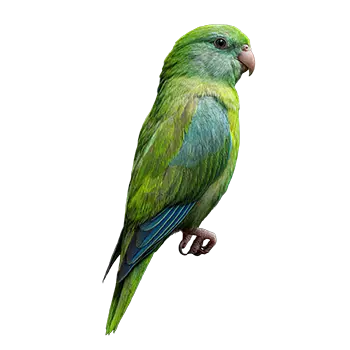

Pair Selection & Compatibility

Successful breeding of Green-Rumped Parrotlets begins long before a nest box is introduced. Pair selection is the foundation of a productive and genetically sound breeding program, and the decisions made at this stage have lasting implications for the health of the offspring, the welfare of the parent birds, and the overall quality of the breeding effort. Parrotlets are cavity nesters that form strong pair bonds in the wild, and replicating the conditions for healthy bonding in captivity requires careful attention to compatibility, genetics, and individual temperament.

Both birds should be in excellent health and of appropriate breeding age before pairing is attempted. Green-Rumped Parrotlets reach sexual maturity at approximately one year of age, but most experienced breeders recommend waiting until both birds are at least twelve to eighteen months old before allowing breeding. Younger birds, while physically capable of producing eggs, may lack the behavioral maturity to incubate and raise a clutch successfully, leading to abandoned eggs, poorly fed chicks, or aggression between the pair. Both prospective breeders should have had a complete veterinary examination including disease screening for Psittacine Beak and Feather Disease, Polyomavirus, and Chlamydiosis before being introduced.

Genetic diversity must be a priority in any responsible breeding program. Never breed siblings, parents to offspring, or birds from the same bloodline without verified pedigree distance of at least three generations. Inbreeding depression in parrotlets can manifest as reduced fertility, smaller clutch sizes, increased chick mortality, immune deficiency, and developmental abnormalities. Maintain detailed breeding records that track the lineage of every bird in your program, and participate in breeder networks that facilitate the exchange of unrelated stock.

Introducing a prospective pair requires patience and observation. House the two birds in separate cages placed side by side so they can see, hear, and interact vocally without physical contact. Observe their behavior toward each other over a period of one to two weeks. Signs of compatibility include mutual preening through the cage bars, contact calling when one bird is moved out of sight, and relaxed body language in each other's presence. Signs of incompatibility include persistent aggression, fear responses, or one bird attempting to avoid visual contact with the other. Do not place incompatible birds together in the same cage, as parrotlets are capable of inflicting serious injuries on a cage mate they reject.

Pre-Breeding Conditioning

Pre-breeding conditioning prepares both the male and female Green-Rumped Parrotlet physically and nutritionally for the demands of reproduction. The process should begin four to six weeks before nest box introduction and involves dietary enhancement, health assessment, and environmental management that together bring the pair into optimal breeding condition.

Nutritional conditioning is the most critical component. Increase the calcium content of the hen's diet significantly through provision of cuttlebone, mineral blocks, and calcium-rich vegetables such as kale, broccoli, and bok choy. Calcium demand during egg production is enormous relative to the bird's body weight, and a hen that enters laying with inadequate calcium reserves is at elevated risk for egg binding, soft-shelled eggs, and metabolic bone disease. A small amount of hard-boiled egg, finely chopped and offered two to three times per week, provides additional protein and calcium that support egg formation and subsequent chick-rearing demands.

Increase the protein content of the diet for both birds through cooked legumes, sprouted seeds, and small amounts of cooked egg. Protein supports the hen's egg production and the cock bird's increased energy expenditure as he feeds and guards the hen during incubation. Sprouted seeds are particularly valuable because the germination process converts stored fats into more bioavailable proteins and significantly increases vitamin content compared to dry seeds. Offer a variety of fresh sprouts daily, ensuring they are rinsed thoroughly and consumed within a few hours to prevent bacterial contamination.

Adjust the photoperiod to simulate the natural breeding season. Gradually increase the daily light exposure to thirteen to fourteen hours over the course of two to three weeks. Consistent photoperiod management is one of the most reliable triggers for bringing parrotlets into breeding condition. Use a timer to ensure the light schedule is consistent, as erratic lighting can confuse the birds' reproductive hormones and delay or disrupt the breeding cycle.

Conduct a pre-breeding veterinary examination for both birds. The examination should include a physical assessment of body condition, a gram stain to evaluate the health of mucosal flora, and blood work to confirm that organ function is normal and that the hen's calcium levels are adequate. Any health concerns identified during this evaluation should be fully resolved before breeding proceeds. Breeding a bird in compromised health increases the risk of complications for the hen and reduces the likelihood of a viable clutch.

Nest Box Setup & Environment

The nest box is the centerpiece of the breeding environment for Green-Rumped Parrotlets, and its selection, placement, and preparation directly influence whether the pair will accept it and breed successfully. Parrotlets are obligate cavity nesters, meaning they require an enclosed nesting space and will not breed without one. Providing an appropriate nest box signals to the pair that conditions are suitable for reproduction and triggers the final cascade of hormonal and behavioral changes that lead to egg laying.

A suitable nest box for Green-Rumped Parrotlets measures approximately six inches wide by six inches deep by eight inches tall, with an entrance hole of approximately one and a half to one and three-quarter inches in diameter. The box should be constructed from untreated hardwood or plywood of at least half-inch thickness to provide insulation and durability. Mount the nest box on the outside of the cage at the highest available point, as parrotlets instinctively prefer elevated nesting sites. An external box also makes inspection and cleaning easier without disturbing the pair inside the cage.

Line the bottom of the nest box with a two-inch layer of untreated pine shavings or aspen shavings. Avoid cedar shavings, which emit aromatic oils that can irritate the respiratory systems of both the adult birds and developing embryos. Some breeders add a shallow concave depression in the center of the bedding material to help keep eggs clustered together and prevent them from rolling to the corners where they may not receive adequate incubation heat. The hen may rearrange the bedding to her liking after inspecting the box, and this behavior is a positive sign of acceptance.

The breeding cage itself should be spacious enough to allow the pair comfortable movement, with minimum dimensions of 24 inches long by 18 inches wide by 18 inches tall. Position the cage in a quiet area of the home where the pair will not be disturbed by heavy foot traffic, loud sounds, or the presence of other pets. Breeding parrotlets can become highly territorial and may abandon eggs or chicks if they feel their nest is threatened. Maintain a consistent daily routine around the breeding area, and limit nest box inspections to brief, calm checks performed at the same time each day to minimize disruption.

Egg Laying & Incubation

Once the hen accepts the nest box, egg laying typically begins within one to three weeks. Green-Rumped Parrotlets lay an average clutch of four to seven eggs, with one egg deposited every other day until the clutch is complete. The hen may begin incubating after the first or second egg is laid, or she may wait until the clutch is nearly complete. The timing of incubation onset determines the degree of asynchronous hatching, with earlier onset producing a wider spread of chick ages within the clutch.

The incubation period for Green-Rumped Parrotlet eggs is approximately 18 to 20 days from the onset of steady incubation. The hen performs the majority of incubation duties, leaving the nest briefly several times per day to eat, drink, and relieve herself. The cock bird typically remains close to the nest box during these breaks, often feeding the hen when she emerges and standing guard at the entrance while she is inside. His attentiveness is a positive indicator of pair bond strength and breeding investment.

Candle the eggs between days seven and ten of incubation to assess fertility and embryonic development. Use a small, high-intensity candling light held against the egg in a darkened room. Fertile eggs will show a visible network of blood vessels and a developing embryo, while infertile eggs will appear clear or show only a faint shadow. Remove confirmed infertile eggs to allow the hen to concentrate her incubation efforts on viable eggs. Handle eggs with clean, dry hands and return them to the nest promptly to minimize temperature disruption.

Monitor the hen's health throughout incubation. She will lose some body condition during this period due to the physical demands of sustained sitting and reduced feeding. Ensure that high-quality food and fresh water are easily accessible close to the nest box so she can eat quickly during her brief breaks. Watch for signs of distress such as prolonged absence from the nest, visible straining, lethargy, or fluffed feathers, which could indicate egg binding or other reproductive complications requiring emergency veterinary intervention.

Maintain stable environmental conditions throughout the incubation period. Room temperature should remain between 70 and 78 degrees Fahrenheit, and humidity should be moderate. Excessive heat can kill developing embryos, while cold drafts can chill eggs during the hen's feeding breaks. Avoid moving the cage, rearranging the room, or introducing new stimuli during incubation, as disturbance-related stress is one of the most common causes of clutch abandonment in captive parrotlets.

Clutch Management & Chick Monitoring

Once the first chicks begin hatching, the breeder's role shifts from patient observer to active monitor. Hatching in Green-Rumped Parrotlets typically begins with a small pip, a crack or hole in the eggshell created by the chick using its egg tooth. The chick may take twelve to thirty-six hours to fully emerge from the shell after the initial pip. Resist the urge to assist unless the chick has made no progress for over 24 hours after pipping and appears to be in distress, in which case consult your avian veterinarian before intervening, as improper assist-hatching can cause fatal hemorrhage from premature rupture of blood vessels in the membrane.

In an asynchronously hatching clutch, the first-hatched chick may be several days older and significantly larger than the last-hatched. This size disparity can lead to feeding competition in which the smallest chick is crowded out by its older siblings and fails to receive adequate parental feeding. Check the nest box daily at a consistent time, briefly and calmly, to verify that all chicks have full crops. A chick with an empty crop while its siblings are well-fed may need to be supplementally hand-fed or pulled for full hand-rearing if the situation does not improve within a day.

Keep detailed records for each chick in the clutch. Record the hatch date, daily weight, crop fullness at inspection time, and any physical observations such as skin color, vigor, and the progression of pin feather development. Weigh chicks on a gram-scale sensitive to 0.1 grams, as the differences in daily weight gain that signal healthy growth versus decline are measured in fractions of a gram at this body size. A consistent pattern of daily weight gain indicates adequate parental care, while stagnation or loss over two or more consecutive days requires intervention.

Nest box hygiene becomes increasingly important as the chicks grow and produce more waste. Spot-clean soiled bedding during your daily inspection and replace the full bedding layer every three to four days, or more frequently if the clutch is large. Work quickly and calmly to minimize the time chicks are exposed and the degree of disturbance to the parents. Use clean, dry shavings of the same type originally placed in the box to maintain a familiar scent environment. Disinfect your hands before and after handling chicks or nest box contents to minimize the risk of introducing pathogens.

Post-Breeding Recovery

Breeding is physically taxing for both Green-Rumped Parrotlet parents, and the post-breeding recovery period is essential for restoring the birds' health and preventing the chronic depletion that results from breeding cycles that are too frequent or too closely spaced. Responsible management of the recovery period protects the long-term welfare of the breeding pair and ensures that future clutches are produced by birds in optimal condition.

Remove the nest box promptly once the chicks have been weaned or pulled for hand-rearing. Leaving the nest box in place invites the pair to begin another breeding cycle before the hen has recovered, which can lead to a dangerous cascade of calcium depletion, weight loss, and reproductive exhaustion. Most experienced parrotlet breeders recommend limiting pairs to no more than two clutches per year, with a minimum rest period of three to four months between clutches. Some breeders restrict their pairs to a single clutch annually to prioritize the long-term health of the breeding birds.

Post-breeding nutrition should focus on replenishing the reserves both birds expended during the breeding cycle. Continue offering the enriched diet provided during conditioning, including calcium-rich foods, sprouted seeds, cooked egg, and a variety of fresh vegetables. The hen in particular may have lost significant body condition during incubation and chick-rearing, and she needs several weeks of nutritional support to rebuild muscle mass, replenish calcium stores, and restore feather quality. Monitor her weight weekly and compare it to her pre-breeding baseline to track the recovery trajectory.

Reduce the photoperiod back to ten to twelve hours of light per day to suppress any residual hormonal drive. This environmental signal, combined with the removal of the nest box, helps the pair's reproductive systems return to a resting state. If the hen continues to show breeding behavior such as paper shredding, seeking dark enclosed spaces, or assuming a mating posture, further reduce the light period and remove any materials she might use as nesting substrate. Persistent hormonal behavior despite environmental management should be discussed with your avian veterinarian.

Schedule a post-breeding veterinary examination for both birds, particularly the hen. This visit should include a physical assessment of body condition, blood work to evaluate calcium levels, organ function, and overall metabolic status, and a gram stain to check for any opportunistic infections that may have taken hold during the immunosuppressive stress of breeding. Address any identified health concerns fully before considering future breeding. A hen that has not fully recovered from one breeding cycle should never be asked to produce another clutch.

Breeding Ethics & Responsibility

Breeding Green-Rumped Parrotlets carries ethical responsibilities that extend beyond the technical requirements of pair management and chick production. Every breeder has an obligation to consider the welfare of the birds in their care, the genetic health of the species in captivity, and the outcomes for the chicks they produce. Breeding should never be undertaken casually, for financial motivation alone, or without a clear plan for the placement of every chick in a responsible home.

Genetic stewardship is a core ethical obligation. Maintain detailed pedigree records for every bird in your program and share lineage information openly with other breeders and with buyers. The captive population of Green-Rumped Parrotlets, while well-established in aviculture, still benefits from conscious efforts to maintain genetic diversity and avoid the concentration of deleterious recessive traits that inbreeding produces. Participate in breeder networks and studbook programs where available, and prioritize the long-term genetic health of the captive population over short-term production goals.

The welfare of breeding birds must be prioritized over productivity. Hens should never be bred beyond their physical capacity, and any bird that shows signs of breeding-related health decline, including chronic weight loss, repeated reproductive complications, feather deterioration, or behavioral distress, should be permanently retired from the breeding program and provided with a comfortable life as a companion or aviary bird. The economic value of a producing hen does not justify compromising her health.

Screening prospective homes for chicks is a responsibility that separates ethical breeders from irresponsible ones. Before placing a chick, assess the prospective owner's knowledge of parrotlet care, their housing and veterinary plans, their understanding of the species' lifespan and social needs, and their willingness to commit to the bird for its full life. Provide new owners with a comprehensive care guide, the chick's health records, and your contact information for ongoing support. Many responsible breeders include a clause in their sales agreement requiring that the bird be returned to the breeder if the owner can no longer care for it, ensuring that no bird from their program ends up in a neglectful situation or in an overcrowded rescue.

Stay informed about the conservation status and legal regulations pertaining to Green-Rumped Parrotlets in your jurisdiction. While this species is not currently classified as threatened, regulations regarding captive breeding, sale, and transport of psittacines vary by country, state, and municipality. Ensure full compliance with all applicable laws, including banding or microchipping requirements, health certification for transport, and any permits or licenses required for breeding operations. Ethical breeding operates within the law and contributes positively to the perception of aviculture in the broader community.

Always consult a qualified professional before making any health-related decisions. This content is provided for informational reference only and should not replace professional guidance specific to your animal.